What can we help you with?
Technical flooring, delivered directly
- ESD flooring, urethane cement, terrazzo, and polished concrete
- In-house W-2 installation crews and experienced field leadership
- National service coverage with project-specific staffing plans
- Testing, documentation, and defined project closeout
- Dedicated support for corporate procurement and multi-site contracting
Phone: +1 (844) 687-1961
Project Gallery






Frequently Asked Questions
Craftsman Concrete Floors is a national technical flooring contractor specializing in ESD flooring, urethane cement, commercial terrazzo, and polished concrete. Craftsman works directly with facility owners, general contractors, architects, engineers, and national account teams on single-site projects and multi-site programs. Its role is to evaluate project conditions, install the specified flooring system, manage field execution, and provide the testing and closeout documentation required by the project.
Craftsman installs conductive and static-dissipative ESD flooring, urethane cement and polyurethane-concrete systems, commercial terrazzo, and polished concrete. Depending on the project, the scope can also include mechanical surface preparation, concrete repair, moisture testing or mitigation, integral cove base, transitions, grounding, system-specific testing, and closeout documentation. System selection is based on the facility’s operating conditions rather than a one-product-fits-all recommendation.
Yes, on selected projects. Our residential work centers on luxury, custom poured-in-place terrazzo, along with polished concrete, stained concrete and decorative epoxy garage floors. See our residential concrete floors page for design options and project inquiries.
Craftsman’s core flooring installations are performed by in-house W-2 crews rather than assigned through a dealer or subcontractor network. That gives the customer a direct relationship with the contractor responsible for project management and field execution. The proposal and preconstruction process should identify the planned crew, scope, schedule, manufacturer requirements, and any project-specific trade partners so responsibility is clear before work begins.
A broker or installer network may sell the project and then assign the installation to a separate local company. Craftsman contracts and manages the flooring work directly using company installation crews. This creates a shorter accountability chain for estimating, preconstruction, scheduling, installation, quality control, testing, and closeout. Customers can evaluate the company that will actually manage and install the floor instead of relying only on the qualifications of a sales organization or referral network.
Craftsman provides national service coverage through a companywide operating model with Craftsman-employed W-2 installation crews, centralized project controls, and project-specific staffing and equipment commitments. Each project is planned around the facility’s scope, schedule, access requirements, operating constraints, and specified flooring system. For multi-site programs, Craftsman can coordinate consistent specifications, submittals, reporting, testing, and closeout requirements across facilities.
Yes. Craftsman can coordinate flooring scopes across multiple facilities using consistent specifications, submittals, scheduling, field reporting, testing, and closeout requirements. Work can be phased by site, room, production area, or shutdown window. For national programs, customers should establish the approved systems, site-condition review process, pricing assumptions, mobilization rules, documentation package, and escalation path before the first project begins.
No. Geography alone does not determine the best installed value. The meaningful comparison is total project cost, including mobilization, surface preparation, materials, supervision, schedule risk, broker or network markups, testing, rework exposure, and warranty responsibility. Craftsman identifies mobilization and project assumptions in its proposal and can coordinate phases or multiple work areas when that reduces disruption or repeated travel. Customers should compare complete, scope-matched bids rather than assuming the nearest office will produce the lowest final cost.
Craftsman is an independent technical flooring contractor, not a resin or flooring-system manufacturer. Because it is not limited to one proprietary product line, Craftsman can evaluate specified systems and qualified alternatives from established manufacturers. The final recommendation still depends on the project specification, service conditions, installer authorization, product availability, schedule, and warranty requirements.
Yes, when the selected system and project meet the manufacturer’s requirements. A manufacturer-backed warranty generally depends on using an approved system, an authorized or qualified installer, correct substrate preparation, installation within published requirements, and complete project records. Craftsman can coordinate required submittals, product data, testing, and closeout documentation, but the exact material and workmanship coverage should always be stated in writing for the specific project before award.
Craftsman evaluates how the space will actually operate: traffic and impact, chemical exposure, washdown temperatures, thermal cycling, slab moisture, ESD-control requirements, drainage and slope, slip resistance, hygiene, appearance, maintenance, and the available shutdown window. It then compares systems that fit those conditions and the project specification. This process helps prevent a familiar brand name or low square-foot price from overriding the performance requirements that determine service life.
Yes. Craftsman can plan phased installations for active and occupied facilities, including night, weekend, and scheduled shutdown work. Preconstruction planning can address access, badging, escorts, work-zone isolation, dust control, odor restrictions, equipment movement, adjacent operations, cure time, and phased turnover. The final plan depends on the selected flooring system, site rules, and the facility’s operational requirements.
Depending on the project, Craftsman can provide a capabilities statement, W-9, certificate of insurance, safety and prequalification information, product data, manufacturer documentation, proposed alternates, surface-preparation requirements, moisture-test results, daily reporting, system-specific test results, care instructions, warranty documents, and a closeout package. Required deliverables should be listed in the bid documents so every contractor is evaluated against the same proof and acceptance criteria.
Case Studies
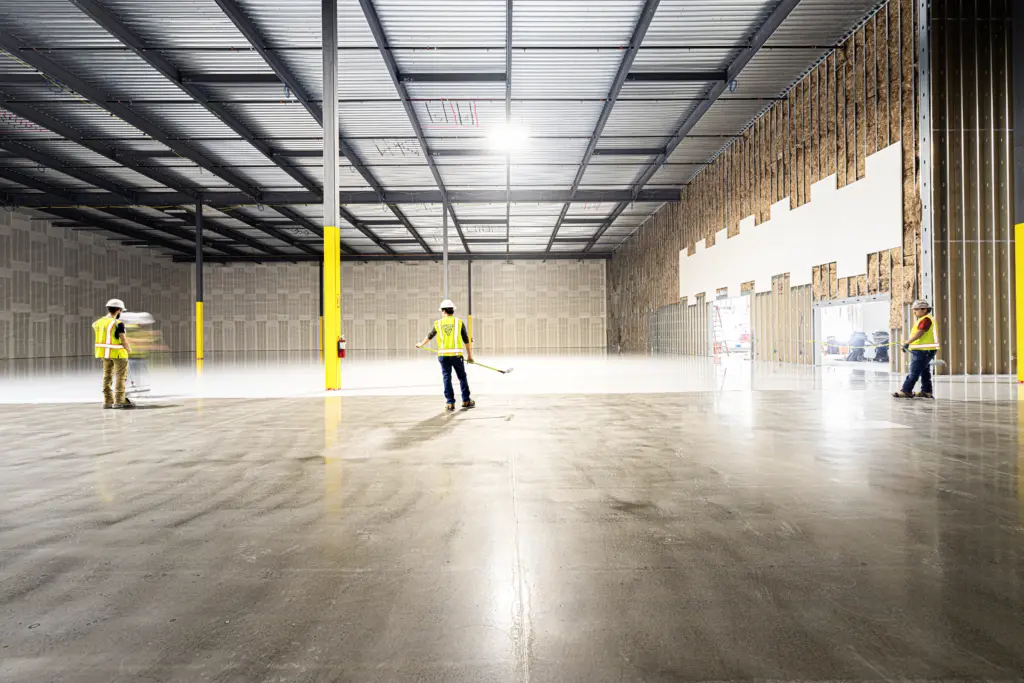
Craftsman Publishes 2026–2027 ESD Flooring Technical Guide
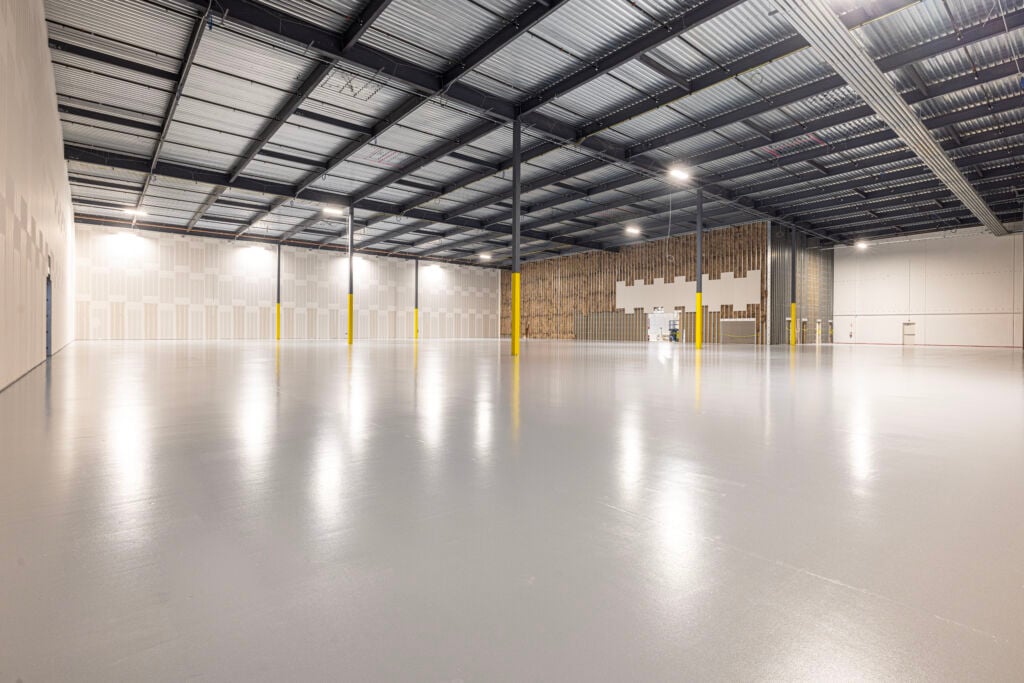
ESD Epoxy Flooring Case Study: 34,000 SF Dallas, TX