What can we help you with?
Technical flooring, delivered directly
- ESD flooring, urethane cement, terrazzo, and polished concrete
- In-house W-2 installation crews and experienced field leadership
- National service coverage with project-specific staffing plans
- Testing, documentation, and defined project closeout
- Dedicated support for corporate procurement and multi-site contracting
Phone: +1 (844) 687-1961
Residential Terrazzo
Craftsman Concrete specializes in luxury, custom poured-in-place terrazzo floors for residential projects. We are a commercial flooring contractor and take selected residential installations, working with homeowners, architects and builders on the floor’s design and construction.
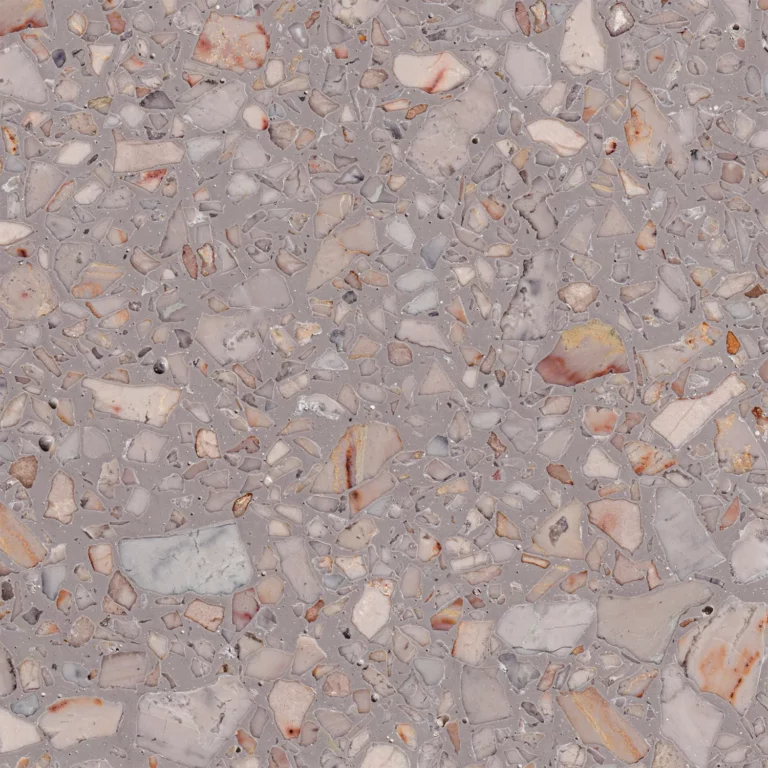
Terrazzo gives you control over the aggregate, background color and divider layout. Our 4,400-square-foot residential installation west of Fort Worth used a custom marble chip blend and light-gray binder to achieve the appearance of polished concrete with tighter color control.
A floor designed for your home
Terrazzo combines decorative aggregate with a cement or resin binder. It is poured over a prepared substrate, cured, then ground and polished to expose the aggregate.
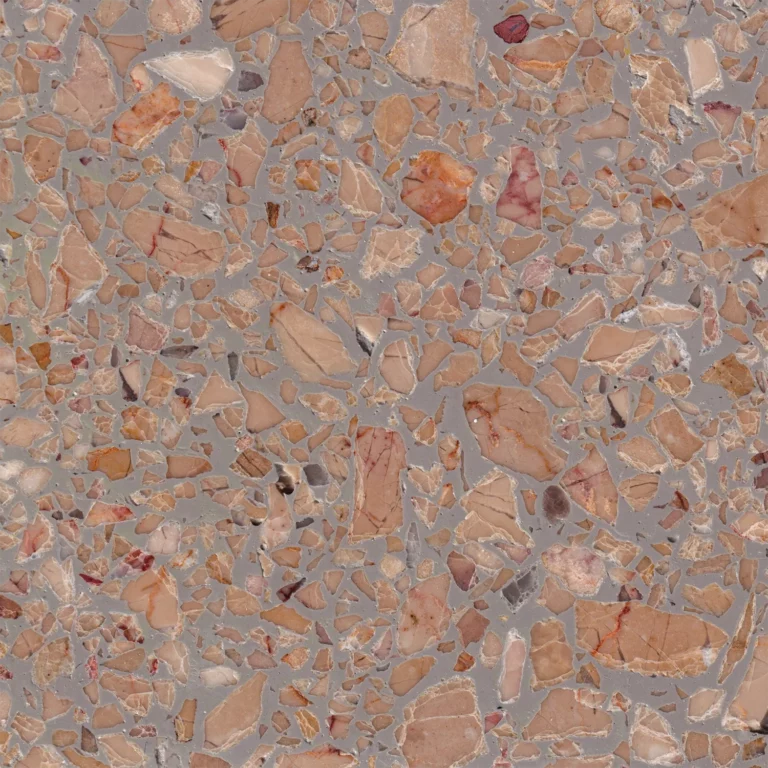
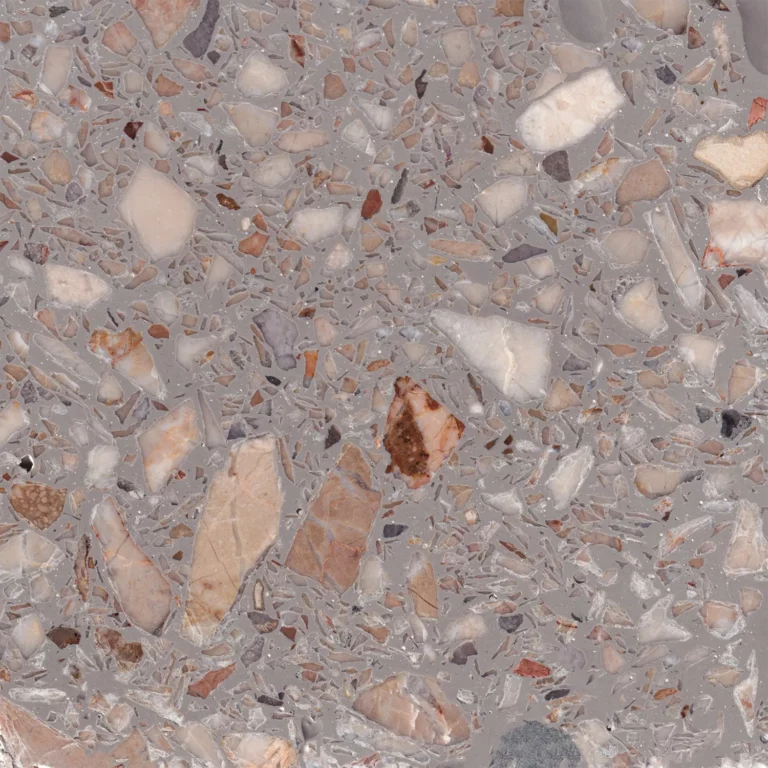
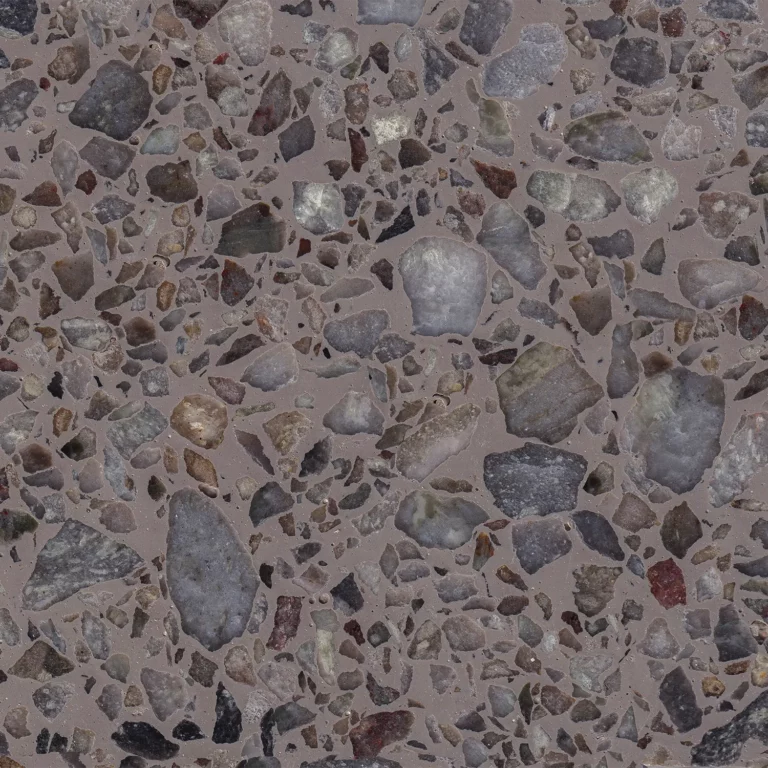
Unlike polished concrete, which reveals the materials already in the slab, terrazzo lets us select the chips and background color for your project. It can produce a quiet, consistent appearance or a more pronounced pattern with contrasting aggregates and colors.
Craftsman works through those choices with physical samples. We coordinate the aggregate blend, binder color and divider layout before installation. The approved sample establishes the appearance we are working toward; natural materials and field installation can still produce slight variation.
Planning the installation with your builder
Craftsman coordinates the terrazzo system with your builder before placement. The main decisions are floor depth, slab preparation, moisture provisions, concrete joints and the sequence of construction.
Floor depth and transitions
The selected terrazzo system determines the space needed above the slab. We review that depth alongside adjoining floors, thresholds and other finished elevations.
Slab condition
Existing concrete can support an epoxy terrazzo installation, but its flatness, cracks and surface condition determine the preparation required.
Moisture
Moisture protection is part of the floor assembly. Depending on the slab and selected system, the work may require a moisture-control membrane, a crack-suppression membrane or both. For slabs on grade, the under-slab vapor barrier also matters.
Joints and dividers
Divider strips can separate colors and form part of the design. In epoxy terrazzo, decorative strips away from concrete joints do not prevent cracking. We coordinate the divider pattern with the slab’s joints and the requirements of the selected system.
Installation and protection
Installation includes preparing the substrate, placing the terrazzo, allowing it to cure, and grinding and polishing the surface.
The schedule depends on the area, design, substrate preparation and curing requirements. We coordinate access, surrounding construction and protection with your builder so those requirements are included in the project schedule.
Caring for your terrazzo floor
Remove tracked-in grit regularly and clean spills promptly. Use the neutral-pH cleaner specified for the installed floor, at the recommended dilution. Avoid vinegar, bleach, ammonia and aggressive household cleaners.
Craftsman provides care instructions for the installed terrazzo and sealer as part of the closeout documentation. Use those instructions when selecting cleaning products or arranging maintenance. Our terrazzo cleaning and maintenance guide covers routine care in more detail.
Discuss your residential terrazzo project
Our terrazzo installation cost guide explains how floor area, aggregate selection and design complexity affect pricing.
Contact Craftsman Concrete to discuss your home, the appearance you want and the stage of construction. We can review the project with you and your builder, develop physical samples and prepare a proposal for the installation.
For other flooring options, see our residential concrete floors.
Terrazzo Floors Gallery


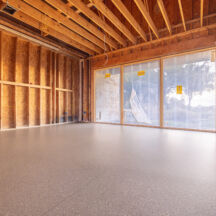
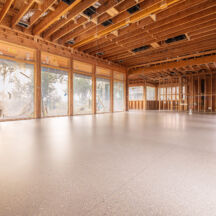






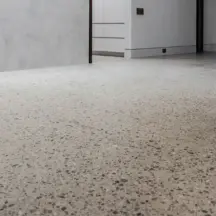

Terrazzo Samples
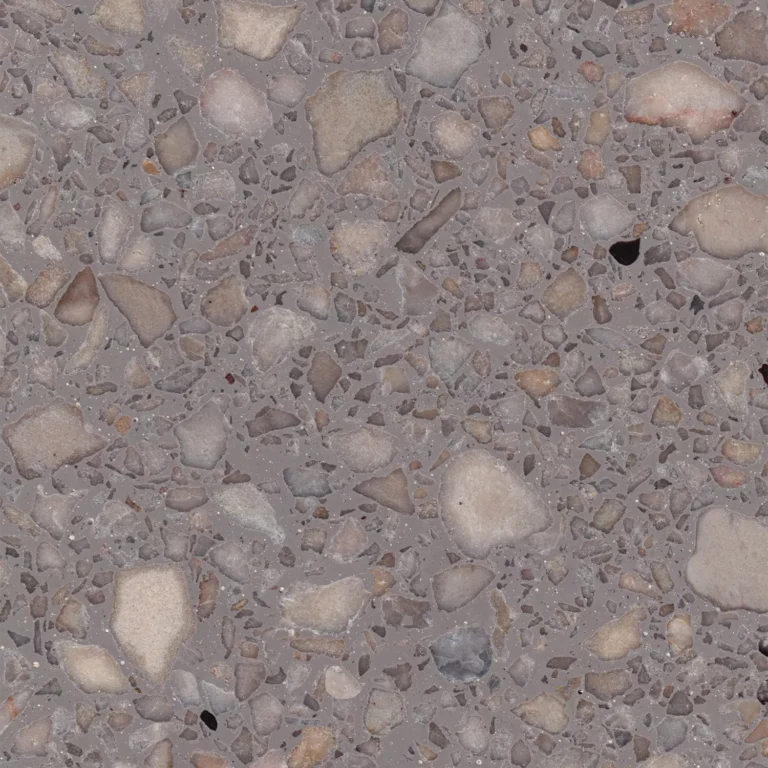
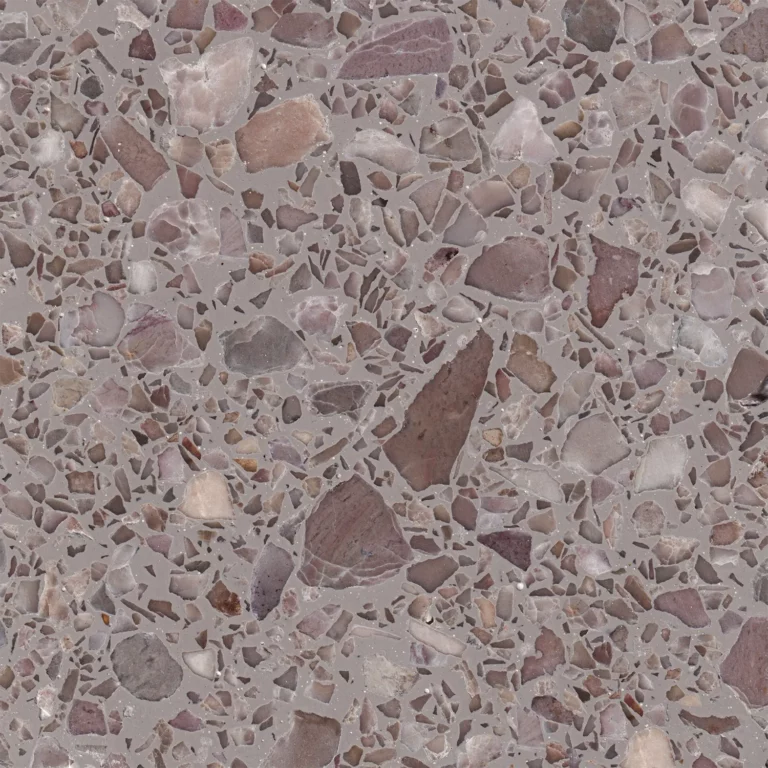
Frequently Asked Questions
Yes, an existing concrete slab can support epoxy terrazzo. Craftsman evaluates the slab’s condition, available floor depth and moisture provisions before recommending the preparation and floor assembly.
Terrazzo gives you more control over the aggregate and background color. Polished concrete exposes what is already in the slab; terrazzo uses materials selected for the finished floor. Our comparison of terrazzo versus polished concrete explains the differences in more detail.
The approved physical sample establishes the aggregate blend, color and finish. Slight variation can occur across a poured floor, particularly with natural aggregates. We review the sample with you before installation.
Decorative divider strips in epoxy terrazzo do not prevent cracks. Concrete joints, substrate preparation and any specified membranes must be addressed separately. Craftsman coordinates those requirements with the divider layout and selected system.
The schedule depends on the floor area, design, preparation and curing requirements. Craftsman reviews those details with your builder and establishes the installation sequence before work begins.
Use the neutral-pH cleaner and cleaning method identified in the closeout documentation provided by Craftsman. Remove grit regularly, wipe up spills promptly and avoid harsh household cleaners.
Case Studies

Craftsman Publishes 2026–2027 ESD Flooring Technical Guide
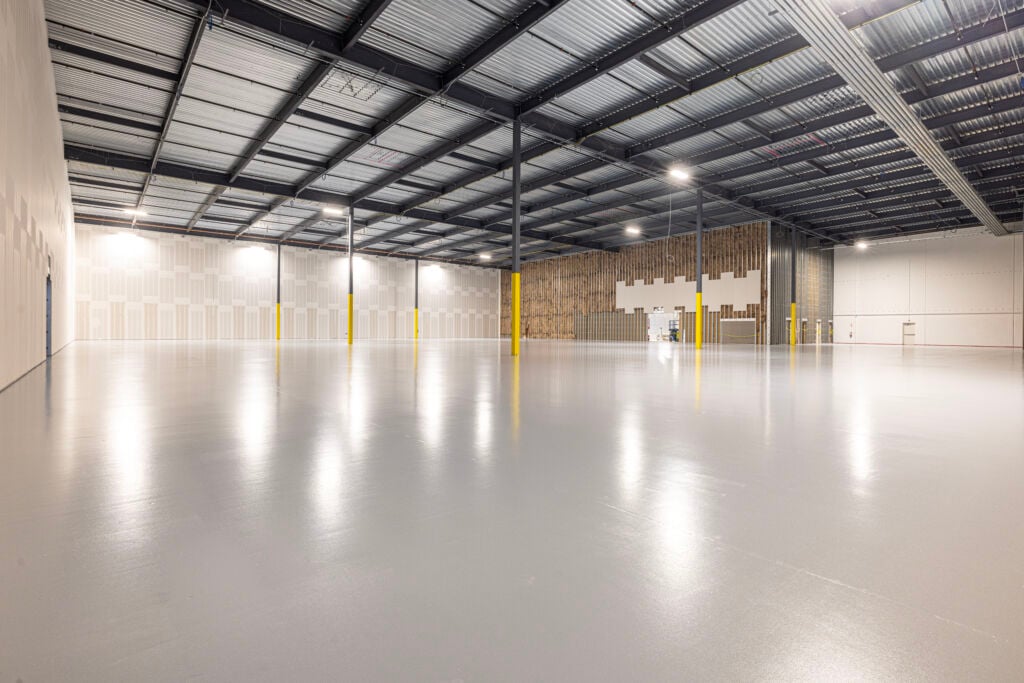
ESD Epoxy Flooring Case Study: 34,000 SF Dallas, TX