What can we help you with?
Technical flooring, delivered directly
- ESD flooring, urethane cement, terrazzo, and polished concrete
- In-house W-2 installation crews and experienced field leadership
- National service coverage with project-specific staffing plans
- Testing, documentation, and defined project closeout
- Dedicated support for corporate procurement and multi-site contracting
Phone: +1 (844) 687-1961
Commercial flooring budget guide
Craftsman has quoted thin-film epoxy with a polyurethane topcoat at approximately $3.50–$11.25 per square foot and multilayer epoxy with a polyurethane topcoat at approximately $3.25–$10.50 per square foot. These historical prices include the preparation documented in each quote; removal, repairs, moisture treatment and other separately priced work are additional.
The guide below shows pricing for these assemblies, ESD epoxy and urethane cement, together with the floor areas behind the ranges. Use it to compare the flooring scope before building a project budget.
| Budget decision | What to establish |
|---|---|
| Installed cost | System, area and included installation work. |
| Project conditions | Preparation, moisture, repairs, access and phasing. |
| System selection | Traffic, exposure, texture and specialist requirements. |
| Quoted project examples | Quoted area, assembly and preparation. |
| Proposal comparison | Inclusions, exclusions, allowances and responsibilities. |
| Craftsman project review | Site information, procurement needs and schedule. |
| Cost questions | Common questions about scope and pricing. |
1. Commercial Flooring Cost per Square Foot
These approximate ranges come from Craftsman quotes issued between 2023 and 2026. They cover the named floor assembly and its documented routine preparation. The area column shows the sizes represented in those quotes; it is not a size-based price schedule.
| Flooring assembly | Price per sq. ft. | Floor areas in quoted work | Scope behind the range |
|---|---|---|---|
| Thin-film epoxy with polyurethane topcoat | $3.50–$11.25 | 448–13,973 sq. ft. | 10-mil epoxy primer and 3-mil polyurethane finish; routine preparation. |
| Multilayer epoxy with polyurethane topcoat | $3.25–$10.50 | 700–100,000 sq. ft. | Separate primer, 12–15-mil epoxy body and 3.5–4-mil polyurethane finish; routine preparation. |
| ESD epoxy with static-dissipative polyurethane topcoat | $4.00–$9.00 | 8,290–59,570 sq. ft. | Epoxy-body assembly, grounding provisions and matched shot blasting; separate ESD testing excluded. |
| Urethane cement with decorative quartz and polyurethane topcoat | $14.00–$21.00 | 418–3,900 sq. ft. | Primer, 3/16-inch urethane-cement body, quartz broadcast and 4-mil polyurethane finish; shot blasting. |
Separately priced coating removal, repairs, moisture mitigation, coves, joints, testing and other project charges are outside these ranges. A current proposal establishes the total for your site. Small isolated areas or complex phased work can fall outside the ranges shown.
These ranges come from different projects and floor areas. They do not show the price difference between systems installed under identical conditions.
2. What Changes the Cost of Your Project
Existing coatings and concrete preparation
Craftsman reviews the existing surface before defining the preparation scope. Coating removal, contamination, cracks, spalls and uneven transitions may require different equipment, repair materials or additional work. Preparation follows the selected system’s substrate and surface-profile requirements.
Moisture evaluation and treatment
Craftsman compares moisture-test results with the selected system’s limits. Primer is always required. Where moisture treatment is required, an approved moisture-vapor-barrier primer replaces the standard primer. Any resulting scope, cost and schedule changes are agreed before application. Moisture testing and installation of the treatment are separate activities and are identified separately in the proposal.
System thickness and finish
Traffic, chemical exposure, cleaning methods and the required surface texture influence system selection. Compare the complete assembly and its manufacturer requirements. A similar color or product label does not establish equivalent performance or installation scope.
Area, access and shutdown windows
A larger uninterrupted area can spread mobilization and equipment setup across more floor space. Multiple isolated phases, restricted access or repeated closures and reopenings can change that relationship. The program must allow for preparation, coating sequence, environmental conditions and the selected system’s release-to-service requirements.
Conditions to identify before pricing
Existing floor
Coating type and condition, prior repairs, contamination and available test records.
Concrete and moisture
Assessment findings, system limits and any specified repair or treatment.
Details
Joints, terminations, coves, drains, transitions and marked areas.
Work zones
Available area per phase, equipment relocation, separation and access routes.
Operating schedule
Work hours, shutdown windows, cure conditions and reopening requirements.
Acceptance
Required checks, assigned testing, responsible reviewers and closeout records.
3. Comparing Systems for Your Facility
Standard and broadcast epoxy systems
Craftsman selects an epoxy assembly for the facility’s traffic, exposure, cleaning and appearance requirements. Aggregate, texture and topcoat are selected as part of that assembly. Craftsman selects the surface texture for the facility’s operating conditions and cleaning requirements.
ESD requirements
Where the facility requires static control, the flooring scope must address the specified electrical performance, grounding provisions and assigned testing. Keep those requirements visible when comparing proposals. Our ESD flooring cost guide covers specialist pricing and scope considerations.
Wet processing and thermal exposure
Facilities with washdown, thermal cycling or demanding process exposure may need a different resinous assembly. Urethane cement combines polyurethane, cement and aggregate; it is a distinct system category. Craftsman’s urethane cement flooring service addresses its selection and installation requirements.
4. Examples from Craftsman Flooring Quotes
These anonymous examples show the floor area, assembly and preparation behind individual prices.
| Flooring scope | Area | Quoted price per sq. ft. | Preparation and price basis |
|---|---|---|---|
| 10-mil epoxy primer with 3-mil polyurethane topcoat | 13,973 sq. ft. | $3.48 | $2.63 flooring plus $0.85 diamond preparation for the same area. |
| 10-mil epoxy primer with 3-mil polyurethane topcoat | 448 sq. ft. | $11.25 | Diamond preparation included in the floor line. |
| 3/16-inch urethane cement with quartz and polyurethane topcoat | 3,900 sq. ft. | $14.12 | Shot blasting included in the floor scope. |
The epoxy examples use the same nominal coat thicknesses but differ in area and preparation details. Their prices illustrate individual scopes; floor area alone does not explain the difference. The amounts above are quoted floor-and-preparation rates, not whole-project totals.
5. How to Compare Commercial Flooring Proposals
Match the assembly and preparation
Start with the same quantities, preparation requirements and flooring assembly. Confirm coat sequence, thickness, aggregate and finish rather than comparing two descriptions that both say “epoxy flooring.” Identify removal, repairs, moisture treatment and details separately where the bids treat them differently.
Compare the complete project cost
Review the total price alongside unit rates. Mobilization, restricted work hours, repeated phases and required testing may be separate items. Add an allowance only for work outside the base scope, so preparation or other included work is not counted twice. Facility costs such as equipment relocation or interrupted production should remain distinct from the installation price, with responsibility agreed before work begins.
Confirm acceptance and closeout
The proposal should name the assigned tests and records, their timing and the parties responsible. Manufacturer care requirements and applicable warranty terms should match the selected system and executed contract.
Commercial bid comparison
Quantities and system
Installed area, assembly, thickness, texture and detail quantities.
Included work
Preparation, removal, repairs, treatment, application and mobilization.
Allowances and exclusions
Unverified conditions, owner work and the basis for adjustments.
Schedule
Phase boundaries, work windows, protection, cure and release to service.
Verification
Required checks, test methods, acceptance criteria and responsible parties.
Commercial terms
Taxes, payment terms, change procedures and applicable warranty documents.
6. How Craftsman Prices and Delivers Your Project
One team from estimating through installation
Craftsman provides national service coverage with in-house W-2 installation crews and project-specific staffing and equipment plans. Our team coordinates estimating, contracting, scheduling and the assigned closeout requirements.
For multiple facilities, the commercial review can establish consistent specifications and reporting while keeping each site’s quantities, conditions and schedule visible. Our commercial and industrial flooring capabilities describe the delivery model and project responsibilities.
Information for a project review
- Company, project contact and facility location
- Approximate floor area and plans, if available
- Current floor condition and known problem areas
- Traffic, chemical, cleaning and static-control requirements
- Shutdown windows, phase boundaries and access restrictions
- Procurement, submittal, testing and closeout requirements
Contact Craftsman to start the review. We identify the information still needed before developing a project-specific proposal.
7. Commercial Epoxy Flooring Cost Questions
Craftsman has quoted thin-film epoxy with a polyurethane topcoat at approximately $3.50–$11.25 per square foot and multilayer epoxy with a polyurethane topcoat at approximately $3.25–$10.50 per square foot, including the preparation documented in each quote. These historical ranges cover different projects and floor areas. Separately priced removal, repairs, moisture treatment and detail work are additional.
Concrete repairs and moisture treatment are included only when the proposal identifies them as part of the priced scope. Primer is always required; where moisture treatment is needed, an approved moisture-vapor-barrier primer replaces the standard primer. Testing and installation of the treatment are separately identified activities.
Phasing can add repeated setup, protection, coordination and reopening of work areas. It can also allow a facility to maintain agreed operations during the work. Craftsman reviews the available work zones and shutdown windows before defining the installation sequence and price.
ESD flooring requires review when the facility has specified static-control requirements. Urethane cement may be appropriate for demanding washdown, thermal or process exposures. Selection follows the actual operating conditions, project specification and manufacturer requirements.
A common specification can support consistent procurement, but site conditions, quantities, access and schedules still need review. Each work order should identify its included scope and price rather than assuming every location has the same installation requirements.
Provide the facility location, approximate floor area, intended use, current floor condition and available work windows. Plans, photographs and specifications are useful when available. Craftsman identifies any further assessment or decisions needed to develop the proposal.
Case Studies
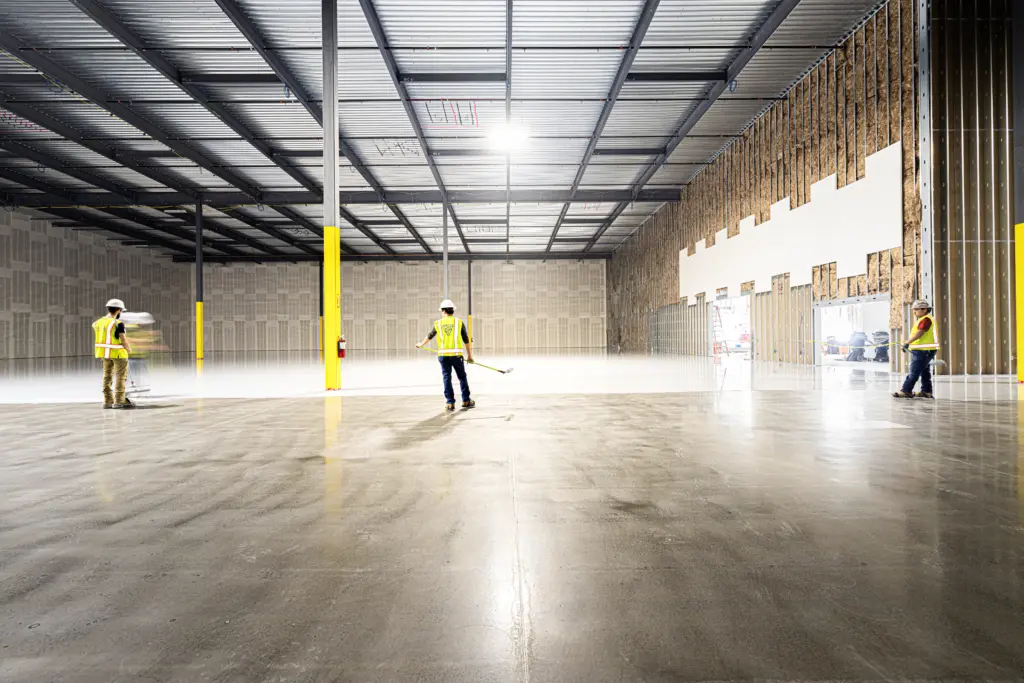
Craftsman Publishes 2026–2027 ESD Flooring Technical Guide
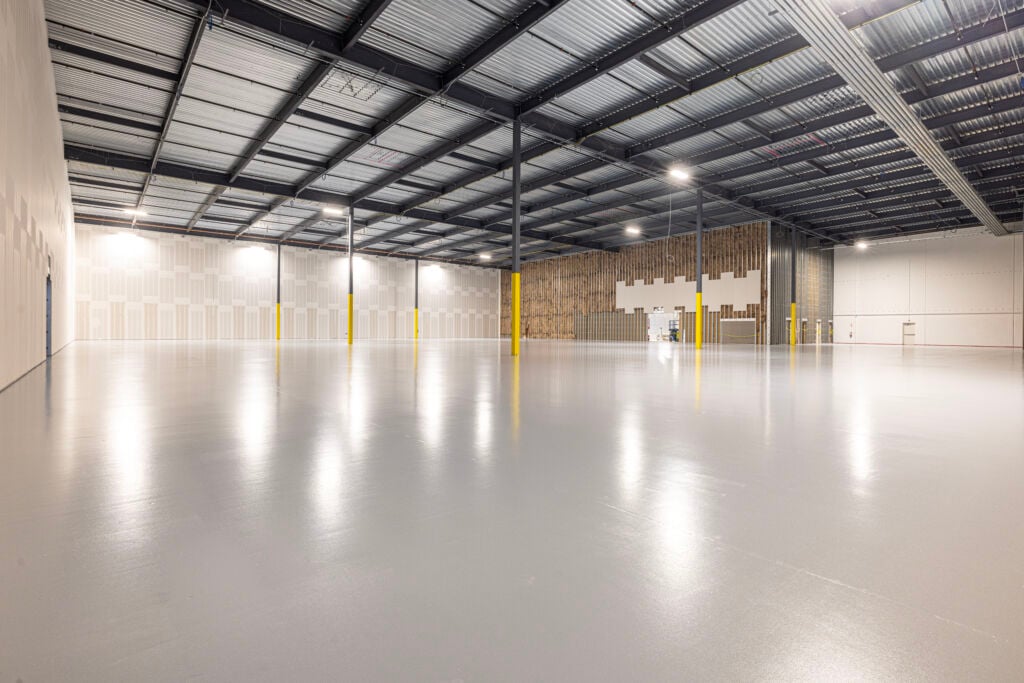
ESD Epoxy Flooring Case Study: 34,000 SF Dallas, TX