What can we help you with?
Technical flooring, delivered directly
- ESD flooring, urethane cement, terrazzo, and polished concrete
- In-house W-2 installation crews and experienced field leadership
- National service coverage with project-specific staffing plans
- Testing, documentation, and defined project closeout
- Dedicated support for corporate procurement and multi-site contracting
Phone: +1 (844) 687-1961
Our Clients




















Vacuum Earth-Path Requirements
TRGS 727 requires conductive dust-contacting parts to be grounded and dissipative parts to have an earth path through conductive parts. The dust collection container must remain grounded throughout operation, including emptying. A vacuum cleaner that cannot be grounded, or lacks a conductive connection between its nozzle and collection container, must not be used in explosion-hazardous areas or to collect combustible dusts.
These requirements come from section 5.7 of TRGS 727, the German technical rule on preventing ignition hazards from electrostatic charges, January 2016 edition corrected July 2016. The section distinguishes portable vacuum cleaners from fixed vacuum installations.
Nozzle and component earth paths
- Applies to
- Portable and fixed vacuums
Under TRGS 727’s combustible-dust equipment grounding requirements, dust-contacting parts of both portable vacuum cleaners and fixed vacuum installations must be conductive or dissipative. Conductive parts must be grounded, with conductive suction nozzles specifically identified. Every dissipative part must connect to a conductive part so that contact with earth exists.
Grounding routes and hose requirements
- Routes
- Mains cable, conductive air hose
- Hoses
- Section 6.4
A note in section 5.7 identifies the mains cable or a conductive compressed-air hose as possible grounding routes for portable vacuum cleaners.
The section also requires pipes and hoses to meet section 6.4. Those dust-transport hose requirements address the relevant hose materials and conductive components; suitability for flammable liquids alone does not establish suitability for dust transport.
Keep the collection container grounded during emptying
- Duration
- Entire operation, including emptying
The collection container must stay grounded during the entire operation, including emptying.
Grounding does not remove prohibited uses
- Section
- 5.7
Section 5.7 prohibits both portable vacuum cleaners and fixed vacuum installations from collecting solvent-containing dusts or being used where there is a risk that flammable gases will form.
Frequently Asked Questions
TRGS 727 requires conductive dust-contacting parts, particularly conductive suction nozzles, to be grounded. Dissipative dust-contacting parts must connect to conductive parts so that they have earth contact. A vacuum cleaner that cannot be grounded or lacks a conductive nozzle-to-container connection must not be used in explosion-hazardous areas or to collect combustible dusts.
Yes. TRGS 727 section 5.7 requires the dust collection container to remain grounded throughout operation, including emptying.
No. TRGS 727 section 5.7 prohibits both portable vacuum cleaners and fixed vacuum installations from collecting solvent-containing dusts or being used where flammable gases may form. A complete ground path does not lift that prohibition.
Blog
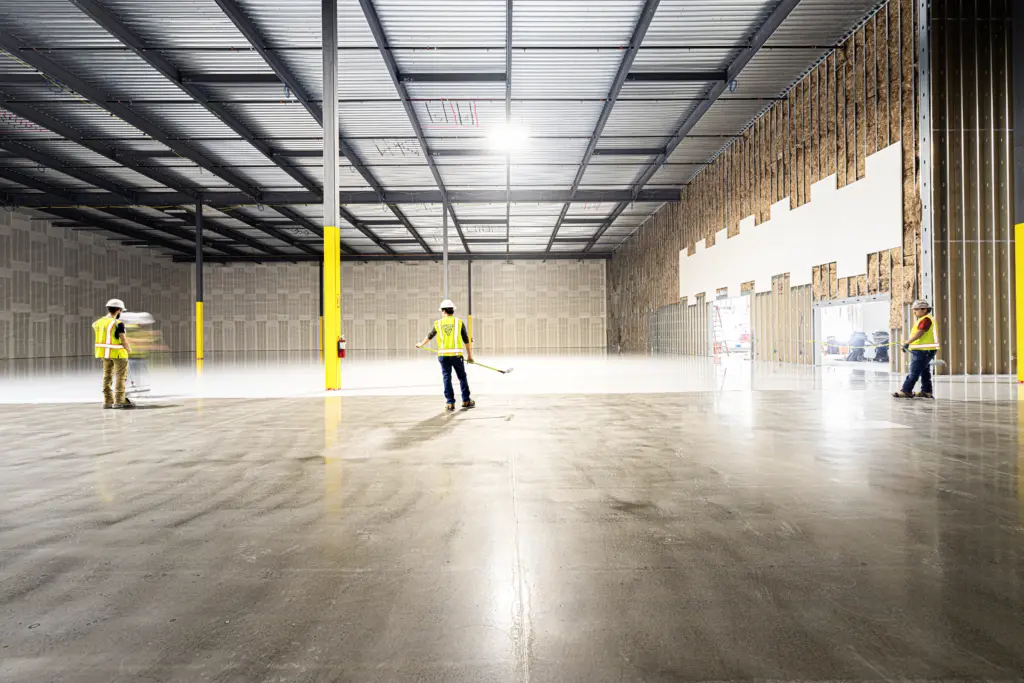
Craftsman Publishes 2026–2027 ESD Flooring Technical Guide
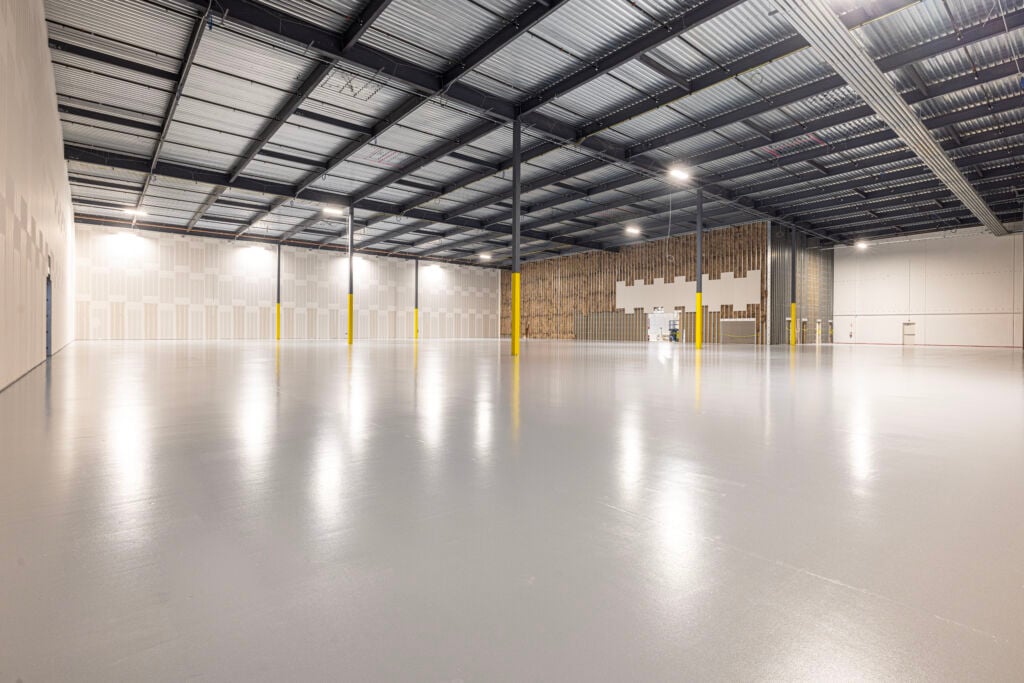
ESD Epoxy Flooring Case Study: 34,000 SF Dallas, TX