What can we help you with?
Technical flooring, delivered directly
- ESD flooring, urethane cement, terrazzo, and polished concrete
- In-house W-2 installation crews and experienced field leadership
- National service coverage with project-specific staffing plans
- Testing, documentation, and defined project closeout
- Dedicated support for corporate procurement and multi-site contracting
Phone: +1 (844) 687-1961
Compare the 10% and 15% figures correctly
Cement, supplementary cementitious materials (SCMs) and admixtures must be coordinated with the selected polishing products and the project specification. RetroPlate’s mix-design recommendations and the Ashford Formula’s warranty conditions use different limits and calculation bases. Neither establishes a universal mix recipe for polished concrete.
Our new concrete slab specification guide covers the wider coordination of mix, finishing and curing.
| Product document | Stated figure | Basis and effect |
|---|---|---|
| RetroPlate mix-design guide | If plasticizers, slag, fly ash or other products replacing portions of portland cement are used, their total volume should not exceed 10% of the portland cement volume. | Manufacturer recommendation for concrete polished with the RetroPlate system. These products should not be calcium chloride based. |
| Ashford Formula limitations | Mixes with over 15% total combined pozzolanic materials are warranted for hardening and dustproofing only. | Product warranty condition based on total cementitious material. Listed examples include fly ash, granulated blast furnace slag and silica fume. |
Ashford Formula: admixtures, color and low-carbon mixes
Curecrete recommends non-chloride admixtures for concrete treated with Ashford Formula. It identifies calcium chloride as a potential cause of heavy surface salt deposits and unpredictable effects on concrete color.
For low-carbon mixes, Curecrete calls for thorough performance testing. It says PowerPrep LC preconditioning followed by a full Ashford Formula treatment may be necessary for optimal performance. The cited instruction does not define the test method or acceptance criteria.
RetroPlate: cement and replacement-material recommendations
The RetroPlate mix-design guide recommends Type I portland cement conforming to ASTM C150 for slabs polished with its system.
The guide advises avoiding admixtures and does not recommend plasticizers, slag, fly ash or other products replacing portions of the portland cement. If those products are used, it gives the 10% limit described above.
Clarify the guide’s air-content statements
The RetroPlate guide states both:
- Air content should be 5%, determined by ASTM C173.
- Interior slabs need no added air entrainment, and it should not be added to a floor intended for polishing.
The guide does not explain how those statements are to be applied together. Obtain clarification before adopting them as the project’s air-content requirement.
Check for conflicts with performance-based project requirements
On projects governed by GSA’s P100: Facilities Standards for the Public Buildings Service, May 2024, §3.3.5, restricting concrete to Type I cement or prescribing an SCM cap conflicts with its performance-based specification requirements. Resolve that conflict before adopting manufacturer mix recommendations. Our concrete mix specification guide addresses performance requirements and product coordination in more detail.
Cement choice also affects scheduling. See when concrete is ready for polishing for the separate strength and surface-hardness considerations associated with portland-limestone cement.
Project Gallery




Frequently Asked Questions
No. RetroPlate’s recommendation compares the volume of the listed cement-replacing products with portland cement volume. Ashford Formula’s threshold concerns total combined pozzolans relative to total cementitious material; above 15%, the stated warranty covers hardening and dustproofing only.
No. Curecrete calls for performance testing and says PowerPrep LC followed by a full Ashford Formula treatment may be necessary for optimal performance. It does not make preconditioning mandatory for every low-carbon mix.
The cited guide states both a 5% air content measured by ASTM C173 and that interior slabs need no added air entrainment, which should not be added to a floor intended for polishing. It does not explain how to apply those statements together; clarification is needed before using them as a project requirement.
Polished Concrete Knowledge Center
Resource links
Performance & Safety
Design & Aesthetics
Installation Guidance
Economics & Sustainability
Maintenance & Aftercare
Comparative & Decision-Making
Blog
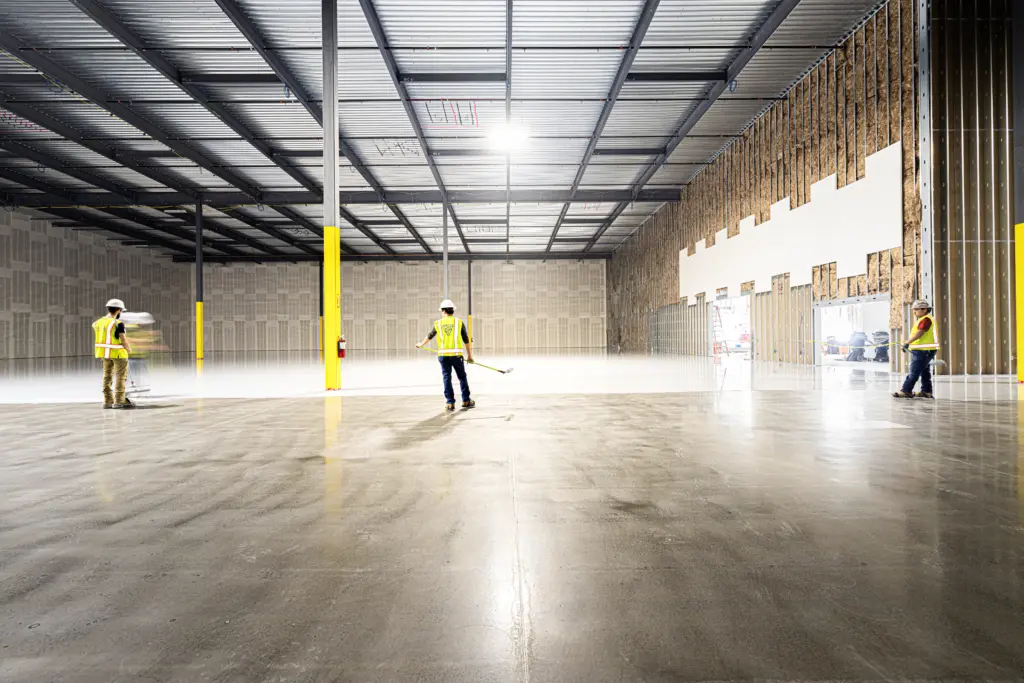
Craftsman Publishes 2026–2027 ESD Flooring Technical Guide
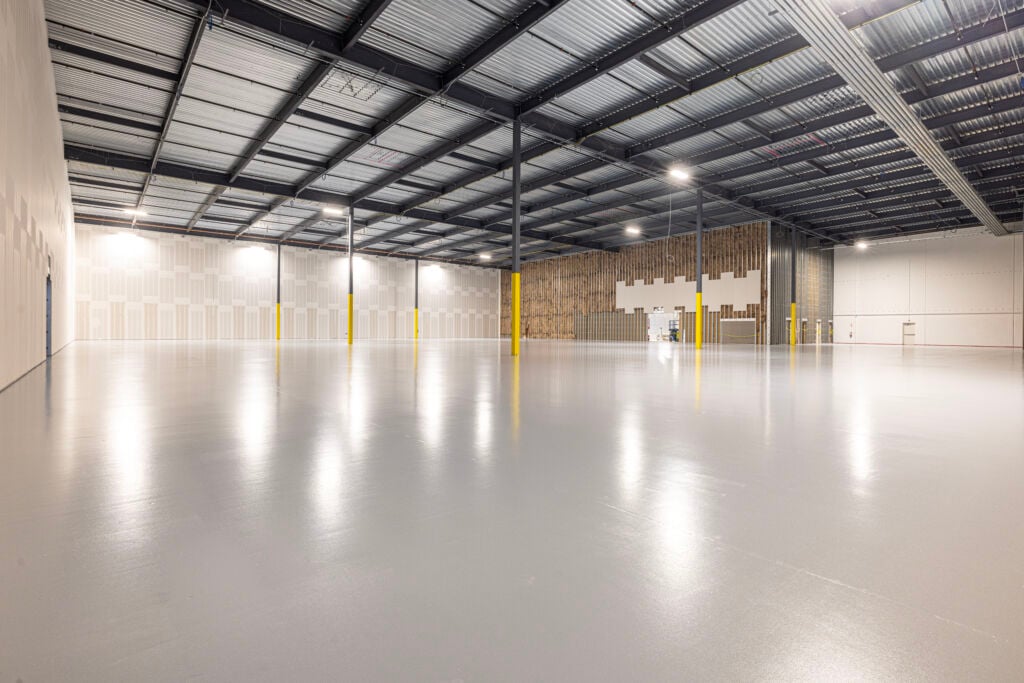
ESD Epoxy Flooring Case Study: 34,000 SF Dallas, TX