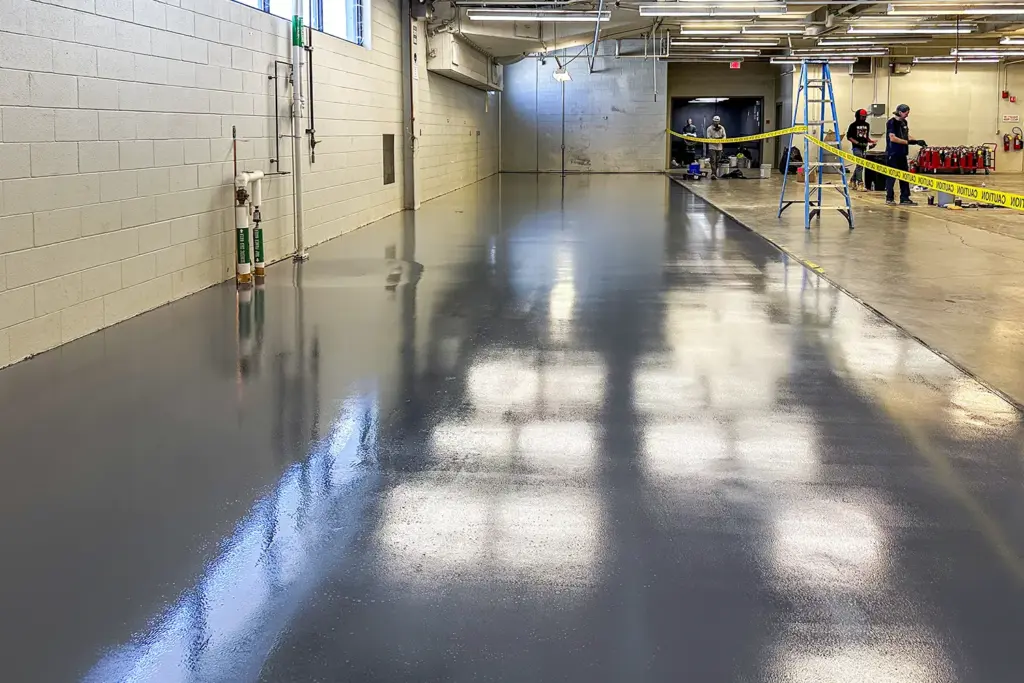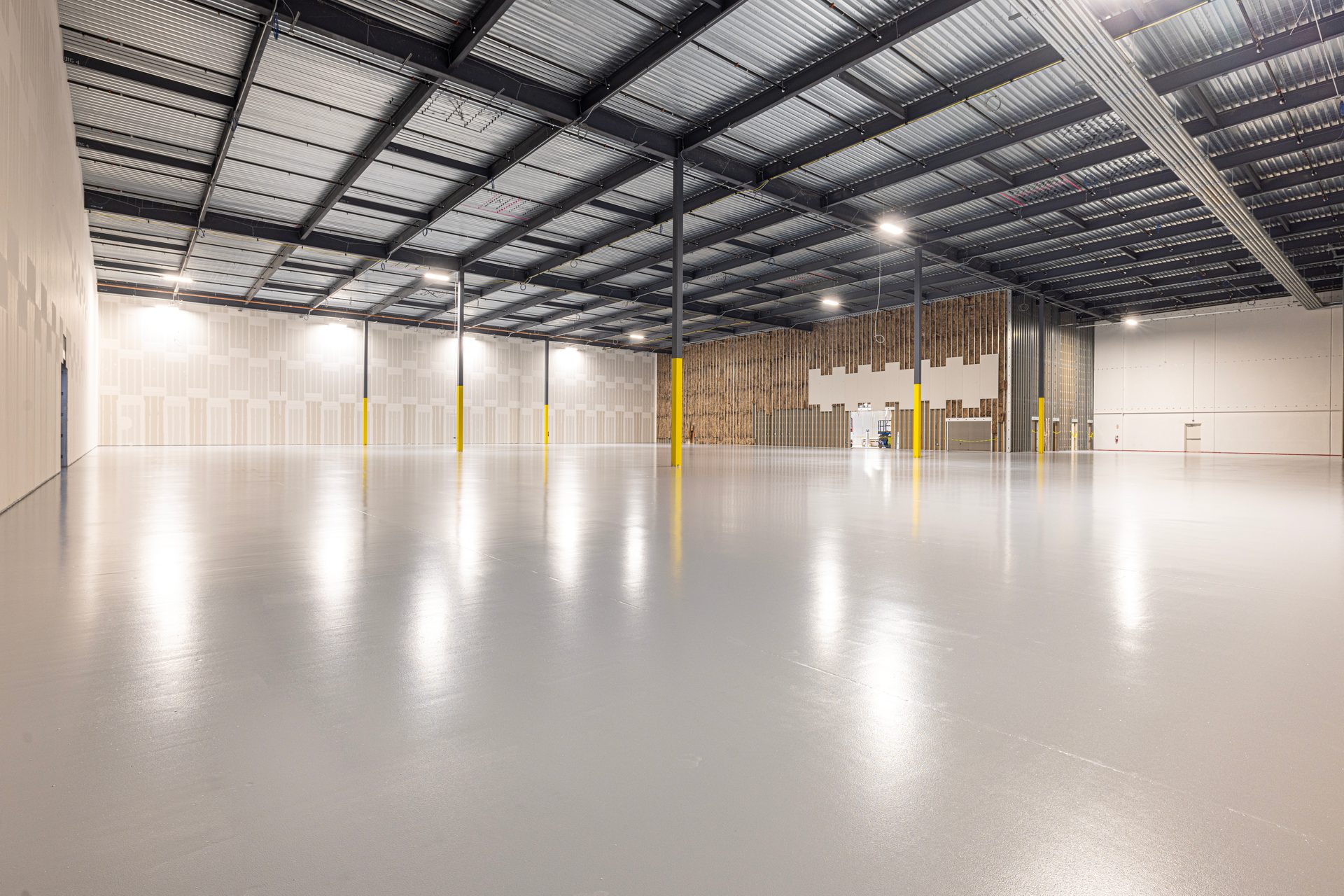
Electrostatic dissipative epoxy flooring in the 10⁶ – 10⁹ ohm resistance range — installed, tested, and ANSI/ESD S20.20 verified for electronics manufacturing, data centers, laboratories, and controlled environments. Nationwide.
- Systems: static dissipative epoxy flooring in the 10⁶ – 10⁹ ohm resistance range; conductive systems (10⁴ – 10⁶ ohm) also available for munitions and explosive environments
- When Dissipative Is Specified: electronics manufacturing, semiconductor fabs, data centers, avionics assembly, labs, cleanrooms — any environment where controlled charge dissipation protects sensitive components without grounding personnel too aggressively
- Compliance: ANSI/ESD S20.20 verification at the dissipative range; STM 7.1 point-to-point and point-to-ground resistance testing; STM 97.1 / 97.2 body voltage generation and tribocharging verification
- Installation Process: conductive primer → copper grounding grid → static dissipative epoxy build coat → topcoat; every layer resistance-verified before the next goes down
- Installation: in-house W-2 crews; experienced field leadership; nationwide mobilization from Dallas-based operations; est. 1999
- Leadership: former Fortune 500 COO; operations oversight + QA/closeout discipline
- Clients: AWS, Boeing, General Dynamics, NVIDIA, Apple, and Fortune 500 electronics and aerospace manufacturers
- Deliverables: submittals, surface prep + moisture verification, Rg/Rp-p resistance logs, body voltage test results, ANSI/ESD S20.20 closeout documentation
Phone: +1 (844) 687-1961
Static dissipative flooring is specified when a facility needs controlled electrostatic discharge — slow enough to protect sensitive electronics, but fast enough to prevent charge accumulation on personnel and equipment. The static dissipative resistance range (10⁶ – 10⁹ ohms) is the most commonly specified ESD flooring tier for electronics manufacturing, PCB assembly, data center environments, and laboratory settings. Conductive flooring (10⁴ – 10⁶ ohms) dissipates charge faster and is typically reserved for munitions, explosives, and flammable solvent environments where any static event is immediately dangerous.
Craftsman Concrete installs both static dissipative and conductive ESD epoxy flooring systems nationwide. Every installation includes ANSI/ESD S20.20 verification, STM 7.1 resistance testing, and STM 97.1 body voltage generation testing — documented and delivered as part of a complete closeout package. Whether you’re building a new electronics production line or retrofitting anti-static flooring in an existing facility, our in-house W-2 crews deliver flooring that meets your spec, passes third-party audit, and holds up under production traffic.
Our Clients




















Electrostatic Dissipative Flooring Specifications
Static dissipative flooring systems are tested and verified to multiple overlapping standards. The primary specifications governing static dissipative floor performance include ANSI/ESD S20.20 (ESD control program requirements), ANSI/ESD STM 7.1 (floor materials and footwear resistance testing), ANSI/ESD STM 97.1 (floor materials and footwear voltage testing), and ESD TR-53 (compliance verification for ESD protective equipment and materials).
A properly installed static dissipative floor measures between 1.0 x 10⁶ and 1.0 x 10⁹ ohms point-to-point and point-to-ground. Body voltage generation with appropriate ESD footwear should measure below 100 volts under STM 97.1 testing. These thresholds satisfy the requirements of IEC 61340-5-1 and ANSI/ESD S20.20 for EPA (ESD Protected Area) flooring.
Craftsman Concrete installs static dissipative flooring using two primary material systems: PIP ESD polyurethane (epoxy primer, epoxy body coat, copper grounding, and polyurethane topcoat) and Sherwin Williams Resuflor/Resutile SDS systems (conductive epoxy primer, static control epoxy body coat, and static dissipative urethane topcoat). System selection depends on your facility’s chemical exposure, traffic demands, and specification requirements.
Every static dissipative flooring installation includes complete resistance documentation: point-to-point resistance logs, point-to-ground resistance logs, body voltage generation test results, and a resistance map of the installed floor area. This documentation package satisfies TR-53 audit requirements and is delivered as part of project closeout.
Static dissipative flooring cost typically ranges from $4 to $14 per square foot installed, depending on project size and system specification. Contact us for a project-specific quote based on your square footage and ESD requirements.
Request a Proposal
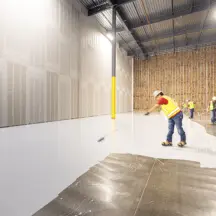
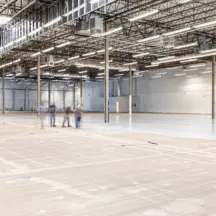
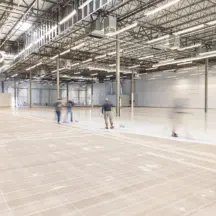
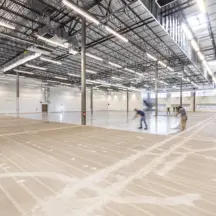
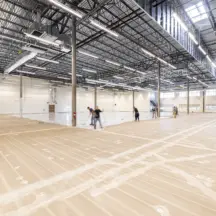
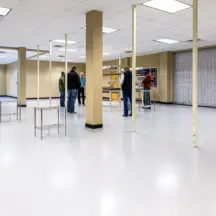
Electrostatic Dissipative Flooring Gallery




ESD Flooring Knowledge Center
Resource links
Project Delivery Framework
Facility-Specific Requirements
Compliance & Testing Standards
Capabilities
ESD Systems & Selection
Installation & Maintenance
Case Studies
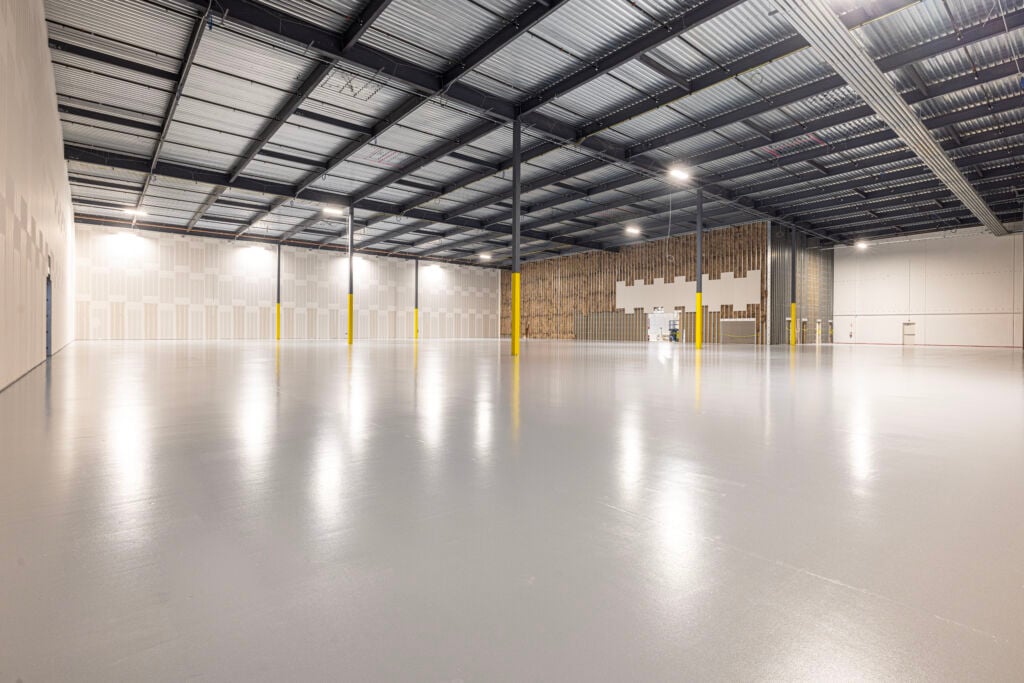
ESD Epoxy Flooring Case Study: 34,000 SF Dallas, TX
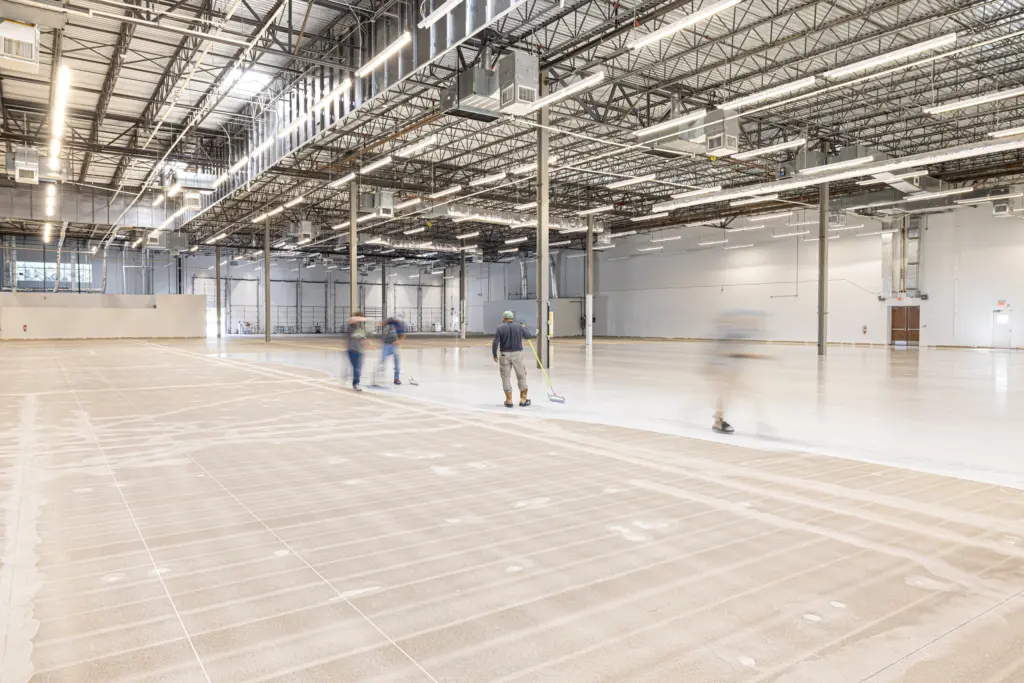
ESD Epoxy Flooring Case Study: 67,000 SF | Houston, TX