What can we help you with?
Technical flooring, delivered directly
- ESD flooring, urethane cement, terrazzo, and polished concrete
- In-house W-2 installation crews and experienced field leadership
- National service coverage with project-specific staffing plans
- Testing, documentation, and defined project closeout
- Dedicated support for corporate procurement and multi-site contracting
Phone: +1 (844) 687-1961
Gloss, DOI and Haze
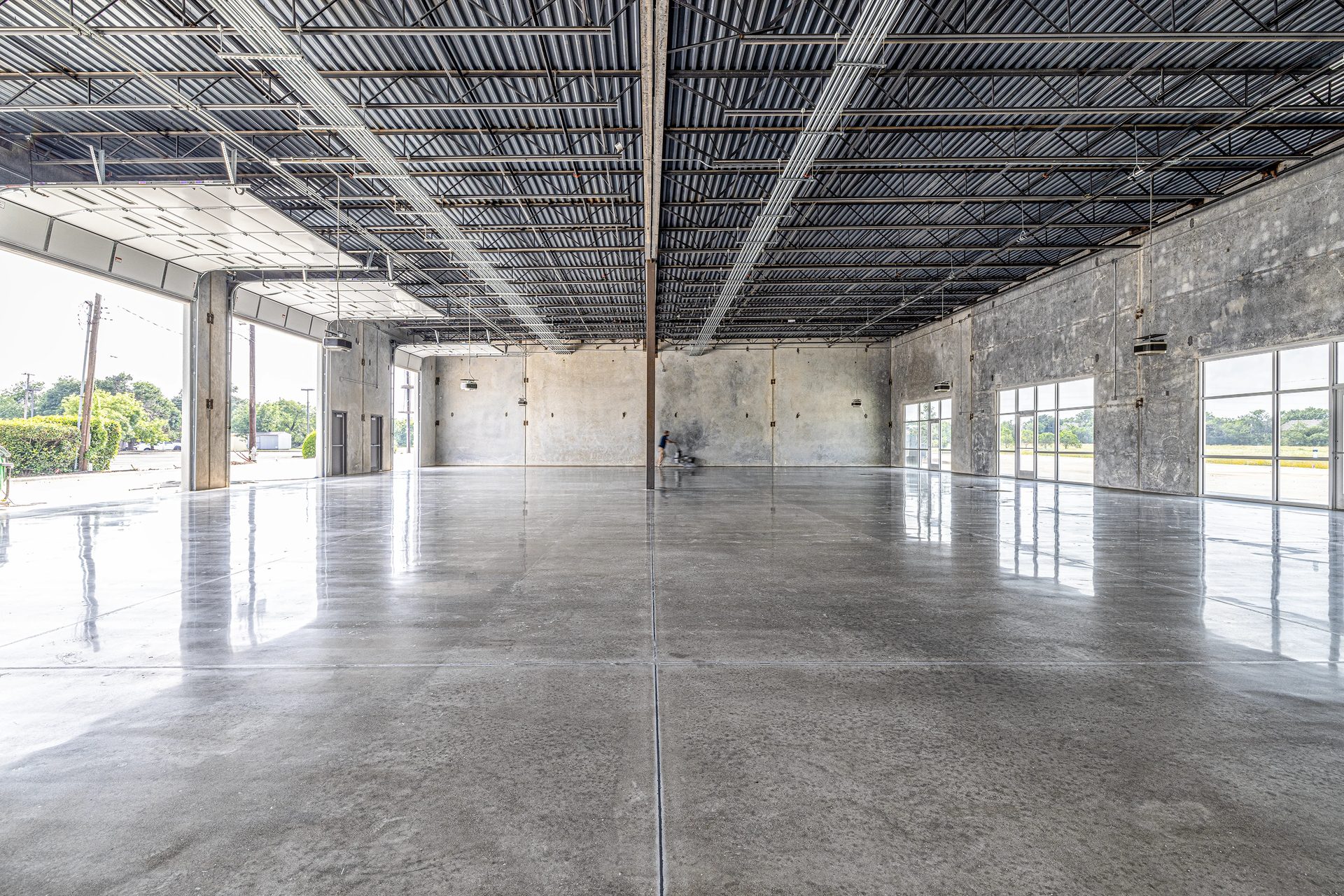
A polished concrete floor’s appearance involves more than how brightly it reflects light. Gloss describes reflected brightness, image clarity describes the sharpness of reflections, and haze describes their cloudy or milky appearance.
At Craftsman Concrete, we use an on-site sample to establish the intended finish with the project team. We review these characteristics together and coordinate the specified measurements during installation. That gives the project a clearer target than descriptions such as “shiny” or “high polish” alone.
Three measurements describe different aspects of appearance
| Measurement | What it describes | Referenced test method |
|---|---|---|
| Specular gloss | The amount of light reflected at a specified measurement angle | ASTM D523 |
| Distinctness of image, or DOI | How sharply objects appear in the reflection | ASTM D5767 |
| Haze | Cloudiness or a milky appearance in reflected images | ASTM D4039 |
These methods are referenced in ACI SPEC-310.1-20. The project’s selected specification establishes the applicable editions, criteria and measurement requirements.
Gloss: reflected brightness
A gloss measurement directs a known amount of light at the surface and measures the reflected light. The measurement angle is part of the result.
A gloss value describes reflected brightness. It does not tell us how clearly an object appears in the reflection, so we assess image clarity separately.
DOI: reflected image clarity
Distinctness of image is commonly called image clarity. It describes whether reflected objects appear blurred or sharp.
The Concrete Polishing Council describes an Image Clarity Value from 0 to 100, with 100 representing perfect distinctness of image. Higher values indicate sharper reflected images.
Haze: cloudiness in the reflection
Haze describes the cloudy or milky appearance of reflected images. A floor’s gloss reading does not replace this assessment.
The CPC appearance chart expresses haze as a Haze Index calculated from the difference between specular gloss readings at 60° and 20°. The applicable appearance specification establishes the required limit.
Understand polished concrete appearance levels
ACI SPEC-310.1-20 organizes appearance into four DOI levels:
| Level | Finish name | DOI range | Reflected appearance |
|---|---|---|---|
| 1 | Flat, or ground | 0–9 | Flat appearance |
| 2 | Satin, or honed | 10–39 | Matte appearance |
| 3 | Polished | 40–69 | Reflected objects are identifiable but not sharply defined |
| 4 | Highly polished | 70–100 | Sharp, crisp images approaching a mirror-like reflection |
These are DOI ranges, not gloss-unit values. Under the ACI specification, the selected level must also conform to the approved mockup.
Establish which appearance criteria the project uses
ACI and CPC references use similar terminology, but their numerical criteria are not identical.
| Reference | Level 4 image-clarity criterion | Haze criterion |
|---|---|---|
| ACI SPEC-310.1-20 | DOI of 70–100 | Haze Index below 12 unless otherwise specified; approved-mockup conformance also applies |
| CPC guide specification | Average Image Clarity Value of 70–100 | Average Haze Index below 10 |
| CPC Exposed/Polished Concrete Appearance Chart | Average DOI greater than 70 | Average haze below 12 |
We identify the selected reference and appearance target during planning so the sample, testing and final review use the same criteria.
Our appearance specification guide covers these reference differences in more detail.
Schedule and scope appearance testing
Appearance testing needs to be scheduled around protective treatments. The CPC guide specification and ACI SPEC-310.1-20 call for measurements before sealer or protectant application, and Craftsman coordinates that stage. Gloss, DOI and haze describe reflected appearance, not pedestrian friction or surface roughness, so where the project requires those to be evaluated, we coordinate them as separate quality checks.
Measure at the correct stage
Protective treatments are part of the installation sequence, and the appearance testing needs to be scheduled around them.
The CPC guide specification measures image clarity and haze before sealers are applied. ACI SPEC-310.1-20 requires specified gloss measurements before protectant application.
Craftsman coordinates the required testing stage before treatment proceeds. Our guide to measurements before and after protective treatment explains why the stage of the reading matters.
Keep appearance separate from traction and surface texture
Gloss, DOI and haze describe reflected appearance. They are not measurements of pedestrian friction or surface roughness, and an appearance level is not an abrasive-grit designation.
Where the project requires those other properties to be evaluated, we coordinate them as separate quality checks. Our polished concrete quality guide explains how the checks fit together, and our slip-resistance guide covers pedestrian friction.
Project Gallery







Frequently Asked Questions
Gloss measures reflected brightness at a specified angle. Image clarity, or DOI, describes how sharply objects appear in that reflection. They are separate characteristics of the polished finish.
Haze describes cloudiness or a milky appearance in reflected images. It is evaluated separately from gloss and image clarity, using the method and limit established for the project.
No. ACI SPEC-310.1-20 defines Level 4 by a DOI range of 70–100. DOI describes image clarity; gloss units describe a different measurement.
We install an on-site sample and review the intended appearance with the project team. We establish the selected finish and measurement criteria before proceeding across the full floor.
Polished Concrete Knowledge Center
Resource links
Performance & Safety
Design & Aesthetics
Installation Guidance
Economics & Sustainability
Maintenance & Aftercare
Comparative & Decision-Making
Blog

Craftsman Publishes 2026–2027 ESD Flooring Technical Guide
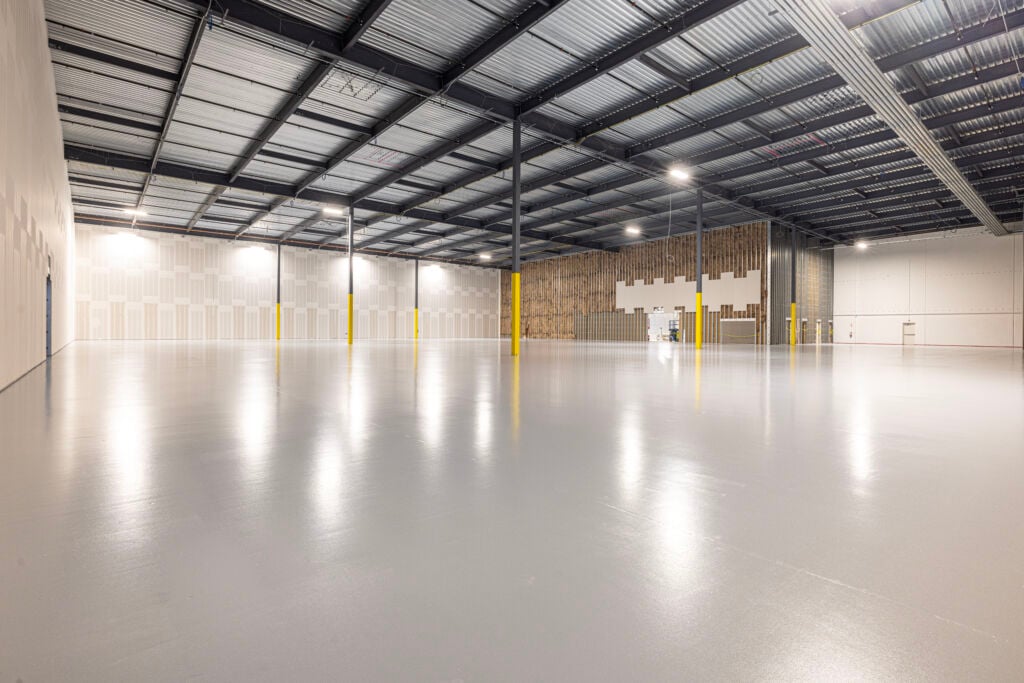
ESD Epoxy Flooring Case Study: 34,000 SF Dallas, TX