What can we help you with?
Technical flooring, delivered directly
- ESD flooring, urethane cement, terrazzo, and polished concrete
- In-house W-2 installation crews and experienced field leadership
- National service coverage with project-specific staffing plans
- Testing, documentation, and defined project closeout
- Dedicated support for corporate procurement and multi-site contracting
Phone: +1 (844) 687-1961
Joint-Filling Timing
Joint filling is scheduled around the building’s operating conditions, expected slab shrinkage, and the grinding steps still to come. Filling before conditions stabilize can leave more movement to occur afterward; filling too late can disturb the polished finish.
At Craftsman Concrete Floors, we coordinate these decisions with the selected filler’s requirements as part of our repair and joint-filling process.
Plan joint filling around shrinkage and polishing
Activating the building’s HVAC can accelerate slab shortening and widen joints, so we consider building conditions when planning joint filling. The installation point also depends on the selected filler and the tools that follow it. Filling after polishing must be planned around the finished surface, and the Concrete Polishing Council recommends addressing later-separation arrangements in the construction documents.
Account for HVAC conditions and slab shrinkage
Bringing a building into its normal heated or air-conditioned environment can change how quickly the slab dries and shrinks. The Concrete Polishing Council notes that activating the building’s HVAC system can accelerate slab shortening.
As concrete shortens, joints can widen. Filler installed before that change may subsequently separate from the joint walls or tear internally.
At Craftsman, we consider whether the building is enclosed, whether permanent HVAC is operating, and whether conditions represent the intended occupied environment when planning joint filling. Where practical, we coordinate filling after those conditions have been established, while also accounting for the polishing sequence and the selected filler’s instructions.
Operating HVAC does not mean shrinkage is complete or guarantee that filler will never separate. It gives us a more representative environment in which to plan the work.
Fit joint filling into the grinding and polishing sequence
We schedule filling so the remaining polishing steps can finish the material cleanly without damaging it.
Metzger/McGuire generally recommends installing its joint fillers and repair materials before or early in polishing. Subsequent grinding and honing can address overfill, potential shadowing, and slight concavity in the installed material. Filled joints can also help protect their edges from further grinding-tool impact.
However, very aggressive initial tooling can damage or pull pieces from installed filler. In that situation, filling may need to wait until later in grinding or honing.
The installation point therefore depends on both the selected material and the tools that will follow it. “Fill before polishing” is not a complete instruction.
Our joint-filler shaving and repair-grinding guide explains the separate waiting periods for shaving, removing overfill, and further processing.
Protect the finish when filling after polishing
Joints can be filled after polishing, but preparation and overfill removal must be planned around the finished surface. Late work can create shadowing, change reflected gloss, or remove stain protection.
At Craftsman, we select the preparation and application method with those risks in mind. Surface protection or a different placement and finishing method may be needed to avoid unnecessarily disturbing the surrounding floor.
Plan for possible later separation
Concrete can continue shrinking after filling. Establish how later filler separation will be evaluated and how any follow-up work will be authorized and paid for. The Concrete Polishing Council recommends addressing those arrangements in the construction documents. Our joint separation and maintenance guide explains what to assess when a gap appears.
Project Gallery






Frequently Asked Questions
Where practical, establish conditions representative of the building’s normal operation before filling. HVAC startup can accelerate concrete drying shrinkage and joint opening. Craftsman considers those conditions alongside the selected filler’s instructions and the polishing schedule; there is no single waiting period that applies to every project.
Often, filling is integrated before or early in polishing, but aggressive initial tooling can damage some fillers. We coordinate the installation point so the material can withstand the tools that follow and the remaining polishing steps can finish it cleanly.
Yes. The preparation, application, and excess-material removal methods need to protect the existing finish. Late filling can affect gloss or stain protection, so it should be planned specifically for the finished floor.
No. Establishing normal operating conditions helps with planning, but concrete can continue shrinking afterward. Semirigid filler can tear or lose adhesion as joints open, so HVAC operation alone does not guarantee separation-free joints.
Polished Concrete Knowledge Center
Resource links
Performance & Safety
Design & Aesthetics
Installation Guidance
Economics & Sustainability
Maintenance & Aftercare
Comparative & Decision-Making
Blog
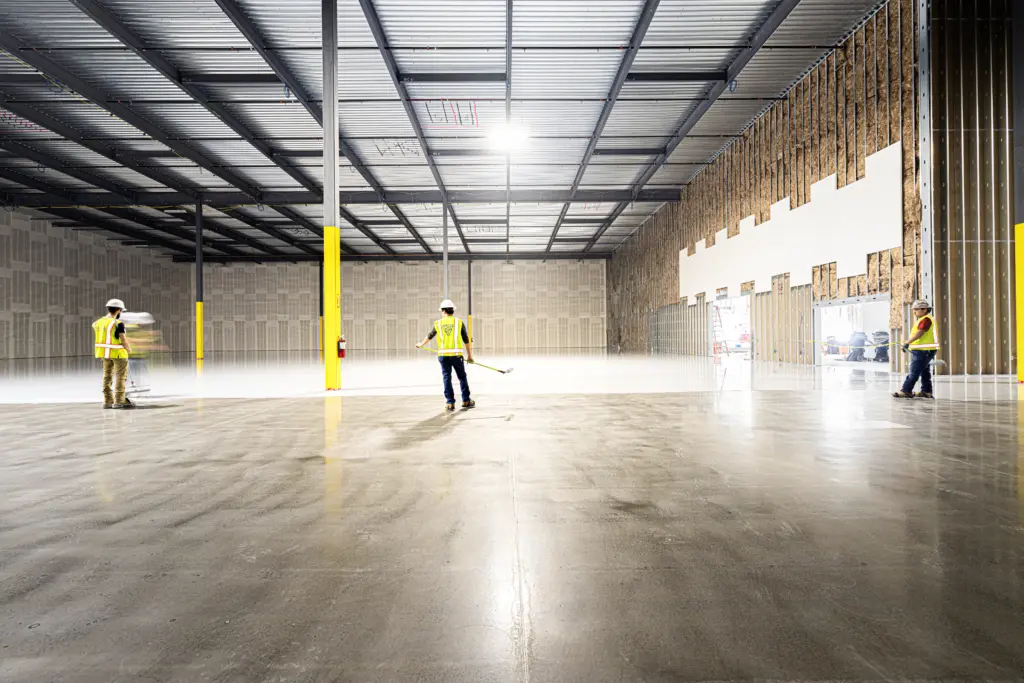
Craftsman Publishes 2026–2027 ESD Flooring Technical Guide
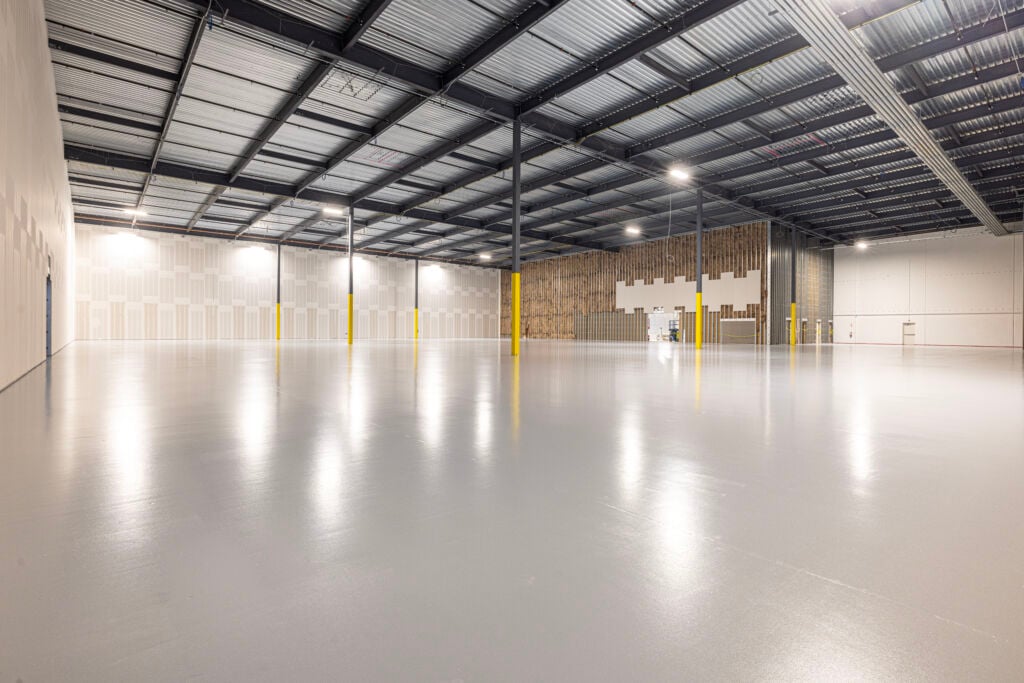
ESD Epoxy Flooring Case Study: 34,000 SF Dallas, TX