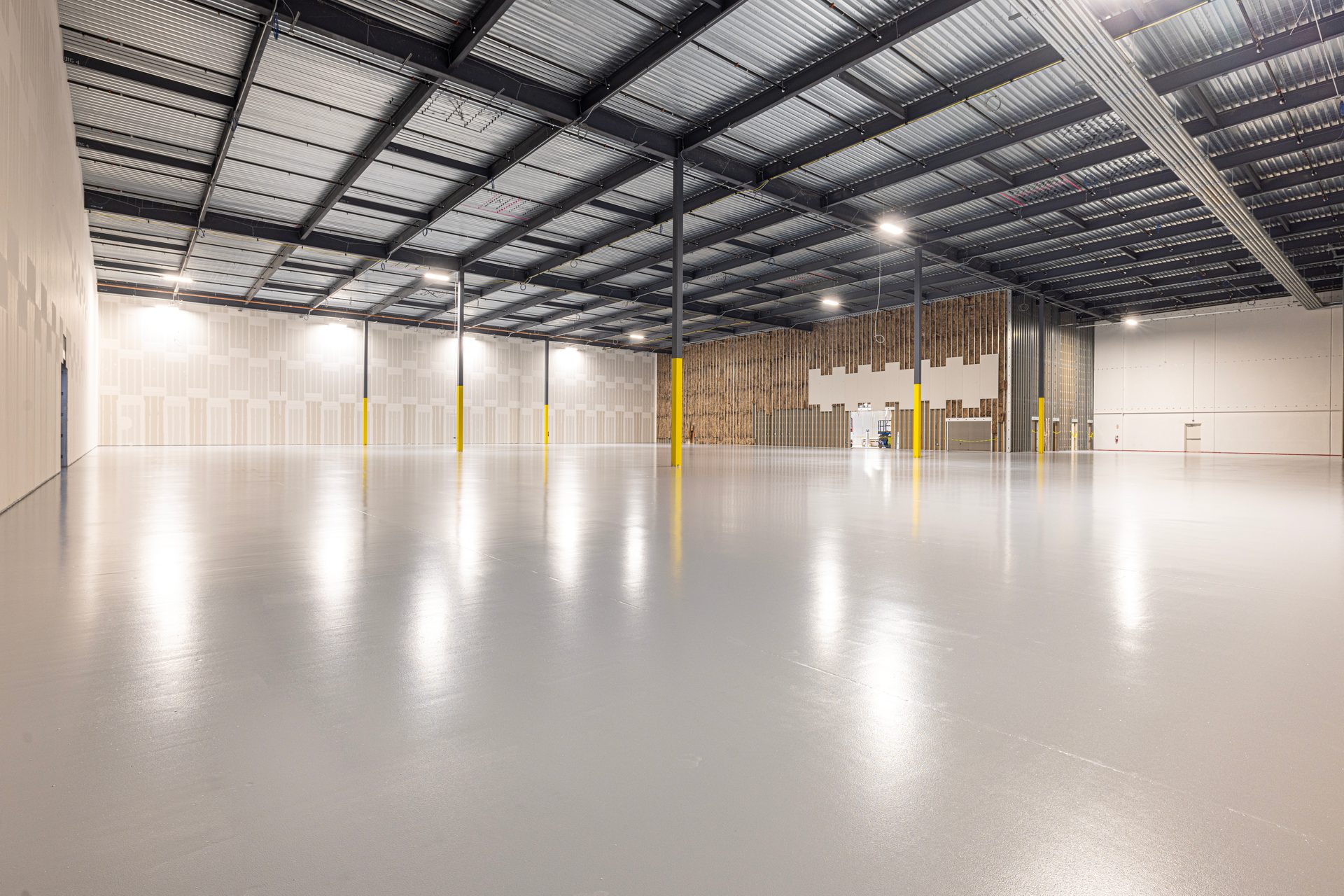
Choose an electrostatic discharge (ESD) flooring test according to what you need to measure: the floor’s electrical resistance, resistance through a person wearing footwear on the floor, or body voltage generated while walking. Then identify whether the testing is for product qualification, acceptance of an installed floor, or routine compliance verification.
Choose the measurement that answers your question
| What you need to evaluate | Relevant test method | What the result describes |
|---|---|---|
| Electrical resistance of the flooring system | ANSI/ESD STM7.1-2020 | Resistance of the flooring assembly, including the materials and grounding components that form its electrical path |
| Conductance or resistance of resilient flooring in tile or sheet form | ASTM F150-25 | Electrical conductance or resistance within the method’s resilient-flooring scope |
| Resistance through a person, footwear and floor | ANSI/ESD STM97.1-2025 | Resistance through the combined person, footwear and flooring system |
| Body voltage generated while walking with a footwear/flooring combination | ANSI/ESD STM97.2-2016 | Voltage on the person under the prescribed test conditions. |
Match the method to the testing stage
The same flooring system may need different evaluations during its service life:
- Product qualification: evaluate the proposed material or footwear/flooring combination under the applicable qualification procedure.
- Installed-floor acceptance: evaluate the completed installation against the project’s acceptance requirements.
- Compliance verification: check performance during use under the facility’s ESD control program.
The distinction between qualification, acceptance and compliance verification affects preparation, conditions and interpretation. For routine checks of an operating floor, see floor compliance verification under ESD TR53.
Identify what the result can establish
Floor-resistance measurements describe different electrical paths
Resistance to ground, resistance to a groundable point and point-to-point resistance are distinguished by where the test connections are made. Identify which measurement the applicable procedure requires before comparing results.
The floor-resistance measurement guide explains these paths and why qualification-sample readings may differ from installed-floor readings.
Floor resistance does not establish walking body voltage
A floor-resistance result does not establish the voltage generated by a person walking in a particular footwear/flooring combination. Resistance and body-voltage testing provide different evidence.
See why a passing resistance result does not establish low walking body voltage.
ESD performance does not establish shock or ignition safety
Results from the cited ESD methods do not provide personnel-shock or ignition-safety approval. Those decisions require a separate assessment under the hazards, standards and authority governing the operation.
The shock and ignition safety guidance explains the methods’ exclusions and what the project team should establish separately.
Define the testing plan before measurements begin
Once the measurement and testing stage are identified, confirm the applicable preparation and sampling requirements:
- Cleaning before testing: determine whether the procedure calls for cleaning or an initial test of the floor as found.
- Humidity and conditioning: establish whether controlled conditioning or ambient testing applies.
- Test locations and measurement counts: use the sampling requirements for the selected method and purpose.
Record the required measurements and acceptance criteria in the testing plan so the resulting report can be evaluated against the facility’s requirements.
Craftsman Concrete helps facilities define the measurements needed for their ESD flooring evaluation, including systems installed by Craftsman and other contractors. Our ESD floor testing services include reviewing the testing requirements and documenting results for the facility’s ESD program team. Contact Craftsman Concrete for help establishing a testing plan.
Frequently asked questions
No. Floor resistance, person/footwear/flooring resistance and walking body voltage describe different properties. The required combination of tests depends on the flooring’s intended use, the testing stage and the facility’s governing requirements.
Not necessarily. A test method describes how a measurement is made and the scope within which it applies. Confirm the applicable acceptance criteria in the governing standard, project specification or facility ESD control program before interpreting a result as passing or failing.
Standards referenced: ANSI/ESD STM7.1-2020, ANSI/ESD STM97.1-2025, ANSI/ESD STM97.2-2016, ASTM F150-25 and ESD TR53-01-22. Confirm the governing editions and project requirements before testing.