What can we help you with?
Technical flooring, delivered directly
- ESD flooring, urethane cement, terrazzo, and polished concrete
- In-house W-2 installation crews and experienced field leadership
- National service coverage with project-specific staffing plans
- Testing, documentation, and defined project closeout
- Dedicated support for corporate procurement and multi-site contracting
Phone: +1 (844) 687-1961
Our Clients




















What a Footwear Tester Shows
A footwear tester indicates whether electrical resistance through the shoes is below the maximum permitted by the relevant standard or standards. It does not establish full compliance with those standards, according to Newson Gale’s Grounding & Bonding Applications, Issue 4.
Where and when to test
- Location
- Indoors, in a safe area
- Source
- Newson Gale guide
Newson Gale’s guide says footwear testers need to be installed indoors in a safe area and used according to the manufacturer’s instructions before entering the hazardous zone.
What can increase footwear resistance
- Source
- IEC TS 60079-32-1, 11.3
IEC TS 60079-32-1, section 11.3, as quoted in Newson Gale’s guide, identifies accumulated debris on footwear, orthopaedic insoles, and reduced floor contact area as factors that can increase footwear resistance.
For the broader inspection and verification duties, see ground monitoring in hazardous areas.
Frequently Asked Questions
Newson Gale’s Grounding & Bonding Applications guide, Issue 4, says footwear testers indicate whether resistance through the shoes is below the maximum permitted by the relevant standard. They are not designed to establish complete compliance with that footwear standard.
Newson Gale’s Grounding & Bonding Applications guide, Issue 4, says footwear testers should be installed indoors in a safe area and used according to the manufacturer’s instructions to test footwear before entering the hazardous zone.
Blog
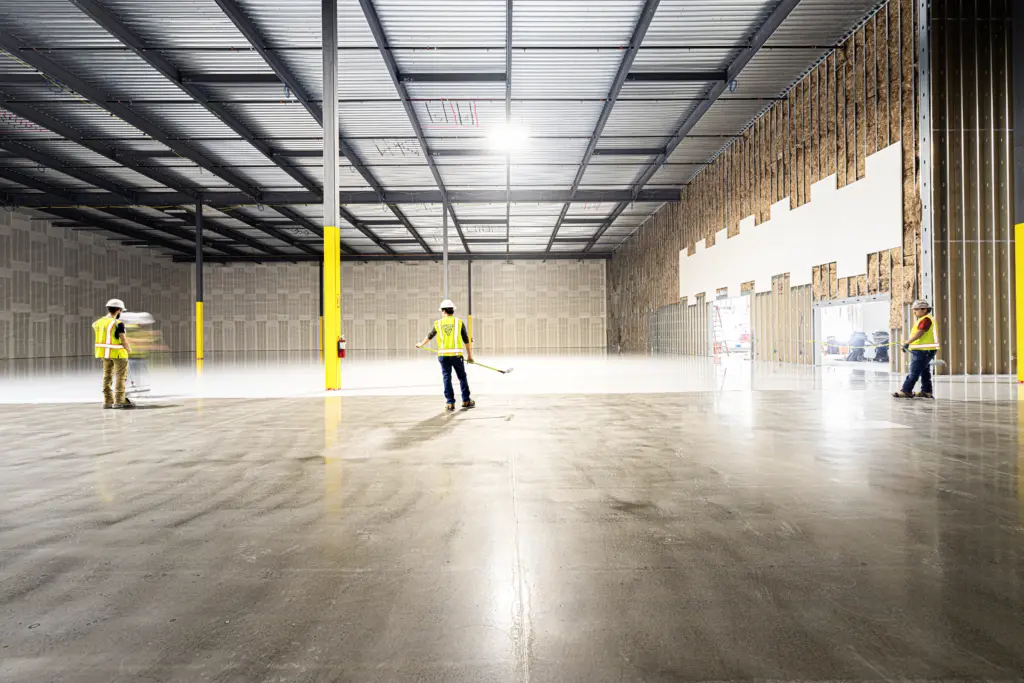
Craftsman Publishes 2026–2027 ESD Flooring Technical Guide
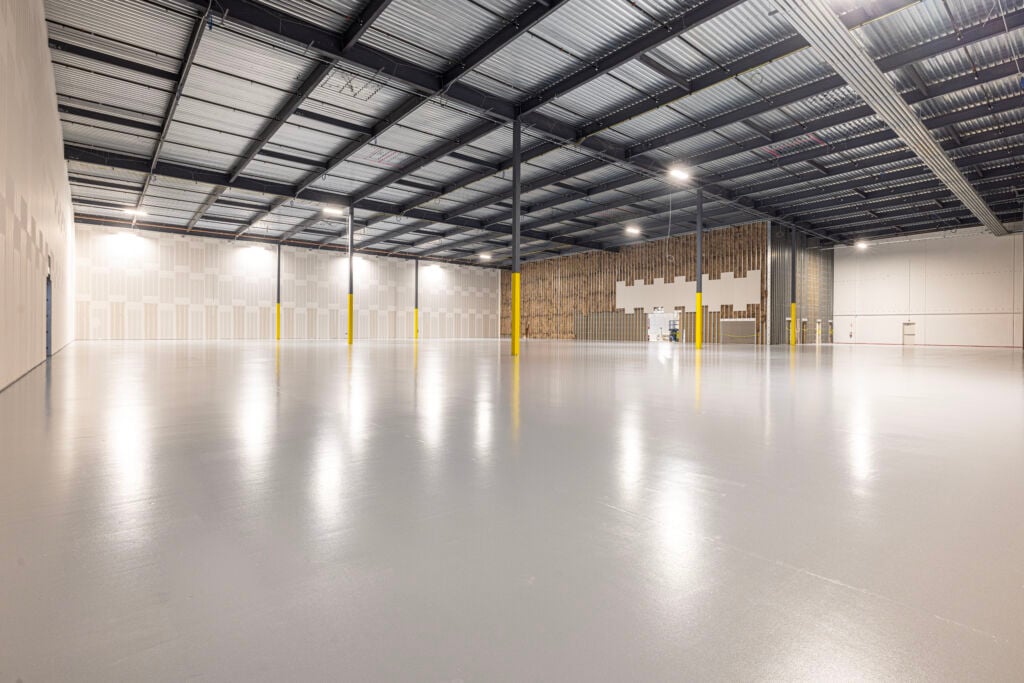
ESD Epoxy Flooring Case Study: 34,000 SF Dallas, TX