What can we help you with?
Technical flooring, delivered directly
- ESD flooring, urethane cement, terrazzo, and polished concrete
- In-house W-2 installation crews and experienced field leadership
- National service coverage with project-specific staffing plans
- Testing, documentation, and defined project closeout
- Dedicated support for corporate procurement and multi-site contracting
Phone: +1 (844) 687-1961
Confirm readiness before mobilization
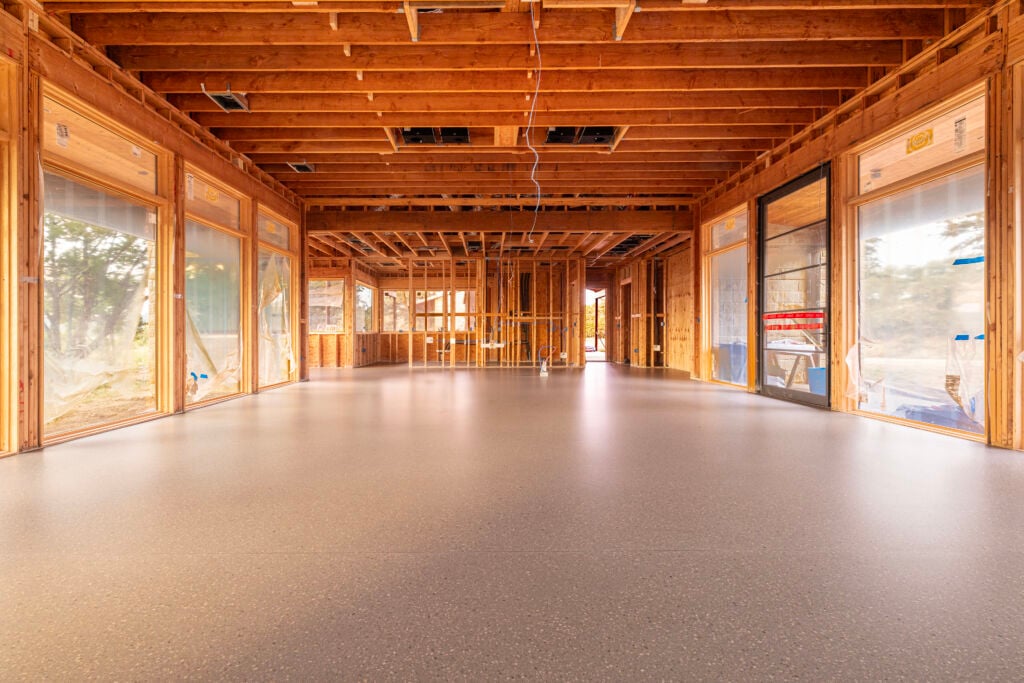
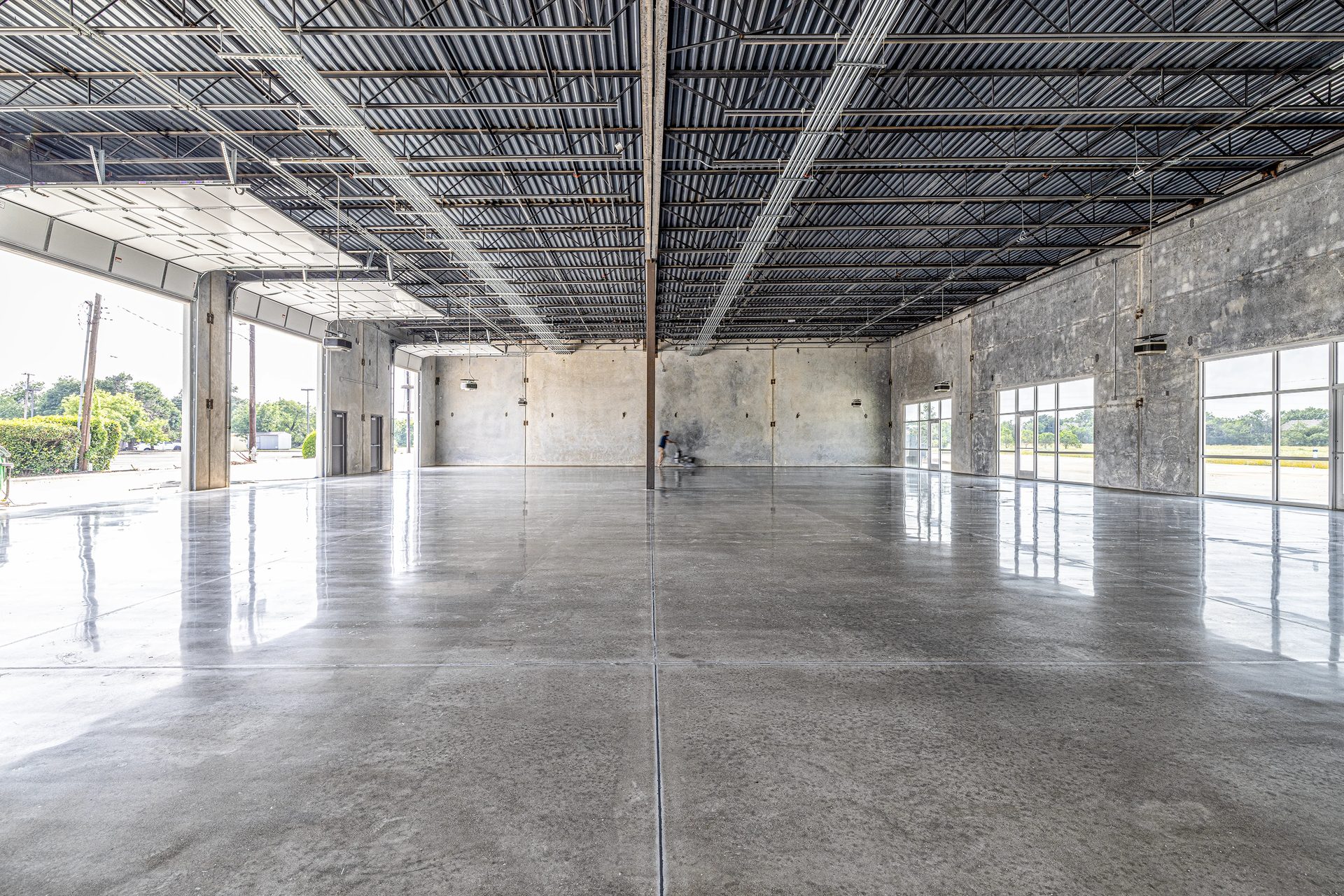
Craftsman Concrete coordinates jobsite preparation with the general contractor or facility team before mobilizing. We establish which areas will be available, review the slab, confirm equipment services and plan how polishing fits around other trades.
Before mobilization, we confirm that the work areas and services are ready and that preparation, repair and protection responsibilities are assigned.
| Item | What to establish |
|---|---|
| Work areas | Which areas are released, their size and the dates each becomes available |
| Deliveries and equipment access | Unloading arrangements and the route for equipment into each work area |
| Trade access | How other trades will work around the polishing operation |
| Slab condition | Required preparation, repairs and approval of unresolved conditions |
| Weather protection | A building enclosure that protects the work from adverse weather |
| Temperature | Suitable slab and air temperatures for the specified work and products |
| Site services | Available power, water, lighting and ventilation, including who provides them |
| Waste handling | Collection, containment and approved disposal arrangements |
| Finished-floor protection | Protection installation, later maintenance and permitted trade access |
Prepare the work areas and slab
Polishing needs clear floor, released in an agreed sequence, and a slab that Craftsman has reviewed. Confirm how much floor is available and for how long, coordinate trade access around active polishing, and agree how contamination, repairs and conditions revealed during grinding will be addressed.
Release clear areas in the agreed sequence
Confirm how much floor will be available at one time and how long each section will remain accessible. Remove stored materials and debris from released areas, and coordinate access so other trades do not interrupt active polishing work.
Our construction-sequencing guide explains how polishing fits around partitions, finishes and fixtures.
In occupied buildings, agree on work-area separation, occupant notices and permitted working hours with the facility team.
Review the slab and preparation scope
Craftsman reviews the concrete before proceeding with the specified finish. Confirm contamination removal, repair allowances and how conditions revealed during grinding will be addressed.
Where ACI 310.1-20 applies, unsatisfactory conditions must be corrected or an authorized remediation plan approved in writing before work begins. Starting work in an area is construed as acceptance of its surface conditions.
Our slab-acceptance guide covers that review. Additional preparation and repairs need an agreed scope, cost and schedule before execution.
Arrange site conditions, services and protection
The work area needs weather protection, suitable temperatures and site services, plus agreed arrangements for slurry collection and floor protection. Confirm who provides each service and when, check slab temperature rather than room air, and establish who maintains the protection Craftsman installs and how later trades will access the area.
Establish weather protection and temperature
The building enclosure must protect the polishing work from rain, wind and other adverse weather.
Where incorporated into the project, ACI 310.1-20 requires:
- A slab temperature of at least 50°F before work begins, with provisions to maintain that minimum.
- Ambient and surface temperatures that meet the instructions for each product used.
- A building shell sufficiently complete to protect the work from damaging weather.
A room-air reading does not establish the slab temperature. Meeting the ACI minimum also does not replace the application requirements for the selected densifier, dye, stain guard or repair material.
Our ACI specification guide explains when these provisions apply and how project-specific requirements take precedence.
Coordinate HVAC startup and intended operating conditions with joint filling. Our joint-filling schedule guide addresses that timing.
Confirm power, water, lighting and ventilation
Before mobilization, Craftsman confirms the service requirements for the equipment and products planned for the work. The project scope should identify who provides each service and when it will be available.
ACI 310.1-20 requires suitable water, power, lighting and ventilation before work begins. Its lighting minimum is 40 foot-candles measured at the slab surface. That is a work-readiness requirement, not a substitute for the lighting and criteria used to approve the finished appearance.
Electrical capacity and connections need to match the actual equipment. Ventilation must address the selected products and tasks.
Arrange waste handling and floor protection
Craftsman collects polishing slurry and washwater for disposal through approved methods. We never discharge it into storm drains. Confirm the collection area and disposal arrangements before work starts; our slurry collection and disposal guide explains the process.
We also coordinate and install the agreed floor protection. Establish who maintains it after our crew leaves and how later trades will access the area. Our construction-protection guide covers those arrangements.
Release the floor for traffic and cleaning according to the installed treatment and project requirements. Our return-to-service guide distinguishes those milestones.
Project Gallery






Frequently Asked Questions
No. The work area needs suitable access, weather protection, slab conditions and services. Craftsman coordinates the polishing sequence around the remaining construction work.
The project scope establishes that responsibility. Craftsman confirms the requirements for the planned equipment before mobilization so the agreed services are available when work starts.
Where ACI 310.1-20 applies, the slab must be at least 50°F before work begins, with provisions to maintain that minimum. The air and surface temperatures must also meet the requirements of every product used.
Work can be phased around other trades, but access to active polishing areas must be coordinated. Confirm area-release dates, working periods and protection before the crew mobilizes.
Polished Concrete Knowledge Center
Resource links
Performance & Safety
Design & Aesthetics
Installation Guidance
Economics & Sustainability
Maintenance & Aftercare
Comparative & Decision-Making
Blog
Craftsman Publishes 2026–2027 ESD Flooring Technical Guide
ESD Epoxy Flooring Case Study: 34,000 SF Dallas, TX