What can we help you with?
Technical flooring, delivered directly
- ESD flooring, urethane cement, terrazzo, and polished concrete
- In-house W-2 installation crews and experienced field leadership
- National service coverage with project-specific staffing plans
- Testing, documentation, and defined project closeout
- Dedicated support for corporate procurement and multi-site contracting
Phone: +1 (844) 687-1961
Choosing flooring by warehouse area
Craftsman Concrete Floors installs polished concrete, epoxy and other industrial floor-coating systems for warehouses and distribution centers nationwide. Our in-house W-2 crews handle slab preparation, joint repairs, installation and restoration, with work planned around forklift routes, loading operations and available shutdown windows.
| Area or condition | What to evaluate |
|---|---|
| Dry storage and picking aisles | Polished concrete, slab condition and hard-wheel traffic |
| Loading bays and aisle crossings | Impact, damaged joints, transitions and traffic exposure |
| Chemical storage or battery charging | Chemicals, battery technology, likely spills and coating compatibility |
| Customer-facing areas | Aggregate exposure, sheen and an approved appearance mockup |
| Areas requiring static control | Flooring selected for the facility’s ESD program |
Polished concrete and warehouse floor coatings
Commercial polished concrete installation turns the slab itself into the finished floor through grinding, densification and polishing. Previous coverings, contamination, cracks and repairs affect preparation, appearance and price.
The approved mockup
Craftsman installs an onsite mockup so the project team can approve aggregate exposure, sheen and the appearance of repairs before full polishing begins. Existing discoloration and natural variation may remain visible.
Spills, acids and protective coatings
Polished concrete works well in many dry warehouse areas. Where spills or chemical exposure require a protective coating, we select the complete system for the area’s traffic, cleaning and operating conditions. Acids can etch polished concrete, and some spills can leave stains. Our commercial resinous floor coatings page covers those systems.
Static control
For areas with static-control requirements, we provide ESD flooring installation according to the facility’s program. Storing electronics alone does not establish a requirement for ESD flooring.
Surface texture and traction
Craftsman considers contaminants, footwear, drainage and cleaning when selecting the finish and surface texture. Spill response and removal of tracked soil remain important after installation. Our polished concrete slip-resistance guide explains how conditions of use affect traction and testing.
Slab repairs, joints and forklift routes
Forklift and pallet-jack routes deserve particular attention during the floor assessment. Craftsman reviews loading areas, aisle crossings, damaged joints, cracks and previous repairs before defining the work.
Joint fillers
Suitable semi-rigid joint fillers help protect contraction and construction joint edges under hard-wheeled traffic. We select the treatment for the joint type, expected movement, exposure and flooring system. Joint filling does not resolve structural problems in the slab.
Slab review and preparation scope
Our review also covers existing coatings, adhesives, contamination, drainage, transitions and prior flooring failures. The proposal identifies removal, mechanical preparation, repairs, joint treatment, edge work and protection. Moisture evaluation follows the selected system and project requirements.
If preparation reveals additional work, Craftsman documents the condition and resolves changes to scope, price or schedule before installation continues.
Chemical storage and battery-charging areas
Chemical storage
Craftsman reviews the chemicals, concentrations, temperatures, likely contact times and containment needs before recommending a protective coating. Compatibility must be confirmed for the complete system and the substances involved.
Battery-charging areas
For battery-charging areas, we first identify the battery technology and electrolyte. Where acid exposure is present, a compatible chemical-resistant coating may be needed to protect the concrete. The battery system and likely spills determine the protection required.
Warehouse floor restoration
If warehouse aisles have dulled, developed persistent tire marks or begun showing wear, contact Craftsman. We assess the existing finish and cleaning program to determine whether the floor needs maintenance, joint repairs or repolishing.
Assessing the floor
Send photographs and any available information about the installed finish, stain guard, cleaning products and equipment. If dust returns soon after cleaning, we assess whether it comes from tracked-in soil or deterioration of the concrete surface before recommending treatment.
Care and maintenance instructions
Craftsman provides care and maintenance instructions for the installed finish as part of the closeout documentation. Our polished concrete cleaning guide covers routine care and when further assessment may be needed.
Installing around warehouse operations
Craftsman plans installation around picking, replenishment, storage access and loading. Before work begins, we coordinate which aisles and bays will close, how people and materials will move around them, and when each area can return to service.
Phased installation
Where the layout and selected system permit, work can proceed in phases while other areas remain operational. The plan establishes work boundaries, dust controls and separate crew and material routes.
Work windows and reopening
Each work window includes preparation, installation, applicable curing, inspection or specified testing, and cleanup. Nights, weekends and planned outages may provide suitable access. Forklift traffic resumes after the selected system meets its return-to-service requirements and the facility authorizes reopening.
Staffing and related services
Our national installation capabilities cover staffing, phasing and documentation. Facilities that combine warehousing with production can also review our manufacturing and plant flooring services.
Request warehouse flooring pricing
Pricing factors
Floor area, covering removal, repairs, joint work, finish and installation phasing determine the proposed price.
What to send
Request a warehouse flooring proposal with the location, approximate area, plans or photographs and available work windows. Include existing coverings, known damage, forklift routes and any chemical, battery or static-control requirements.
Project Gallery





Frequently Asked Questions
Not by itself. The facility’s ESD program determines whether static-control flooring is required and which areas it covers. Craftsman reviews those requirements when selecting the floor.
No. Battery technology, electrolyte and likely spills determine the exposure. Where acid protection is needed, we select a coating compatible with the actual chemicals and operating conditions.
Where the layout and work allow, we phase installation so other areas can remain operational. The plan identifies closed zones, alternate routes and reopening requirements, including when forklifts can return.
Not always. Craftsman reviews the finish and cleaning program before recommending work. The floor may need a cleaning adjustment or maintenance rather than repolishing.
Blog
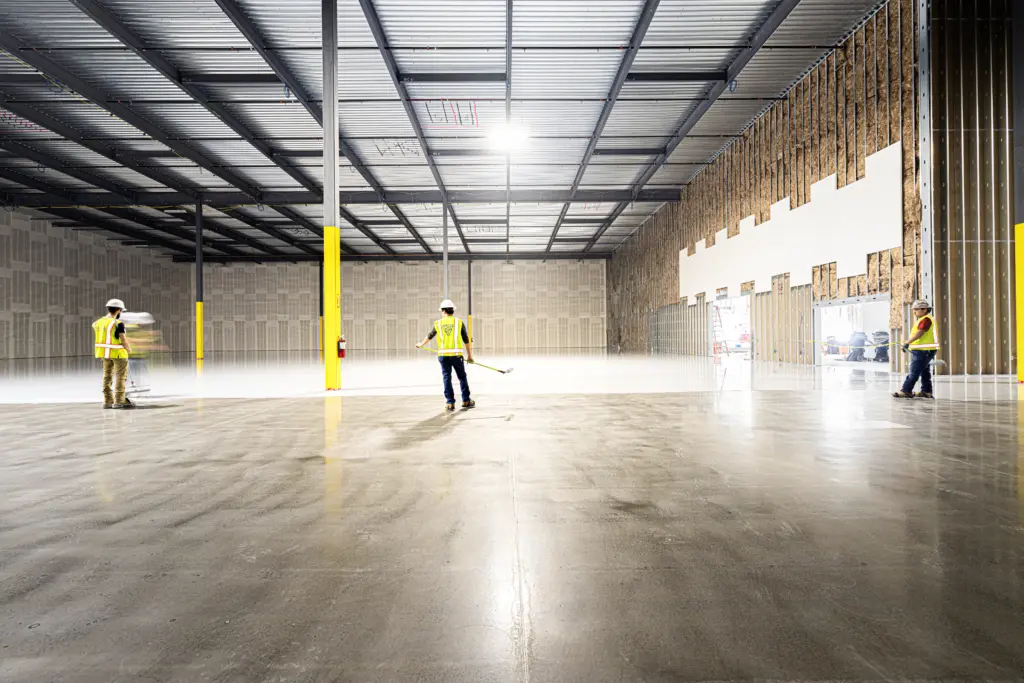
Craftsman Publishes 2026–2027 ESD Flooring Technical Guide
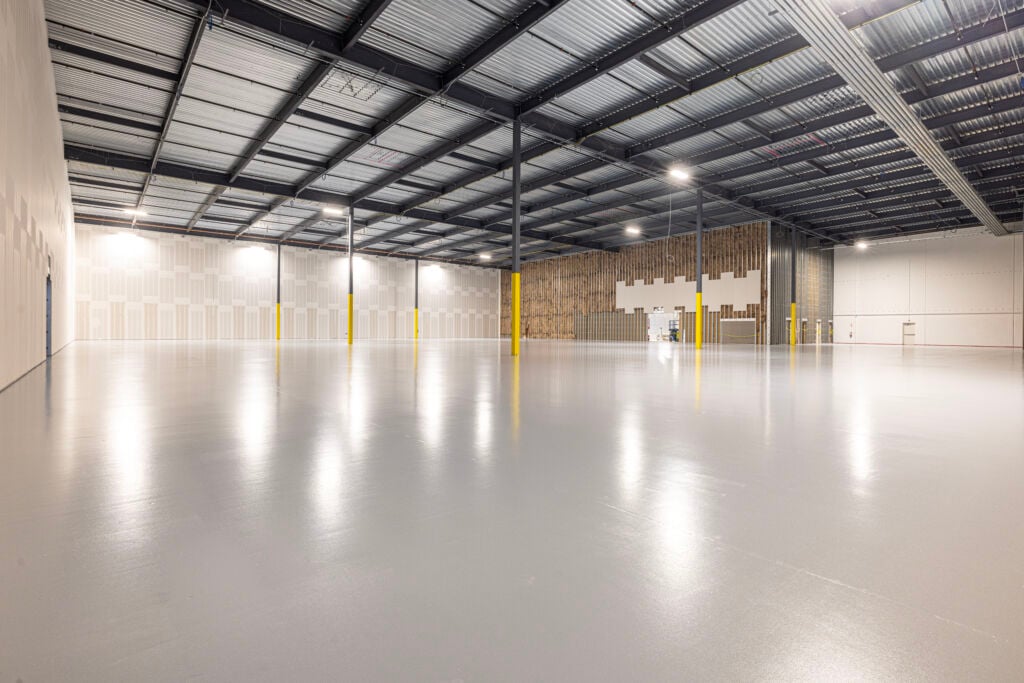
ESD Epoxy Flooring Case Study: 34,000 SF Dallas, TX