What can we help you with?
Technical flooring, delivered directly
- ESD flooring, urethane cement, terrazzo, and polished concrete
- In-house W-2 installation crews and experienced field leadership
- National service coverage with project-specific staffing plans
- Testing, documentation, and defined project closeout
- Dedicated support for corporate procurement and multi-site contracting
Phone: +1 (844) 687-1961
Quality and Acceptance
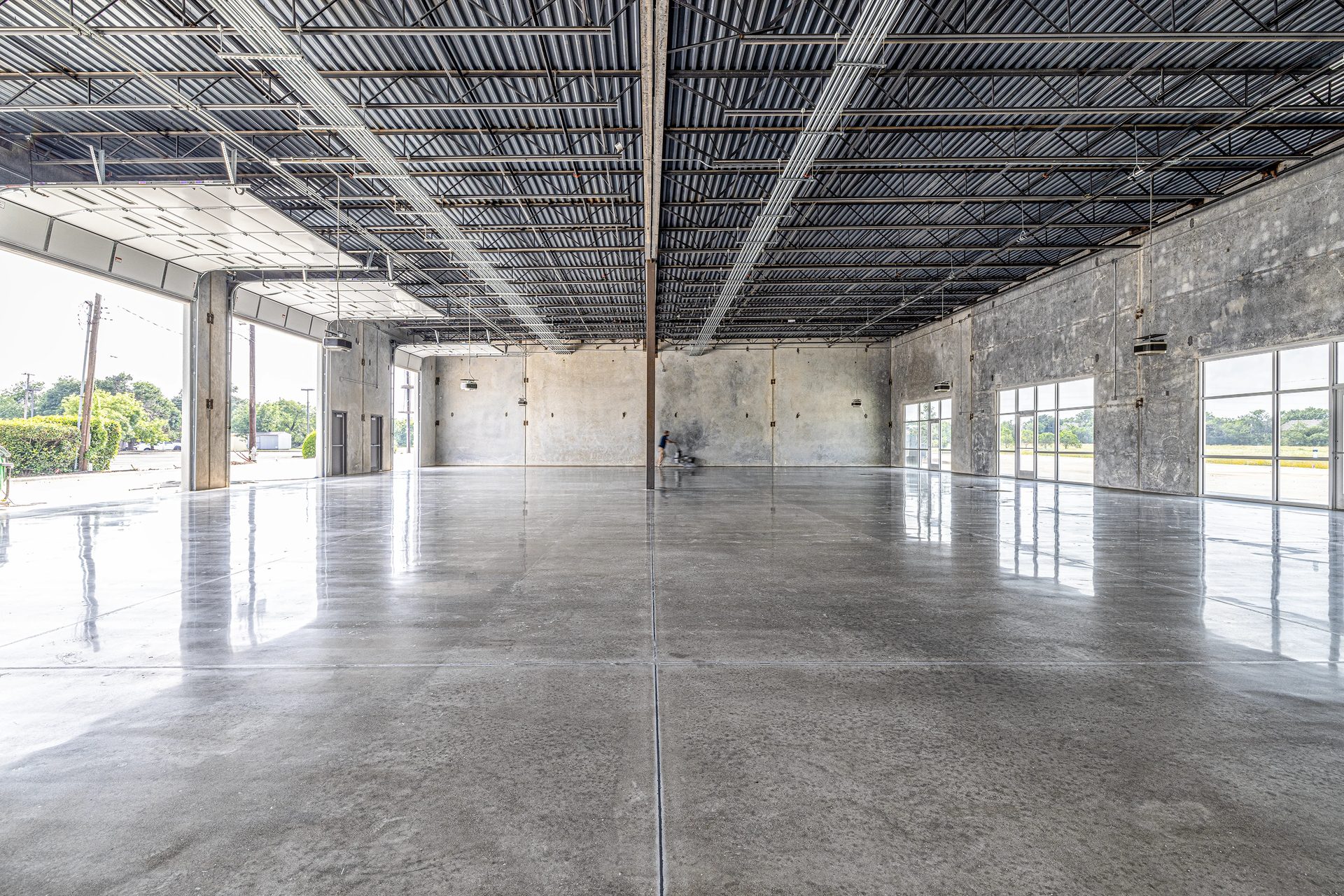
A quality polished concrete floor starts with a clear agreement on the finished result. Aggregate exposure, color, reflected appearance and performance requirements need to be established before installation.
At Craftsman Concrete, we install an on-site sample and review it with the project team before proceeding with the full floor. We use that approved sample to guide the installation, coordinate testing at the appropriate stages and check the finish as work progresses.
Agree on the finish before installation
Before installation, we agree on the finished result with the project team. The quality plan sets the intended finish, required measurements, testing stages and approval responsibilities. An on-site sample shows how the actual concrete responds to the proposed grinding, polishing and treatment, and becomes the visual reference the installed work is reviewed against.
Establish the finish and quality plan
Before installation, we establish the intended finish, required measurements, testing stages and approval responsibilities with the project team.
Our planning covers:
- Aggregate exposure, color and appearance.
- The approved sample used for comparison.
- Required test methods and acceptance values.
- The number and location of measurements.
- Testing before or after protective treatment.
- Responsibility for testing, reporting and final review.
This gives the owner, designer and installation team a shared understanding of the floor being delivered.
Use an on-site sample to establish appearance
Descriptions such as “high gloss” or “light aggregate exposure” leave room for different interpretations. An on-site sample shows how the actual concrete responds to the proposed grinding, polishing and treatment sequence.
Craftsman uses the sample to establish the intended result before extending that process across the floor. We review the installed work against the approved sample as polishing progresses.
The sample provides the visual reference; the quality plan identifies any measurements needed alongside it. Our aggregate exposure and visual acceptance guide explains what we assess during that comparison.
Check each property with the appropriate method
We assess appearance, surface texture and performance separately because they describe different characteristics of the floor.
| Quality check | What it evaluates |
|---|---|
| Gloss | Reflected brightness at a specified measurement angle |
| Distinctness of image, or DOI | The clarity of images reflected in the surface |
| Haze | An optical characteristic distinct from gloss and image clarity |
| Surface roughness | The measured texture of the surface |
| Pedestrian friction | Friction under the selected test conditions |
| Abrasion resistance | Wear under a defined test procedure |
| Chemical resistance | Performance under a defined chemical exposure |
| Defined-traffic geometry | Floor geometry along vehicle wheel paths |
The project’s requirements determine which checks belong in the quality plan.
Appearance and surface texture
Gloss, image clarity and haze tell us different things about the finish. We evaluate them using the criteria established for the project rather than treating a single gloss reading as a complete description of appearance.
Our gloss, DOI and haze guide explains these measurements.
We also identify the appearance reference used for the work. Published charts and guide specifications use different criteria, so the quality plan needs to name the selected reference. Our appearance specification guide explains those choices.
Surface roughness testing, when specified
Roughness average (Ra) is a separate measurement from gloss and DOI. When a project requires Ra testing, the quality plan needs to identify the applicable method and edition, acceptance criteria, sampling locations and reporting requirements.
Husqvarna’s SUPERFLOOR guide specification lists Ra references and an example measuring instrument, but its cited Ra entry does not supply a complete field-testing plan or a universal passing value. Resolve those requirements before testing rather than treating the named instrument as a complete specification.
Pedestrian friction
Friction testing evaluates the surface under defined conditions. The method, surface condition and intended use all matter when interpreting the result.
We coordinate specified friction testing as part of the project’s quality plan. Our polished concrete slip-resistance guide explains the methods and use categories.
Wear and chemical exposure
We review abrasion and chemical-resistance evidence for the concrete, treatment and exposure involved. Where chemical exposure matters, a representative treated sample helps establish the expected performance before installation.
Our guides to polished concrete wear resistance and chemical-resistance evidence explain how to read those results.
Vehicle wheel paths
Facilities with vehicles following fixed paths need floor-geometry requirements suited to that operation. We identify those requirements during planning so they are considered alongside the polished finish.
Our wheel-path geometry guide explains the difference between F-min and general FF/FL measurements.
Measure and review the installed finish
Quality checks follow the installation sequence, so readings specified before protective treatment are taken before it is applied. Where the project adopts the ACI sampling frequency, that rule sets the number and spread of readings; acceptance values are identified separately. Craftsman checks the finish as work progresses and reviews the completed floor with the project team.
Take measurements at the correct installation stage
We schedule quality checks around the installation sequence. Measurements required before stain guard or another protective treatment are taken before that treatment is applied.
This matters because the specified surface condition is part of the test. The CPC guide specification measures image clarity and haze before sealers; ACI SPEC-310.1-20 calls for specular gloss measurement before protectant. A measurement taken later describes a different stage of the finished system.
Our guide to measurements before and after protective treatment explains these distinctions.
Set the number and distribution of readings
Where the project incorporates ACI SPEC-310.1-20 and the Owner or Architect/Engineer requires the testing frequency in clause 1.6.1.3, specular gloss, DOI and haze are each measured at three locations for areas up to 1,000 square feet, with one additional test for each additional 1,000 square feet or fraction. Locations are selected randomly within test areas distributed across the entire polished floor.
The sampling rule does not establish acceptance values or a gloss measurement angle. Identify those separately in the project’s quality plan; project-specific Contract Documents govern a conflict.
Our ACI 310.1-20 specification guide covers testing responsibility, notice and reporting deadlines.
Review the completed floor
Craftsman checks the finish as installation progresses, using the approved sample and agreed criteria to guide the work. At completion, we review the floor with the project team and provide the inspection and testing records included in our scope.
Project Gallery







Frequently Asked Questions
The sample establishes the intended aggregate exposure, color and appearance using the actual project concrete. It gives everyone a shared visual reference for the installation. The quality plan identifies the measured requirements evaluated alongside that reference.
Gloss measures reflected brightness at a specified angle. Image clarity, also called distinctness of image or DOI, describes how sharply objects appear in the reflection. They describe different aspects of the polished finish.
We coordinate testing around the installation sequence and the selected test requirements. Measurements specified before protective treatment are taken before the stain guard or other treatment is applied.
Craftsman reviews the completed finish with the project team against the approved sample and agreed requirements. We also provide the inspection and testing records included in the project scope.
Polished Concrete Knowledge Center
Resource links
Performance & Safety
Design & Aesthetics
Installation Guidance
Economics & Sustainability
Maintenance & Aftercare
Comparative & Decision-Making
Blog

Craftsman Publishes 2026–2027 ESD Flooring Technical Guide

ESD Epoxy Flooring Case Study: 34,000 SF Dallas, TX