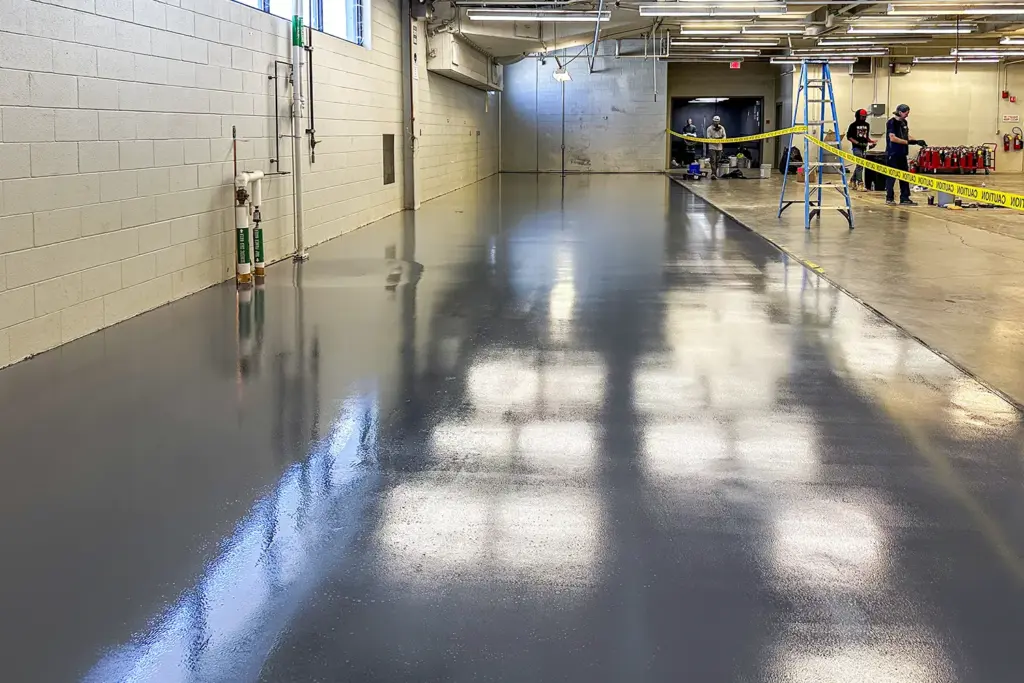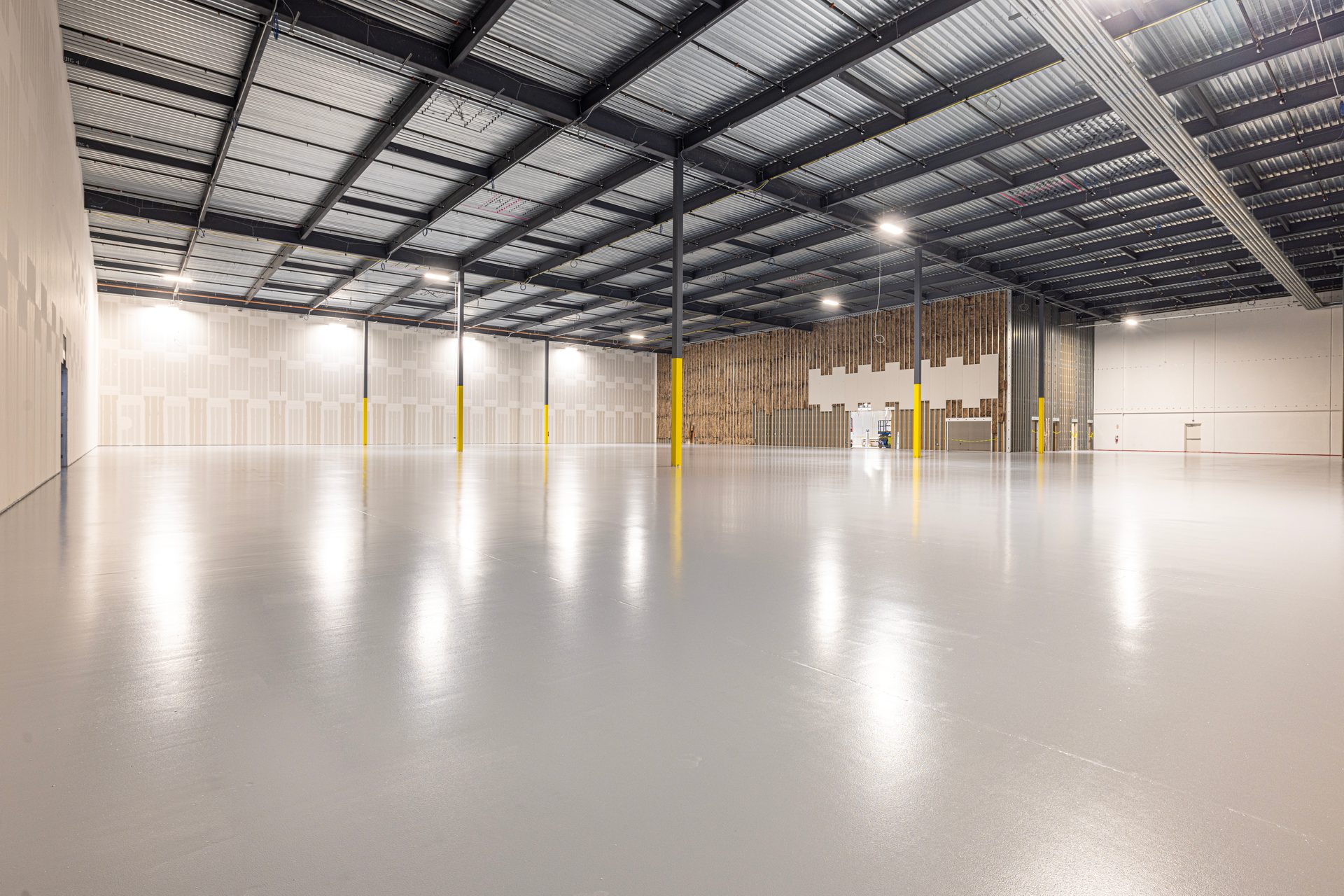
The ranges below reflect Craftsman Concrete’s experience pricing thousands of ESD flooring projects. ESD epoxy and urethane installations generally fall between $3.34 and $13.55 per square foot installed, depending on the system, project size, concrete condition and required scope. Small repairs can cost substantially more per square foot because fixed project costs are spread across a smaller area.
The final price depends on the flooring assembly, concrete condition, project size, access and required testing. Compare proposals on the work included, alongside the price per square foot.
Craftsman Concrete defines the installation, grounding, testing and closeout documentation requirements before award. That gives the facility a defined scope for comparing prices and an understanding of what it will receive at completion.
ESD flooring cost by project size
| Installation size | Budget range per square foot | Illustrative project total |
|---|---|---|
| Under 5,000 square feet | $6.70–$13.55 | See individual project examples below |
| 5,000–20,000 square feet | $3.93–$8.15 | $25,000–$125,000 |
| Over 20,000 square feet | $3.34–$4.40 | $67,000–$449,000 |
These ranges are planning references for installations, not a separate price for every possible scope. Small repairs are shown separately in the project examples below. The selected system, preparation and site requirements can place a project outside these ranges. Project totals illustrate the amounts in the pricing examples; they are not calculated by multiplying the endpoints of the area and unit-price ranges.
Request a project-specific quote with the approximate area, location, intended use and available flooring specification.
Our Clients




















GET A LINE ITEM QUOTE
What changes the installed cost?
The selected assembly, the condition of the concrete and the facility’s installation requirements determine the work to be priced.
Project size and layout
Larger continuous areas can distribute planning, equipment setup and other fixed costs across more square footage. Small repairs can have a much higher cost per square foot because many of those same activities are required for a much smaller area.
Compare repairs separately from full installations. Total project cost is often more useful than a per-square-foot figure for a small repair.
Flooring system and specification
The price depends on the complete assembly, including its thickness, layers, topcoat and electrical requirements. A conductive or static-dissipative classification alone does not establish the installed cost.
Compare systems that meet the same project requirements. Differences in chemical resistance, traffic capability, finish and installation scope can affect the price independently of their ESD performance.
Establish whether the application requires ESD performance before comparing systems. Where it does not, a suitable conventional flooring system can be evaluated against the facility’s other requirements.
| Cost factor | What to establish before comparing prices |
|---|---|
| Flooring assembly | Selected products, thickness, layers and topcoat |
| Cove base | Required height, extent and specified assembly |
| Electrical requirements | Required performance and applicable acceptance criteria |
| Service conditions | Traffic, chemical exposure, cleaning and other operating requirements |
| Grounding | Connection details required by the selected system |
| Testing | Required methods, locations, conditions and responsible parties |
| Documentation | Reports, installation records and other closeout deliverables |
Concrete preparation and repairs
The slab’s condition determines how much work is needed before the flooring can be installed. Existing coatings, contamination, damaged concrete and moisture conditions can change the preparation and treatment required.
The following allowances help identify potentially significant scope items. Confirm whether they are included in the installed price before adding them to a project budget.
| Scope item | Budget allowance | What determines whether it applies |
|---|---|---|
| Shot blasting | $0.50–$0.97/sf | Required preparation for the selected system and existing substrate |
| Semi-rigid joint filling | $2.50–$4.75/linear foot | Joint type, condition and specified treatment |
| Moisture mitigation | $1.50–$4.00/sf | Moisture results and the selected system’s installation requirements |
Shot blasting is one preparation method. The selected flooring system and slab condition determine the required preparation; an ESD designation alone does not make one technique mandatory.
Joint treatment
Joint treatment should follow the applicable details for the flooring system and joint conditions. Semi-rigid filling should not be assumed to be the correct treatment for every joint.
Moisture mitigation
Moisture results must be evaluated against the selected system’s limits. Excess moisture can cause bond loss in moisture-sensitive flooring, but the applicable limits and mitigation requirements are product-specific. Where treatment is required, the proposal should identify the specified approach and its cost.
Facility access and schedule
Occupied facilities and restricted work windows can change both the sequence and cost of installation.
| Site or scheduling condition | Potential effect on the work |
|---|---|
| Installation in separate phases | Repeated setup, area releases and handbacks |
| Night, weekend or shutdown windows | Different staffing and scheduling requirements |
| Equipment remaining in place | Restricted access and smaller available work areas |
| Equipment relocation | Additional coordination and assigned moving responsibilities |
| Cleanroom or sensitive adjacent operations | Specified containment, housekeeping and access controls |
| Security clearances and restricted access | Advance clearance, escort and site-access coordination |
| Existing flooring removal | Additional preparation, handling and disposal |
Craftsman assigns crews and equipment according to the project’s location, schedule, system requirements and available resources. Mobilization is based on that project plan rather than an assumption that every crew or piece of equipment starts from a particular office.
ESD flooring project cost examples
Project size has a substantial effect on how fixed costs translate into a per-square-foot price. The following project amounts provide examples for comparison.
| Project | Size | Total Cost | Cost/sf |
| Small floor repair | 75 sf | $4,725 | $63.00/sf |
| Aerospace component facility | 3,200 sf | $32,500 | $10.16/sf |
| Dallas electronics manufacturing | 34,000 sf | $143,140 | $4.21/sf |
| Houston facility | 67,000 sf | $240,530 | $3.59/sf |
| Battery manufacturing | 114,760 sf | $449,170 | $3.91/sf |
A small repair may still require planning, equipment setup, preparation, installation and specified testing. Those activities account for a much larger share of the unit price when the work covers 75 square feet rather than an entire facility.
For a small repair, compare the total price and scope. For a larger installation, compare both the total and per-square-foot price, including any work priced separately.
What should the installation price include?
The proposal should make the included work and exclusions visible before installation begins.
| Scope category | What the proposal should identify |
|---|---|
| Site assessment | Available slab information, required inspection and moisture testing |
| Preparation and repairs | Preparation method, coating removal, concrete repairs and joint treatment |
| Flooring installation | Products, assembly, thickness, installation area and required cove base |
| Grounding | Required connection details and assigned responsibilities |
| Access and phasing | Work areas, installation windows and site assumptions |
| Acceptance testing | Methods, locations, criteria and testing responsibilities |
| Closeout | Required reports, installation records, care information and applicable warranty documents |
| Additional or excluded work | Activities assigned to other parties and conditions that could change the scope |
A lower proposal may cover a different assembly or omit preparation, testing or documentation included elsewhere. Resolve those differences before treating the totals as directly comparable.
Which ESD tests are included in the price?
Floor-resistance testing and footwear/flooring system qualification are different activities. Identify the required measurements before comparing proposals.
| Test method | What it measures |
|---|---|
| ANSI/ESD STM7.1-2020 | Flooring resistance. Installed-floor acceptance testing includes resistance-to-ground and point-to-point measurements. |
| ANSI/ESD STM97.1-2025 | Resistance through a person, footwear and flooring as a system. |
| ANSI/ESD STM97.2-2016 | Body voltage generated with a footwear/flooring combination under the prescribed test conditions. |
Craftsman performs STM7.1 flooring-resistance testing when specified. STM97.1 and STM97.2 testing are separately assigned by the project documents and scope. Each direct Craftsman test produces a written digital report.
For facilities using footwear and flooring for personnel grounding, the S20.20 qualification requirements address both system resistance and body voltage. A floor-only resistance report does not supply those two results.
Initial acceptance testing is distinct from periodic compliance verification. The facility’s verification plan establishes the items tested and their frequency. Recurring testing should be identified separately when it is part of the requested service.
Request an ESD flooring estimate
Send the project location, approximate square footage, facility use and available specification. Include information about existing flooring, known slab conditions, access restrictions and the proposed installation schedule.
Craftsman Concrete typically returns commercial estimates within 24 hours. A project-specific proposal identifies the scope and assumptions behind the price.
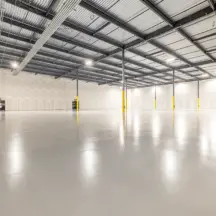
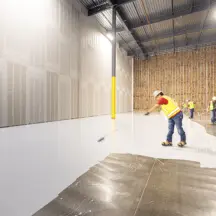
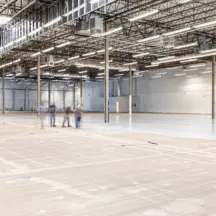
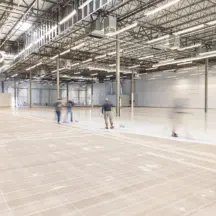
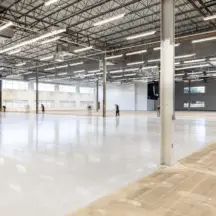
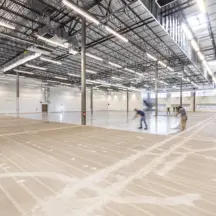
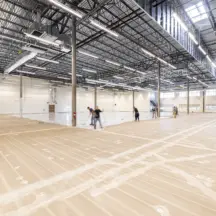
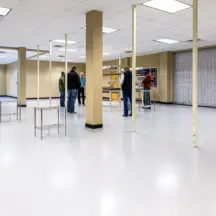
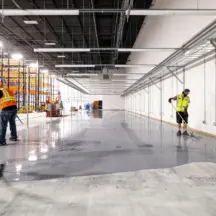
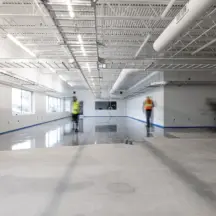
ESD Flooring Gallery
ESD Flooring Knowledge Center
Resource links
Project Planning & Delivery
- ESD Installation Timeline
- ESD Flooring Contractor Guide
- ESD Flooring Capabilities
- Static-Control Flooring Systems
- ESD Project Delivery Framework
- Planning ESD test locations — Review method-specific sampling requirements when defining the testing scope to be priced.
Systems & Selection
Compliance Requirements & Testing
- ESD Control Program Standards
- Facility-Specific ESD Requirements
- Qualification, acceptance and routine verification — Separate the testing stages before comparing proposals and their included deliverables.
Where ESD Flooring Is Used
Maintenance & Troubleshooting
Manufacturer ESD Flooring Systems
Frequently Asked Questions
The installation ranges shown here are approximately $3.34–$13.55 per square foot for ESD epoxy and urethane flooring. Project size, the selected assembly, slab condition, access and testing scope determine the price. Small repairs can cost substantially more per square foot because fixed project costs are distributed across less area.
Planning, equipment setup and other fixed activities may still be required for a small area. The 75-square-foot repair example totals $4,725, or $63 per square foot. That does not make $63 per square foot a representative rate for a full installation; it shows why small repairs should be compared by total scope and price.
Electrical-control requirements can add materials, grounding work, testing and documentation. The price difference depends on the complete assemblies and their installation scopes. Compare systems with similar thickness, service requirements and preparation before attributing the difference entirely to ESD performance.
The proposal should identify the included testing and reporting. Craftsman performs STM7.1 flooring-resistance testing when specified and provides a written digital report; it does not issue an ESD-floor certification. Any STM97.1 system-resistance testing, STM97.2 body-voltage testing or recurring compliance verification should be identified separately in the scope.
Case Studies
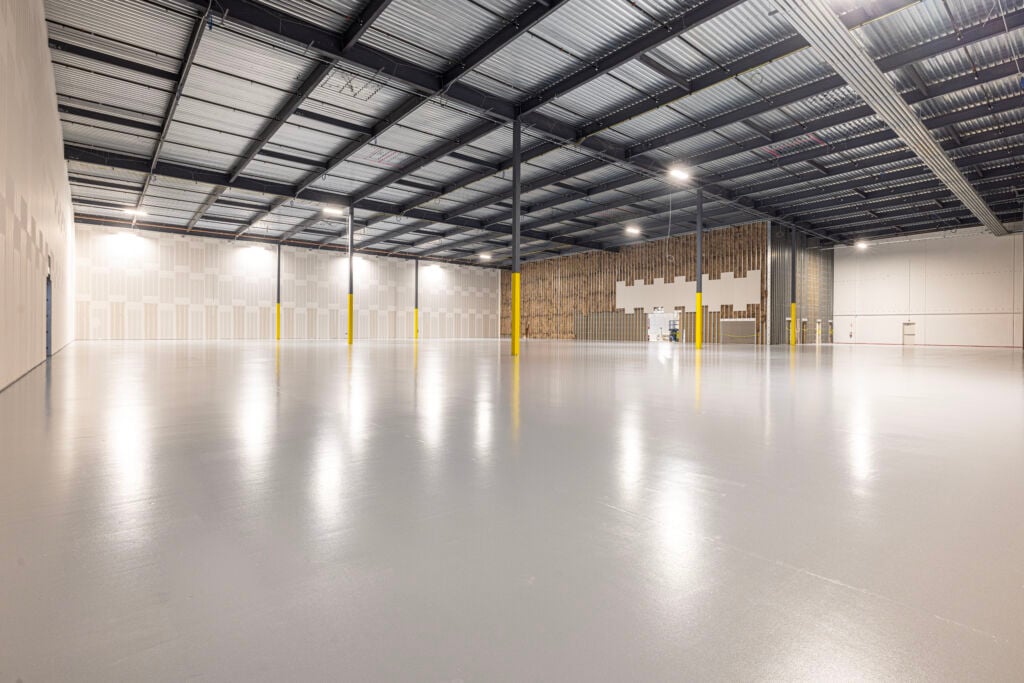
ESD Epoxy Flooring Case Study: 34,000 SF Dallas, TX
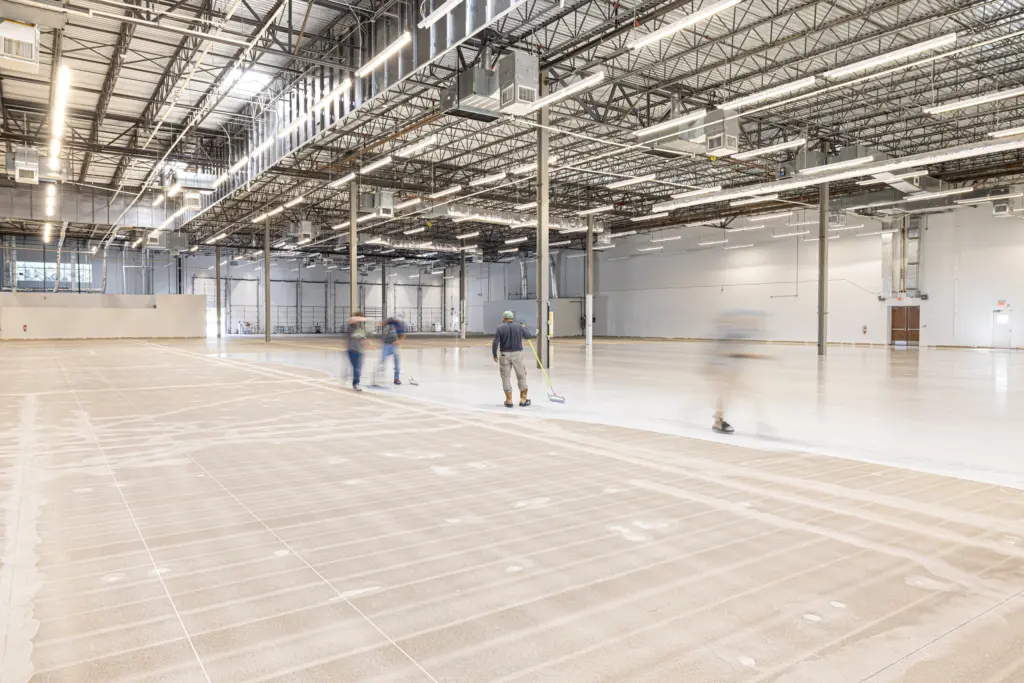
ESD Epoxy Flooring Case Study: 67,000 SF | Houston, TX