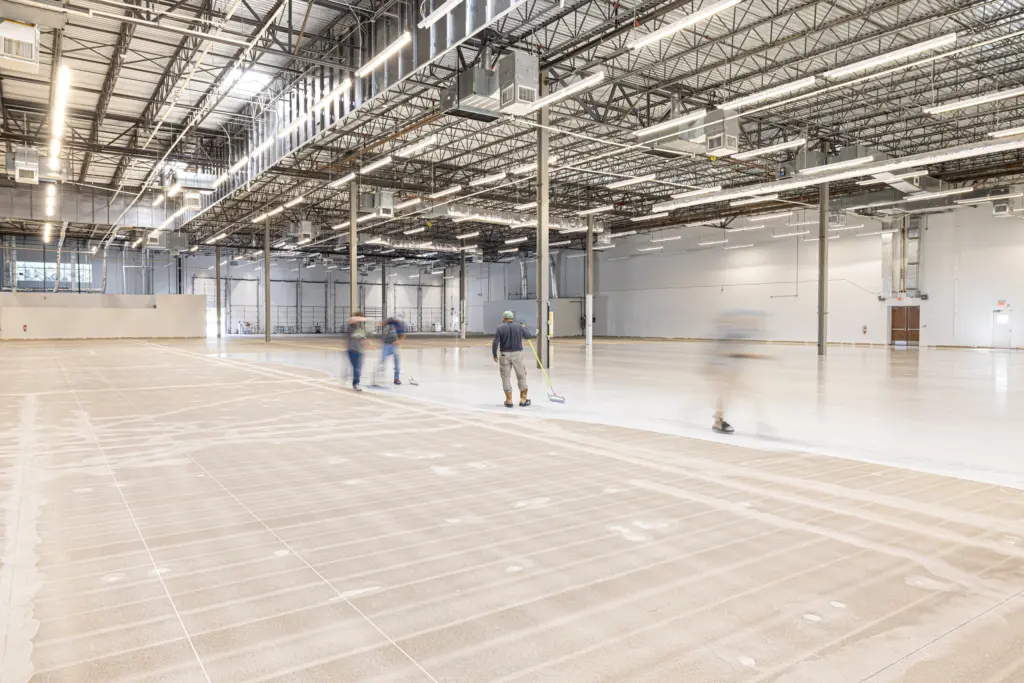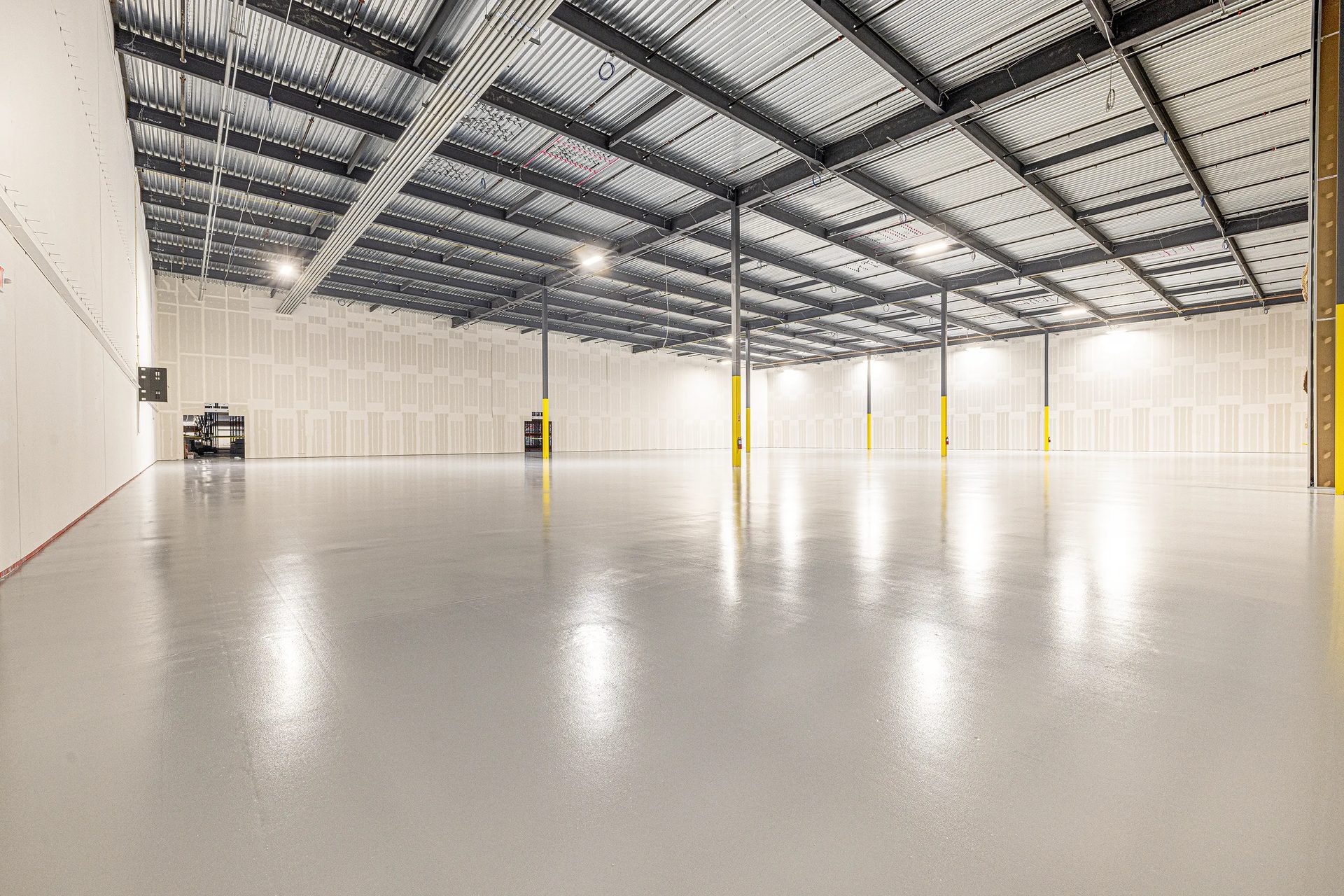
- Bakery Chemistry Resistance: vegetable oils and shortenings (canola, palm, soy) in continuous exposure; sugar in liquid and crystallized form; flour-and-water slurry abrasion; organic acids from sourdough and fermentation (lactic, acetic, propionic); yeast slurry on fermentation floors
- Thermal Profile Handled: 120-160°F radiant heat from oven adjacency in continuous operation; direct heat transfer from hot pan racks; 140-180°F caustic washdown; 150°F+ differential between operating temperature and sanitation cycle
- Epoxy Failure Modes Solved:
- – vegetable oil penetration softening the resin from the inside
- – sugar crystallization chalking the surface during washdown cycles
- – flour-and-water slurry wearing the coating like wet sandpaper
- – organic acid attack on the resin matrix
- – thermal-shock delamination at oven-line transitions
- – drain-area failure from sugar crystallization and acid concentration
- Slip Resistance: broadcast aggregate sized for wet conditions and oil contamination; integral to the body coat, not a topical coating that strips under caustic CIP or pan-oil exposure
- Integral Cove Base: poured monolithic with the slab to 4-6 inch height; no caulked seams for sugar, oil, or yeast slurry to find their way under; no harborage points for USDA, SQF, BRCGS, or HACCP auditors to flag
- Allergen Zone Color Coding:
- – pigmented topcoats in food-safe color palettes
- – visual zone segregation for wheat, nuts, dairy, soy, egg, gluten-free
- – documents allergen control during third-party audits
- – reduces cross-contact risk through visual cue
- Compliance: USDA acceptance where applicable (meat-containing bakery products); FDA 21 CFR 175.300 incidental food contact; HACCP, SQF, and BRCGS program support; documentation for infant formula and medical food sub-segments where required
- Surface Preparation: shot blast or diamond grind to ICRI 310.2 CSP 4-5; ASTM F2170 in-situ moisture probe testing before primer; ACI 302.1R substrate tolerances verified
- Phased Installation: 3-5 day windows per area, sequenced one production line at a time around sanitation cycles; foot traffic returns at 12-24 hours; full chemical service within 72 hours
- Applications:
- – mixing floors
- – dough lines and makeup tables
- – proofing rooms
- – oven floors and adjacent zones
- – packaging halls
- – freezer entry transitions
- – ingredient storage
- – allergen-segregated zones
- – returns and rework rooms
- – wash bays
- Pricing: $8-15/sqft installed depending on system thickness, cove base linear footage, drain count, allergen zone color coding, and substrate condition
Phone: +1 (844) 687-1961
Bakery flooring gets misdiagnosed as “just another food plant” by contractors who haven’t worked in bakeries. The chemistry is specific. Vegetable oils — canola, palm, soy — used in dough conditioning and pan-greasing penetrate epoxy resin over time and the resin softens from the inside. Sugar in liquid form pools at low spots and crystallizes in seams; standard epoxy chalks at the surface as the crystals cycle through wet sanitation. Flour dust mixed with water forms a fine slurry that wears coatings the way wet sandpaper does. Organic acids from sourdough cultures and fermentation — lactic, acetic, propionic — attack epoxy resin matrices the same way they attack dairy and meat plant floors. Yeast slurry on fermentation floors adds another organic acid load. Bakery floor coating that wasn’t formulated for this stack fails inside 24-36 months, usually first at the oven-line transition or the dough-line drains.
Cementitious urethane handles the bakery chemistry stack because the urethane-mortar matrix is structurally resistant to vegetable oil penetration, sugar crystallization, and the organic acid load from fermentation. UC also handles the thermal profile that bakeries put on floors, which gets underestimated more often than the chemistry does. Deck ovens, rotary ovens, and tunnel ovens run at 400-500°F+ with adjacent floor surfaces seeing 120-160°F radiant heat continuously. Hot pan racks rolled across floors transfer heat directly to the surface. Then daily washdown at 140-180°F caustic hits a floor that’s been sitting at warm-to-hot operating temperature, generating the 150°F+ differential that delaminates rigid coatings at the bond line. UC’s coefficient of thermal expansion matches concrete and the mortar matrix absorbs the cycling without delaminating — the same structural property that holds up under chemistry exposure holds up under thermal cycling.
Compliance is the other variable — it varies by what the bakery produces. Wholesale and commercial bakeries supplying retail typically run HACCP and SQF or BRCGS programs. USDA inspection applies to bakeries producing ready-to-eat products with meat content — meat pies, sausage rolls, breakfast sandwiches. FDA 21 CFR 175.300 covers incidental food contact for all bakery sub-segments. Infant formula and medical food bakery sub-segments drive higher compliance specs. Allergen segregation programs — wheat, nuts, dairy, soy, egg, plus dedicated gluten-free production lines where applicable — make color-coded zone flooring a high-value sanitation tool. The color zoning helps operators visually segregate processing areas, document allergen control during audits, and reduce cross-contact risk. UC accepts pigmented topcoats in standard food-safe color palettes for this purpose.
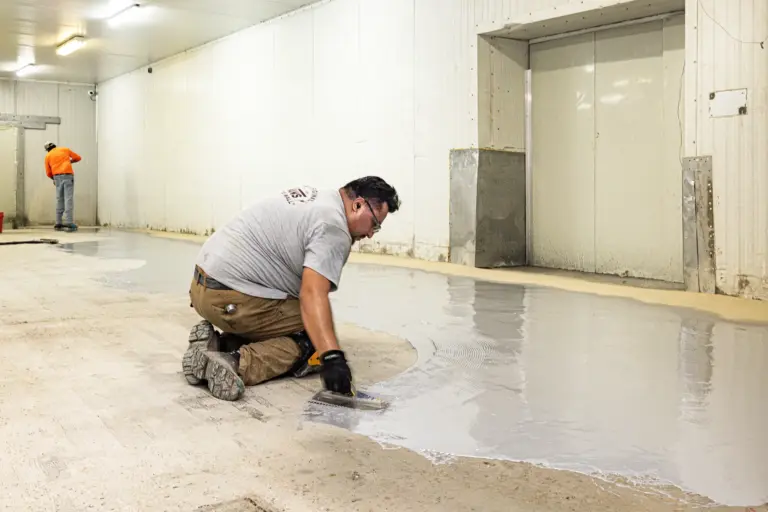
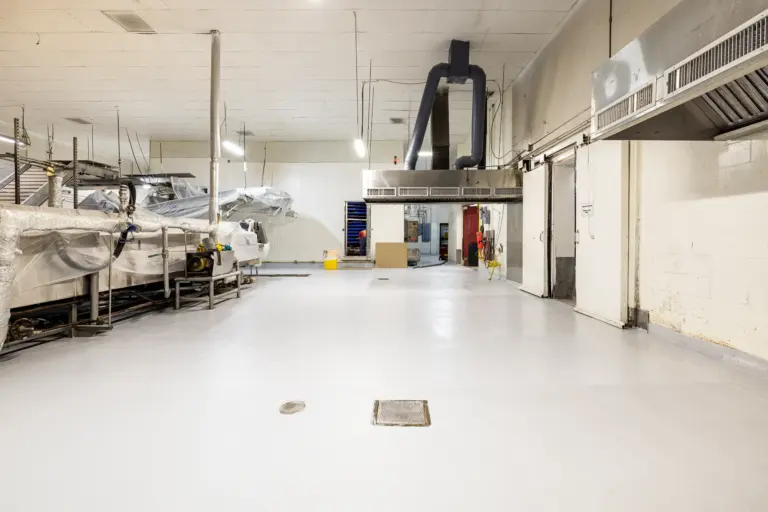
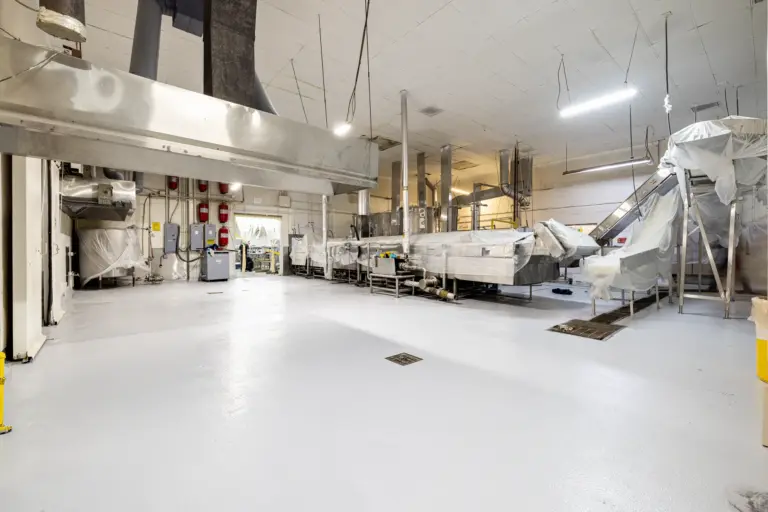
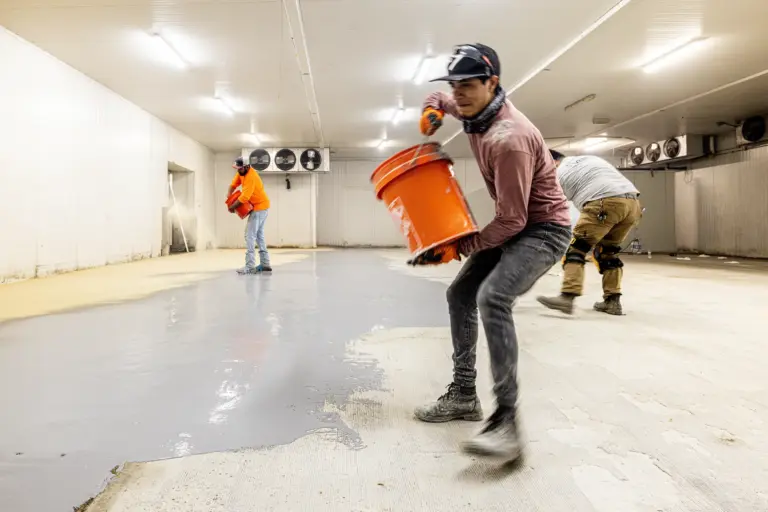
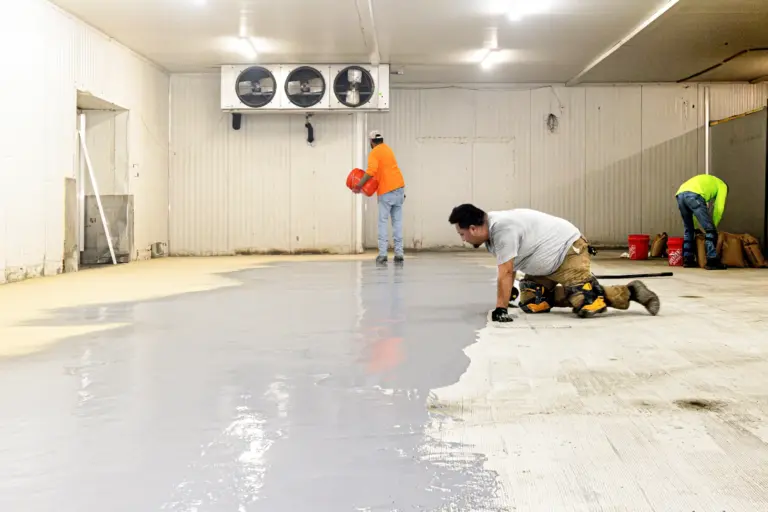
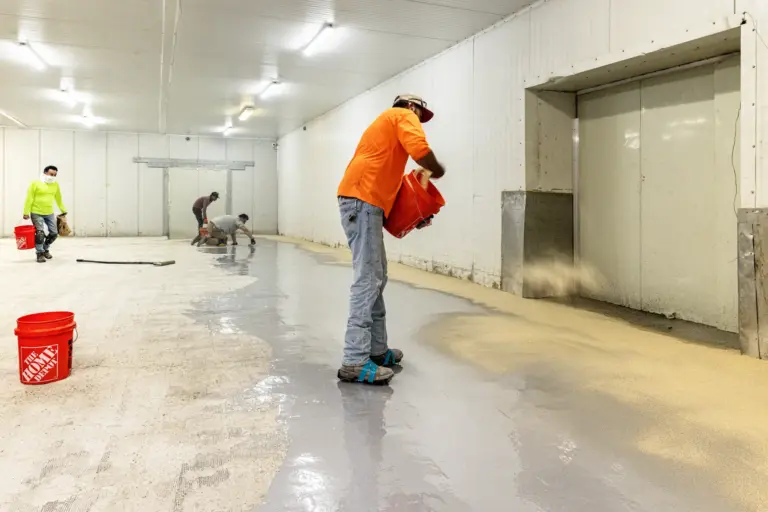
Craftsman has been installing bakery flooring since 1999. Projects across production zones — mixing floors, dough lines, makeup tables, proofing rooms, and oven adjacency — and across packaging halls, ingredient storage, allergen-segregated zones, freezer transitions, returns and rework rooms, and wash bays. In-house W-2 crews mobilize nationwide. Surface prep is shot blast or diamond grind to ICRI 310.2 CSP 4-5. Slab moisture is verified with ASTM F2170 in-situ probes before primer goes down. Slip resistance comes from broadcast aggregate sized for wet conditions and oil contamination — bakeries put pan oil, water, and flour on the floor in the same shift, creating a slippery surface that topical anti-slip coatings strip off under sanitation chemistry. Installation runs 3-5 days per area, with foot traffic returning at 12-24 hours and full chemical service within 72 hours of final coat. Pricing for installed UC sits in the $8-15/sqft range.
Our Clients




















urethane Cement Installation Gallery
Request a Proposal
Submit project parameters for preliminary analysis. Commercial estimates typically returned within 24 hours.
urethane Cement Flooring Knowledge Center
Resource links
Sherwin-Williams Poly-Crete Systems
Sika Ucrete Systems
Industries Served
Technical Performance
Selection & Standards
Costs, Comparisons & Legacy Names
Frequently Asked Questions
Installed UC pricing for bakeries runs $8-15/sqft. The drivers inside the range are system thickness (1/4″ mortar in most production areas, 3/8″ heavy-duty mortar at oven adjacency and high-traffic dough lines, 3/16″ slurry in lower-load areas like ingredient storage), integral cove base linear footage, drain count, allergen zone color coding scope, and substrate condition. Bakeries with extensive allergen segregation programs and color-coded zoning land toward the upper end of the range. Wholesale and commercial production bakeries with simpler zoning land in the middle.
Bakery floors take epoxy apart through chemistry the resin wasn’t formulated for and thermal loads most spec sheets underestimate. Vegetable oils used in dough conditioning and pan-greasing penetrate the epoxy matrix and soften it from the inside over twelve to eighteen months. Sugar pools at low spots and crystallizes in seams during washdown cycles, chalking the surface. Flour-and-water slurry wears the coating where dry flour meets washdown water. Organic acids from sourdough and fermentation attack the resin matrix the same way they attack dairy plant floors. Then thermal shock from 140-180°F caustic washdown hitting warm-to-hot oven-adjacent floor at 120-160°F generates 150°F+ differentials that delaminate rigid coatings at the bond line. Cementitious urethane handles all of it.
Yes. UC systems meet USDA acceptance for federally inspected bakery production — applicable to ready-to-eat products with meat content like meat pies, sausage rolls, and breakfast sandwiches — and FDA 21 CFR 175.300 for incidental food contact across all bakery sub-segments. The seamless, non-porous, monolithic-cove-base construction supports HACCP, SQF, and BRCGS program requirements. For infant formula and medical food bakery sub-segments with higher compliance specs, the system documentation supports those programs as well.
Yes. UC accepts pigmented topcoats in standard food-safe color palettes, which makes color-coded allergen zoning straightforward. Common bakery zoning uses different colors for wheat, nuts, dairy, soy, egg, and gluten-free production lines, with the color zoning helping operators visually segregate processing areas, document allergen control during third-party audits, and reduce cross-contact risk. The color is part of the topcoat — not a coating applied over the system — so it doesn’t wear off or strip under sanitation chemistry.
Anywhere production chemistry, thermal load, or sanitation washdown is part of the operating reality. Mixing floors and dough lines absorb the oil, sugar, flour, and organic acid load. Proofing rooms run warm and humid with yeast slurry. Oven floors and adjacent zones live with the thermal load. Daily washdown and allergen control drive the packaging hall spec. Freezer transitions cycle hot-to-cold. Ingredient storage carries forklift traffic and chemical spills. Allergen-segregated zones need color-coded surfaces. Returns, rework, and wash bays see the heaviest chemical loads in the facility.
Nationwide installation. Estimating and scheduling coordinated through Dallas headquarters. In-house W-2 crews mobilized to project sites. Craftsman Concrete has been installing industrial flooring since 1999.
Blog
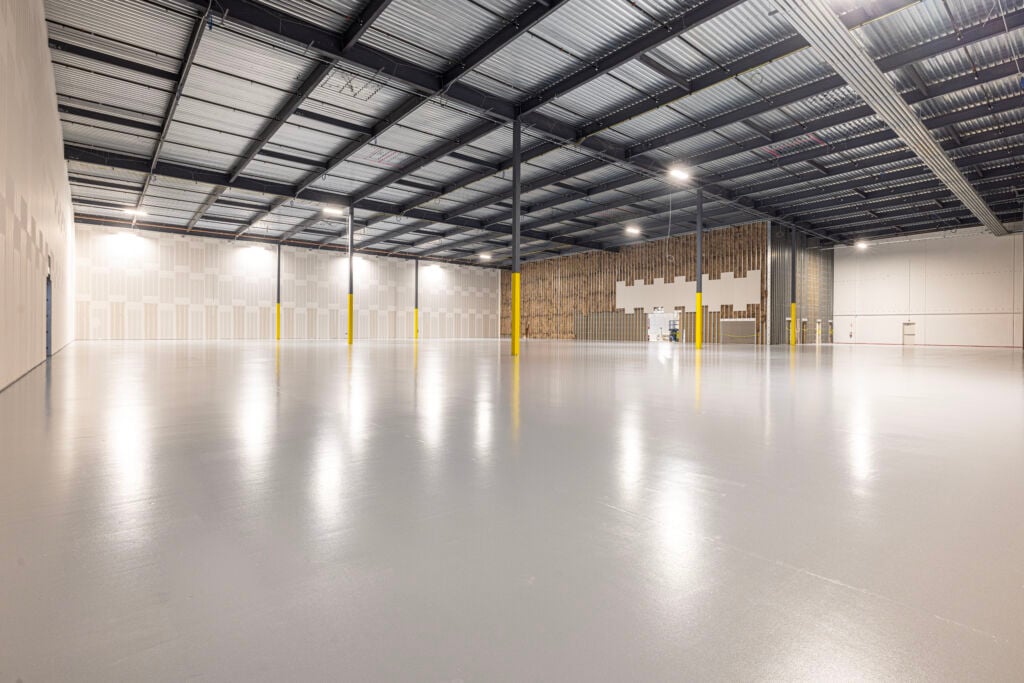
ESD Epoxy Flooring Case Study: 34,000 SF Dallas, TX
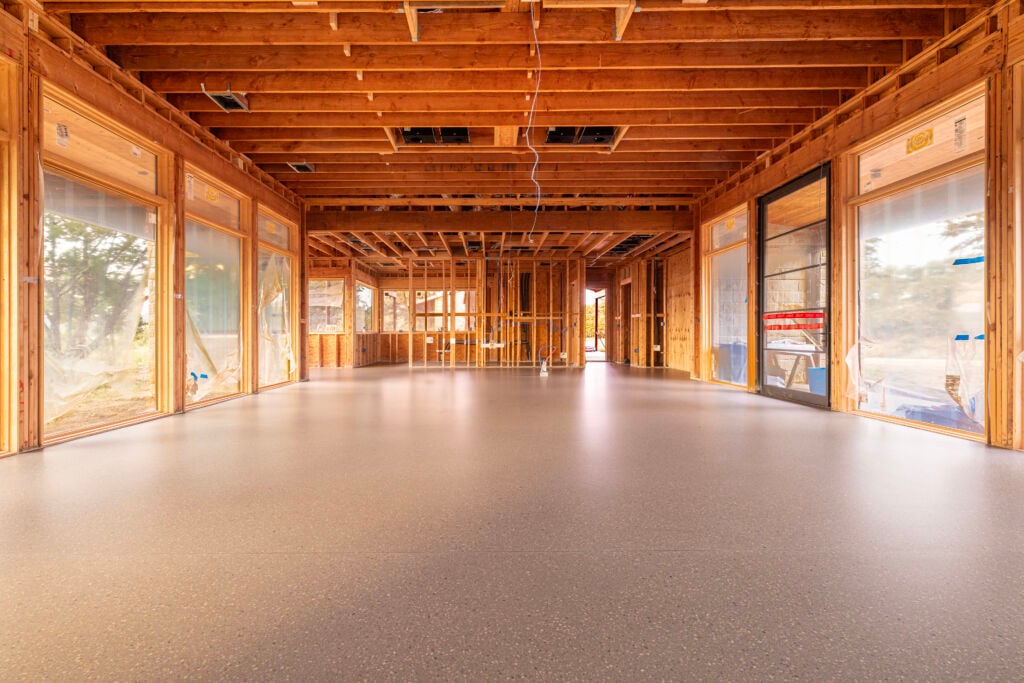
Residential Terrazzo Floors in Fort Worth, Texas