- Founded in 1999 • National commercial & industrial technical flooring contractor
- High-spec systems: ESD/static-control flooring, urethane cement, terrazzo, polished concrete, resinous flooring & coatings, and concrete overlays
- In-house W-2 installation crews provide national service coverage
- W-2 installers, not 1099 day-labor • Trained, insured, and accountable to you
- The same core workforce model, installation leadership, training system, documentation path & safety accountability can carry across phased and multi-site programs
- Since current ownership began in 2018, zero OSHA-reportable incidents and no workplace injury requiring medical treatment beyond first aid
- Current prequalification documents available through controlled review, including COI, W-9, safety information & other current qualification records
- Commercial estimates are typically returned within 24 hours; complex bids may take longer
Company: Craftsman Concrete Floors
Phone: +1 (844) 687-1961
Email: projects@craftsmanconcretefloors.com
Headquarters: 1011 Folsom Street, Dallas, TX 75208
Hours: Mon–Fri 8 am–5 pm
Precast terrazzo is terrazzo fabricated as individual elements—stair treads and risers, landings, cove base, wall panels, and countertops—rather than poured in place as a floor. Craftsman Concrete Floors fabricates all of its precast terrazzo in-house, and the same company casts, grinds, polishes, and installs every piece.
Precast terrazzo is a major Craftsman business line, and it serves projects in two ways. Fabricated elements can complete a poured-in-place terrazzo installation by carrying the material up staircases, base details, and walls, or they can stand alone as their own scope in a building with no poured terrazzo at all.
Our Clients




















What Craftsman Fabricates in Precast Terrazzo
Craftsman’s precast scope covers stairs and treads, countertops, wall panels and cladding, cove base, and related precast elements.
Stair Treads, Risers, and Landings
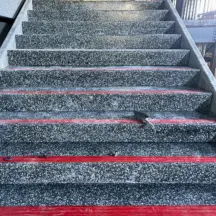
Precast terrazzo stairs are cast as individual treads, risers, and landings, then ground and polished before they reach the site. Each piece arrives at its finished geometry, so stair dimensions and profiles are settled during design and fabrication rather than formed in the field. On projects with a poured terrazzo floor, precast stairs continue the material through the building’s vertical circulation; on stair-only projects, they are specified as a standalone package.
Precast terrazzo stairs: $80–135 per square foot. That range applies to precast stair work specifically and does not describe terrazzo flooring. Installed flooring costs are covered in the terrazzo floor installation cost guide.
Cove Base and Wall Elements
Precast terrazzo cove base replaces the hard corner where floor meets wall with a rounded terrazzo transition, so the junction can be cleaned without soil collecting in a square seam. It finishes a terrazzo installation in its own material and is commonly specified where floor-to-wall junctions get washed down. Craftsman also casts wall panels and cladding, along with straight base and related vertical elements, where a design carries terrazzo above the floor line.
Precast terrazzo cove base: $28–35 per linear foot. That figure applies to cove base only and is not convertible into a square-foot terrazzo price.
Countertops and Related Fabricated Pieces
Terrazzo countertops come from the same in-house fabrication as Craftsman’s stair and base work, cast and polished for kitchens and baths. For finishes, design options, and planning detail specific to that element, see terrazzo countertops.
The scope also includes related precast elements beyond the named groups. Whether a particular custom piece can be cast is settled during initial design and specification review with a project specialist.
Design Coordination and Appearance Expectations
Aggregate, Color, and Divider Selections
Aggregate size, binder color, and metal detailing are specification decisions for precast elements just as they are for floors. Published aggregate gradations run from sizes 0 through 5; Venetian terrazzo uses sizes 1 through 5. Epoxy-terrazzo divider strips may be zinc, brass, plastic, or aluminum, as documented in the Terrazzo Systems Reference Guide. System design still governs aggregate size and divider compatibility.
Scale is worth reviewing when a blend chosen from flooring samples moves onto fabricated pieces. Treads, base profiles, and counter edges present smaller visible faces than an open floor, so the selected aggregate size should be checked against the actual elements being cast before fabrication begins.
Samples and Selection Support
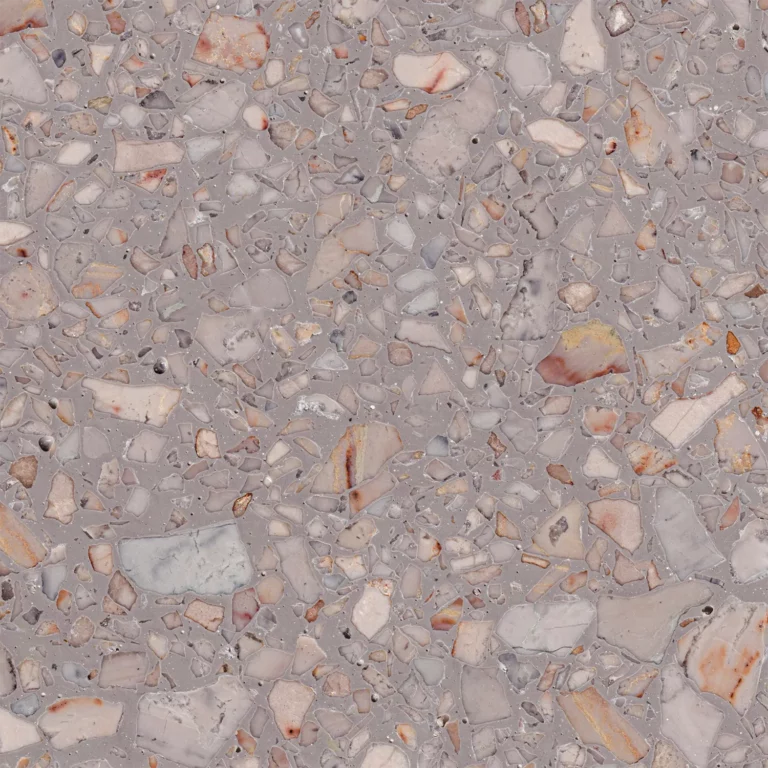
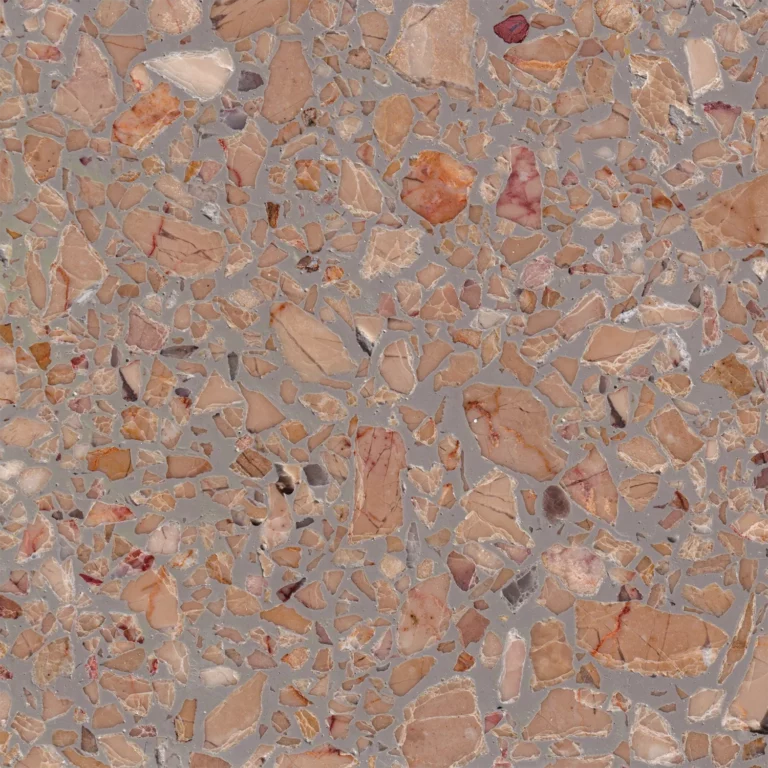
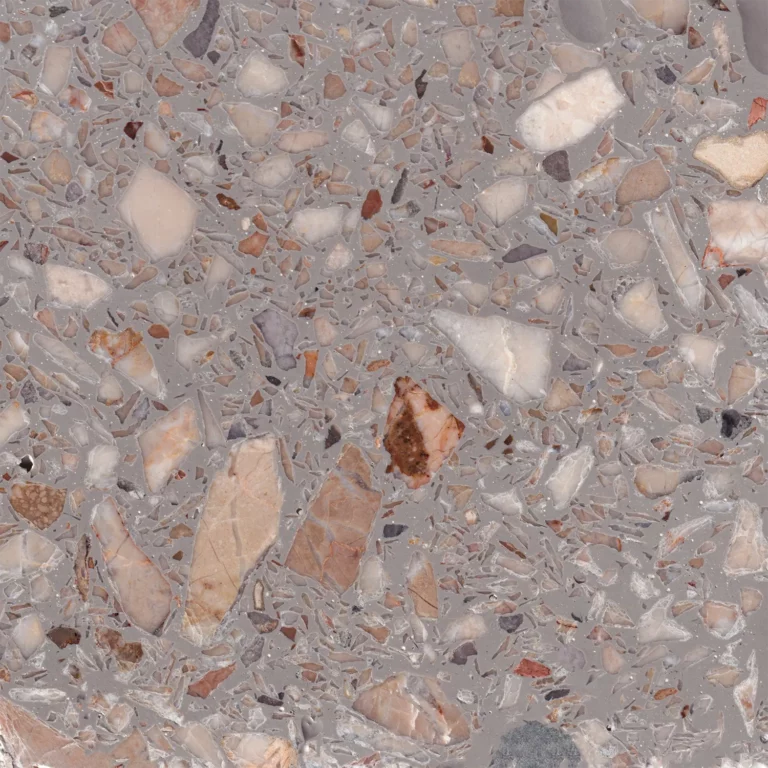
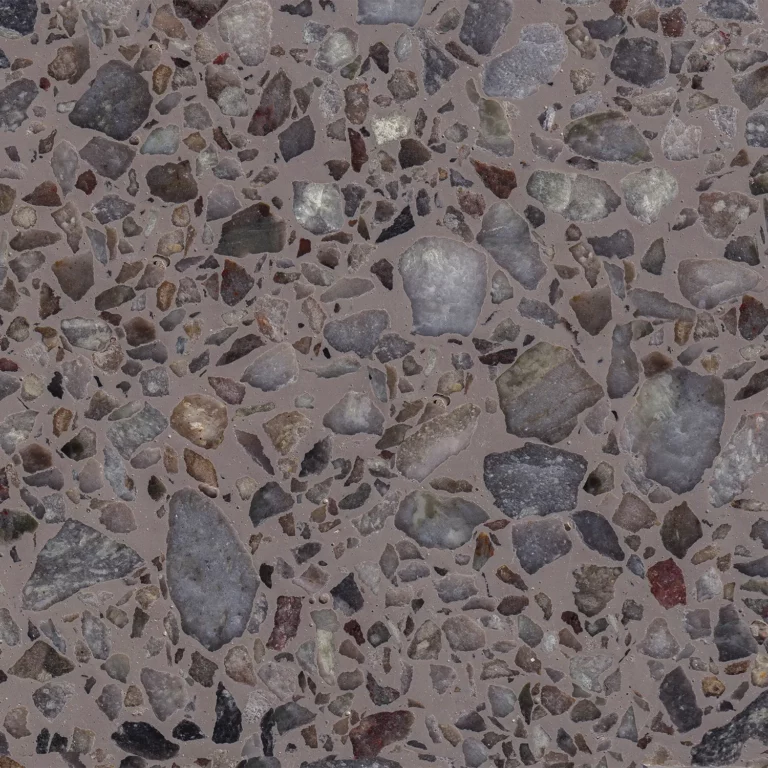
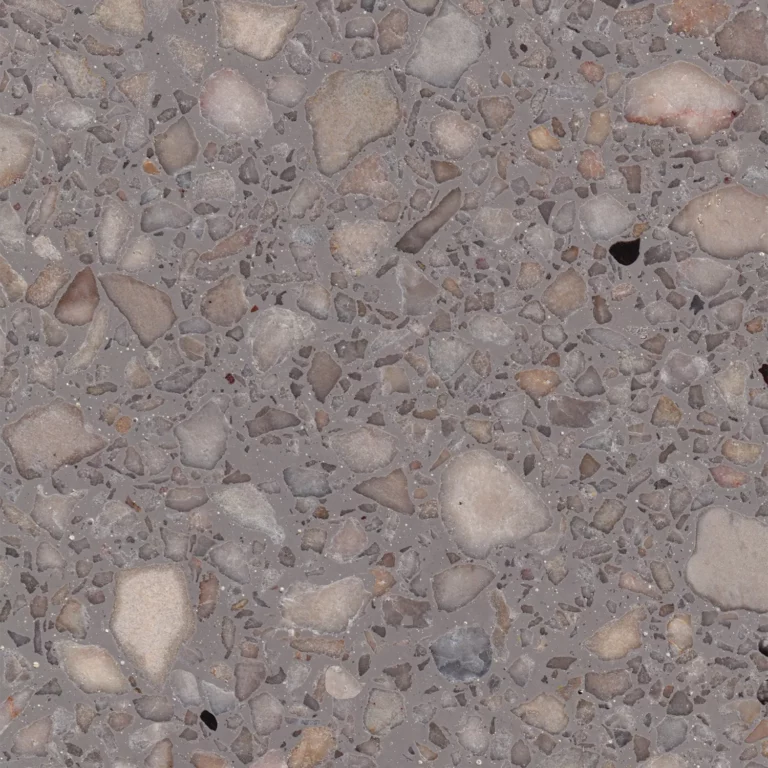
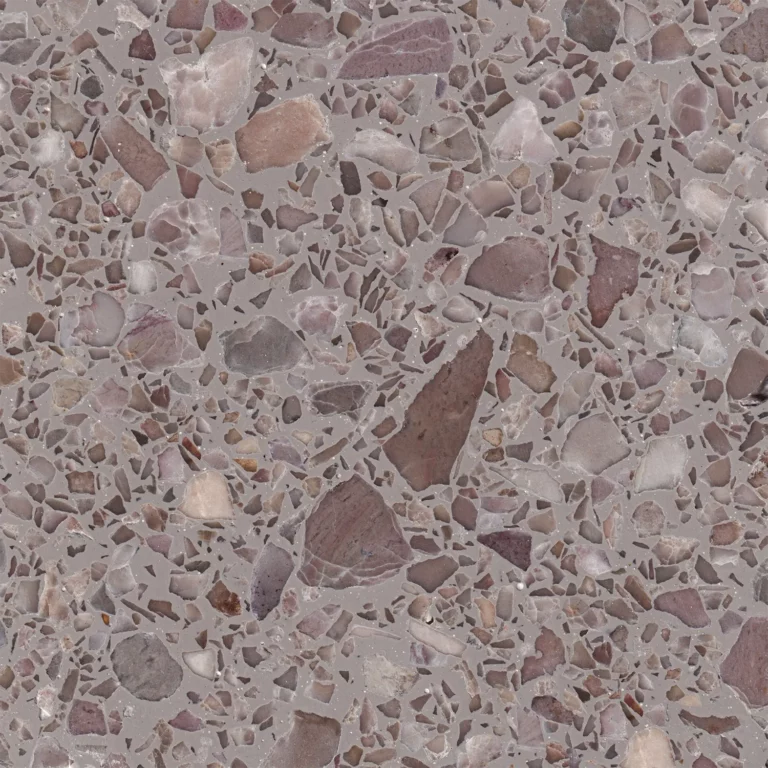
Aggregate blends, binder colors, and coordination against existing material are selection questions, and settling them early protects the schedule because a precast element cannot be re-specified after it is cast. Physical sample review and existing-floor matching support are covered under terrazzo samples, and custom design development is covered under terrazzo design services.
Matching Limits
An exact, invisible match between new precast elements and an existing terrazzo floor is not something Craftsman promises. Aggregate and color selections can be coordinated closely against the existing material, and the realistic goal is a deliberately coordinated appearance rather than an undetectable one. Where the real need is repairing damage inside an existing floor rather than adding new fabricated pieces, that work belongs with terrazzo restoration.
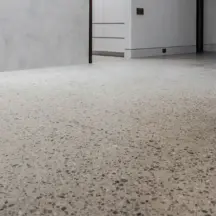
Terrazzo Floors Gallery

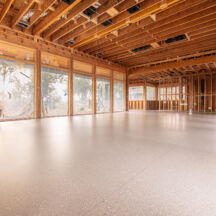
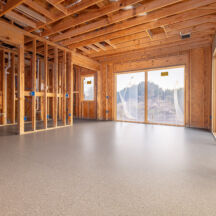
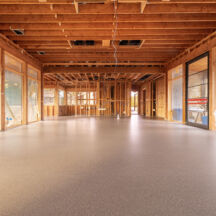



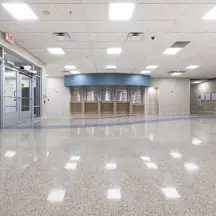
Terrazzo Samples
Request a Proposal
Submit project parameters for preliminary analysis. Commercial estimates typically returned within 24 hours.
Planning, Lead Time, and Installation
Dimensions and Interfaces Are Fixed Before Casting
A precast element is fabricated to final geometry before installation, which moves dimensional decisions earlier in the project than field-formed finishes require. Stair pieces must agree with the structure that carries them, base must agree with the wall and floor conditions it meets, and counters must agree with their supporting cabinetry and cutouts. Where precast elements meet a poured terrazzo floor, the interface between the two scopes belongs in the project documents, so the floor and the fabricated pieces are designed together rather than reconciled in the field.
Fabrication Lead Time and Sequencing
Casting, grinding, and polishing happen before installation, so precast enters the project schedule earlier than an on-site finish trade would. The practical sequence is design selections and dimensions first, fabrication next, and installation when the site is ready for it. Fabrication time depends on the elements, quantities, and design of the package, so schedule expectations are set project by project. Because the same company fabricates and installs the pieces, the fabrication schedule and the site schedule are coordinated rather than handed between vendors.
Field Conditions and Occupied Buildings
When stair, base, or counter work happens in a building that stays open, scheduling and site controls matter as much as the pieces themselves. Where the project scope includes them, Craftsman can perform or coordinate substrate and site-condition review, surface preparation, moisture evaluation and mitigation, phased work in active or occupied facilities, and night or weekend shutdown-window work. Day, night, weekend, and phased schedules are supported when the project schedule and committed resources allow it.
Repair and Replacement
Because precast terrazzo installs as discrete pieces, an individual damaged element can be replaced without disturbing an entire floor. Whether repair in place or replacement makes more sense depends on the element’s actual condition, and a replacement piece is new material set beside older material, so the same coordination limits that apply to new precast beside an existing floor apply here as well. Broader repair and refinishing of existing terrazzo is handled through terrazzo restoration.
How Craftsman Delivers Precast Terrazzo
Fabricated and Installed by One Company
Precast terrazzo is a major Craftsman business line, and all of it is fabricated in-house rather than purchased from an outside fabricator. Because the company that casts each piece also grinds, polishes, and installs it, responsibility for dimensions, finish quality, and schedule sits in one place from fabrication through final set. On projects that pair a poured terrazzo floor with precast stairs and base, that same organization is answerable for both the floor and the fabricated pieces.
Starting a Precast Project
Initial consultation and initial design and specification assistance are available at no cost, and a project specialist responds within one business day. With basic project size, system, condition, and schedule inputs, Craftsman can usually provide a preliminary installed-cost range during the initial call or within a few hours; a preliminary range is not a formal proposal or a guaranteed price. For precast, the useful starting inputs are the elements involved, approximate quantities or dimensions, the design direction, and the building’s operating constraints.
Terrazzo Knowledge Center
Resource links
Systems & Selection
Project Planning & Delivery
Where Terrazzo Is Used
Design & Specification
Restoration & Maintenance
Performance, Safety & Sustainability
Frequently Asked Questions
Precast elements can be coordinated closely with a poured terrazzo floor through shared aggregate and color selections, but an exact, invisible match is not guaranteed. Principal terrazzo formats include poured epoxy terrazzo, poured cementitious terrazzo, precast terrazzo elements, and terrazzo tile; the formats are not interchangeable, and coordination happens through design selections rather than by substituting one format for another.
Existing terrazzo can often be repaired, re-ground, or repolished when its condition permits, and repair is not always possible or preferable. Because precast elements are discrete pieces, replacing an individual damaged tread or base section is also an option, with new material subject to the same coordination limits as any new casting set beside older terrazzo.
No. Craftsman does not set or install terrazzo tile as a standalone service, and small-format terrazzo tile is not a Craftsman service. Craftsman’s precast terrazzo scope covers fabricated elements: stairs and treads, countertops, wall panels and cladding, cove base, and related precast pieces.
Blog
Craftsman Publishes 2026–2027 ESD Flooring Technical Guide
ESD Epoxy Flooring Case Study: 34,000 SF Dallas, TX