What can we help you with?
Technical flooring, delivered directly
- ESD flooring, urethane cement, terrazzo, and polished concrete
- In-house W-2 installation crews and experienced field leadership
- National service coverage with project-specific staffing plans
- Testing, documentation, and defined project closeout
- Dedicated support for corporate procurement and multi-site contracting
Phone: +1 (844) 687-1961
Establish the Requirements Before Selecting a System
ESD flooring requirements depend on the work performed in an area, the equipment and materials present, and the facility’s grounding and acceptance criteria. Define those requirements before selecting a conductive or static-dissipative system.
Craftsman Concrete Floors works with facilities, engineering and ESD program teams to translate those requirements into a flooring scope: substrate preparation, materials, grounding details, installation sequencing and assigned testing.
A useful project brief identifies the operating conditions the floor must accommodate and the evidence required for acceptance.
| Requirement | What to establish |
|---|---|
| Facility operation | Processes, products and areas requiring static control |
| Electrical performance | Required test methods and measurements, resistance limits and governing specifications |
| Personnel grounding | Footwear, work patterns and qualification of the footwear–flooring combination used for personnel grounding |
| Mobile equipment | Carts, casters and equipment requiring a defined grounding path |
| Operating environment | Expected temperature and humidity, including dry-room conditions, and the applicable environmental conditions for testing |
| Chemical exposure | Process chemicals, cleaning agents and likely spills |
| Traffic and loading | Pedestrian routes, forklifts, wheel types and concentrated loads |
| Existing substrate | Slab condition, coatings, contamination, joints and moisture conditions affecting surface preparation and installation |
| Grounding | Approved connection details and assignment of grounding work and coordination responsibilities |
| Hazardous operations | Flammable materials, combustible dust or explosives requiring hazard-specific flooring and grounding evaluation |
| Installation access | Available work zones, occupied-facility phasing and shutdown windows, and return-to-service requirements |
| Acceptance | Test methods, criteria, closeout documentation and acceptance responsibilities |
Distinguish Floor Resistance from Personnel-Grounding Performance
A floor’s resistance classification does not establish how a person will perform while wearing particular footwear on that floor. The project must distinguish the installed flooring from the complete person–footwear–flooring combination.
Installed-Floor Resistance Testing
Installed-floor resistance testing under ANSI/ESD STM7.1-2020 covers flooring resistance measurements, including resistance to a groundable point and point-to-point resistance.
System Resistance Testing
System resistance testing under ANSI/ESD STM97.1-2025 covers resistance through the person, footwear and flooring combination.
Walking-Voltage Testing
Walking-voltage testing under ANSI/ESD STM97.2-2016 covers the body voltage generated while a person walks in the tested footwear on the flooring.
Selecting the Methods
Select the applicable methods and acceptance criteria before installation. Craftsman performs the testing assigned to its scope and coordinates separately assigned reports. Not every project automatically receives every method.
Our ESD flooring testing guide explains the measurements and their roles in qualification, acceptance and ongoing verification.
Requirements by Facility Type
The facility’s industry helps identify the questions to ask. The actual process and project specification determine the answers.
Data Centers and Mission-Critical Facilities
Data-center flooring planning starts with the work performed at the walking surface: equipment assembly, servicing, component handling and movement through controlled areas. Identify where personnel grounding is required and which footwear and floor combination will be used.
For raised-access floors, evaluate the walking surface and its grounding arrangement. A coating beneath the access floor does not, by itself, establish a personnel-grounding path for someone standing above it.
Installation planning should address equipment protection, dust control, access routes, work-zone isolation and agreed shutdown windows. These controls help manage disruption; they do not guarantee uninterrupted operations.
See our data-center ESD flooring page for application and installation considerations.
Battery Manufacturing
Map the requirements by process area. Dry rooms, assembly areas and locations exposed to chemicals or heavy traffic may need different flooring properties and installation details.
Where flooring is part of the personnel-grounding system, evaluate the intended footwear and floor combination under the applicable operating conditions. Areas involving flammable materials or combustible dust also require a separate hazard assessment; an electronics ESD specification alone does not resolve ignition risks.
Our battery-manufacturing flooring guide addresses these project considerations.
Semiconductor and Electronics Operations
Identify the devices and processes requiring protection, the facility’s ESD control requirements (such as an ANSI/ESD S20.20-2021 program) and the grounding methods used at each workstation or work area. Coordinate flooring with footwear, workstations and material-handling equipment.
A component’s ESD sensitivity rating should not be treated as a direct substitute for the facility’s personnel-grounding acceptance criteria.
For system selection and project planning, see ESD flooring for electronics manufacturing.
Defense, Munitions and Explosives Facilities
Military and explosives operations require the applicable authority and specification to be identified before setting flooring, footwear and testing requirements. Requirements from different documents should not be combined into a single generic “military-grade” flooring specification.
Use the guide that corresponds to the project’s governing requirements:
| Governing document | Relevant guide |
|---|---|
| DoD Manual 4145.26 (2008, incorporating Change 2, 2018) | Conductive-floor safeguards for ammunition and explosives contractors |
| Army DA Pam 385-64 (2023) | Army conductive-floor construction and testing requirements |
| AFMAN 32-1065 (2020) and DESR 6055.09_DAFMAN 91-201 (2025) | Air Force conductive-floor and grounding inspections |
| UFGS 09 67 23.14 | Conductive sparkproof flooring tests |
These guides explain source-specific requirements for floor construction, grounding, footwear, inspection or testing. The UFGS guide also distinguishes electrical resistance testing from mechanical spark-resistance testing.
For other operations involving flammable liquids, combustible dust or static ignition hazards, start with the hazardous-area flooring and grounding guides.
Nuclear and DOE Facilities
Nuclear and DOE projects need a project-specific requirements review. Identify the facility, work area, governing documents and required approvals before selecting materials or defining acceptance.
The flooring scope should address:
- Applicable static-control and grounding requirements.
- Chemical exposure, cleaning and decontamination requirements.
- Material approval and documentation requirements.
- Site access, work controls and installation sequencing.
- Required inspections, test records and acceptance responsibilities.
For military nuclear facilities subject to the cited Air Force provisions, our Air Force grounding inspection guide includes nuclear-facility inspection responsibilities. Those provisions should not be generalized to every nuclear-power or DOE site.
Any required radiation-resistance or service-life claim must be supported for the proposed flooring system and its intended exposure.
Pharmaceutical and Cleanroom Facilities
Cleanroom and pharmaceutical projects may need flooring to satisfy static-control requirements alongside cleaning, chemical-resistance and contamination-control requirements. Establish each requirement separately and review the proposed assembly against the facility’s specification. See pharmaceutical and cleanroom ESD flooring.
Avionics and Aerospace Electronics
Avionics and aerospace electronics areas should coordinate flooring with component handling, personnel grounding and the customer’s quality and acceptance requirements. See ESD flooring for avionics and aerospace operations.
Plan Installation and Acceptance Together
Agree the flooring assembly, grounding details, inspection stages and acceptance criteria before work starts. Assign responsibility for each test and identify which records must be available at handover.
Testing and Service Readiness
The manufacturer’s requirements govern when the installed system is ready for testing and service. A general cure-time estimate should not replace the selected system’s requirements or the actual site conditions.
Occupied Facilities
For occupied facilities, define work zones, equipment protection, access routes and operational handbacks. Our active-facility installation approach explains how those constraints enter the work plan.
Delivery and Closeout
The ESD project delivery framework connects assessment, submittals, installation and acceptance. The closeout and acceptance guide explains the supporting records and assignment of outstanding actions.
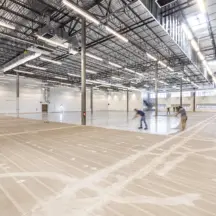
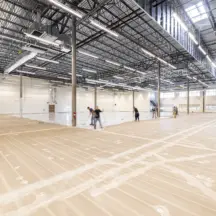
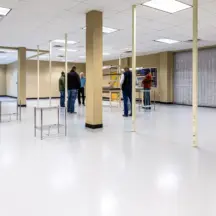
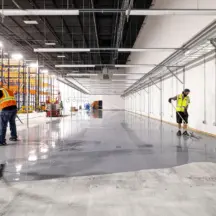
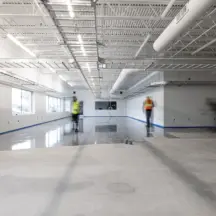
ESD Flooring Gallery

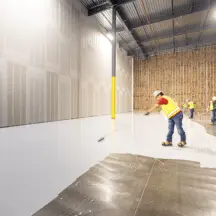
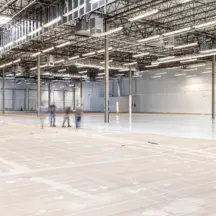
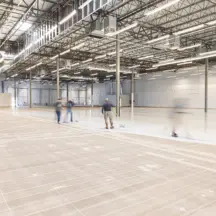
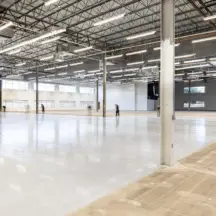
Frequently Asked Questions
No. Required electrical performance depends on the application and governing specification. Conductive and static-dissipative classifications alone do not establish suitability. Where personnel grounding is required, evaluate the intended footwear and flooring combination as well.
Walking-voltage testing depends on the applicable requirements and assigned scope. Installed-floor resistance testing and testing of the person–footwear–flooring combination answer different questions. Establish the required methods and responsible parties before installation.
It can where the operating conditions and requirements are consistent. Facilities with dry rooms, chemical exposure, heavy traffic or hazardous operations may need separate area requirements. Define those differences before selecting the system.
Flooring can be part of the facility’s ESD control program. Its installation or test results alone do not establish compliance for the entire program. The facility must address the other applicable program requirements and maintain its verification process.
The selected manufacturer’s requirements, site conditions and project specification determine the timing. Testing readiness and return to pedestrian, equipment or chemical service may have different requirements.
No. Periodic verification and corrective work are separately scoped. The facility’s ESD program or governing specification establishes the applicable verification requirements and interval.
ESD Flooring Facility Requirements Knowledge Center
Compliance Requirements & Testing
Systems & Selection
Project Planning & Delivery
Where ESD Flooring Is Used
Maintenance & Troubleshooting
Manufacturer ESD Flooring Systems
Case Studies
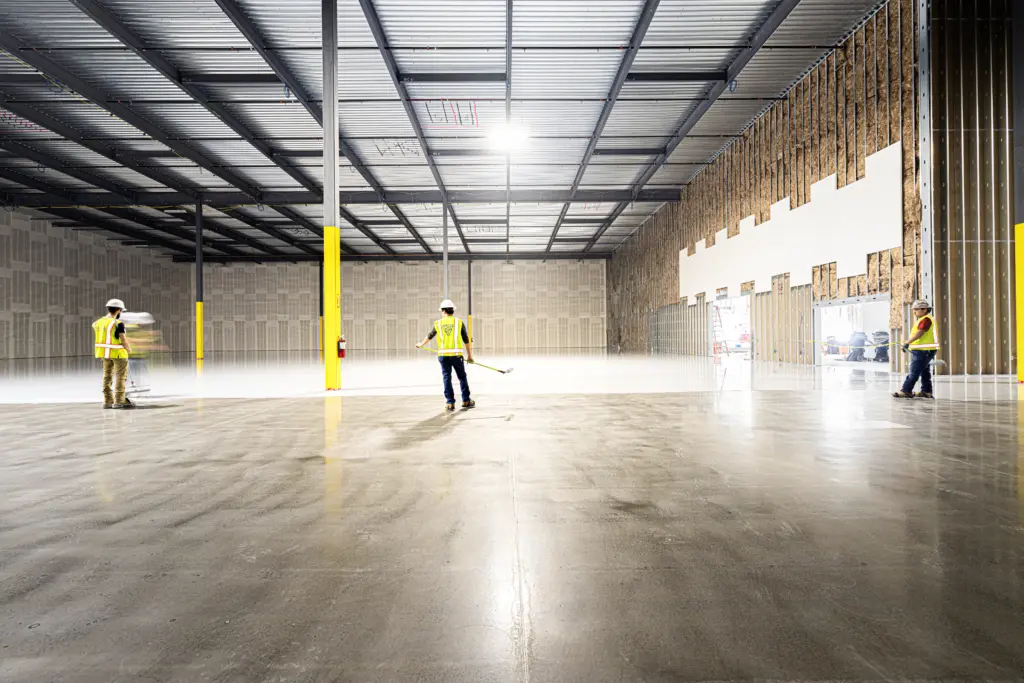
Craftsman Publishes 2026–2027 ESD Flooring Technical Guide
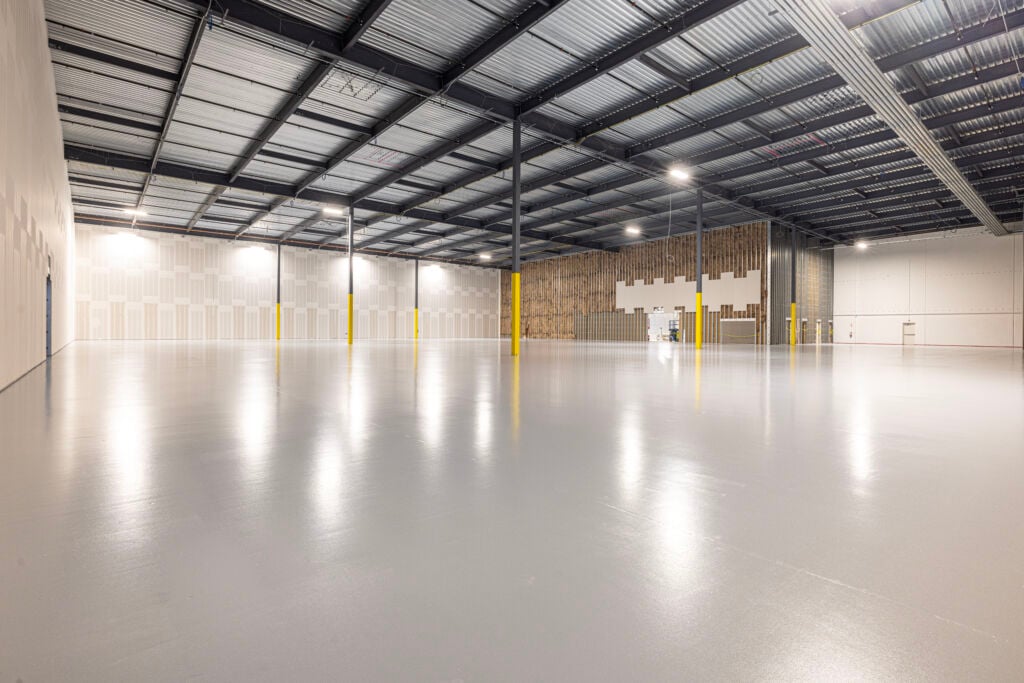
ESD Epoxy Flooring Case Study: 34,000 SF Dallas, TX