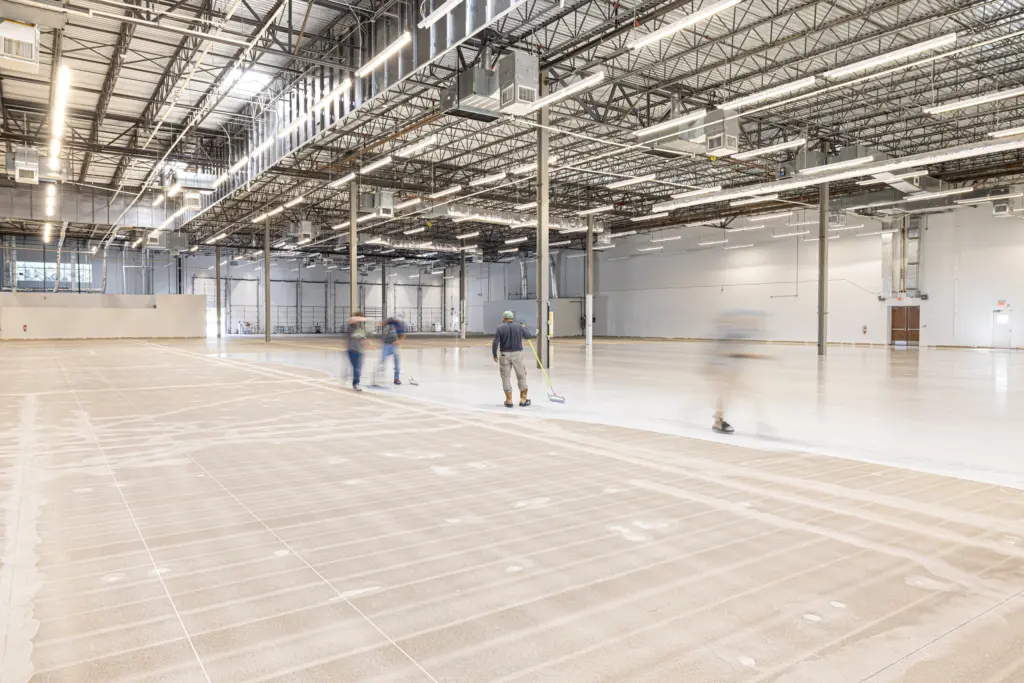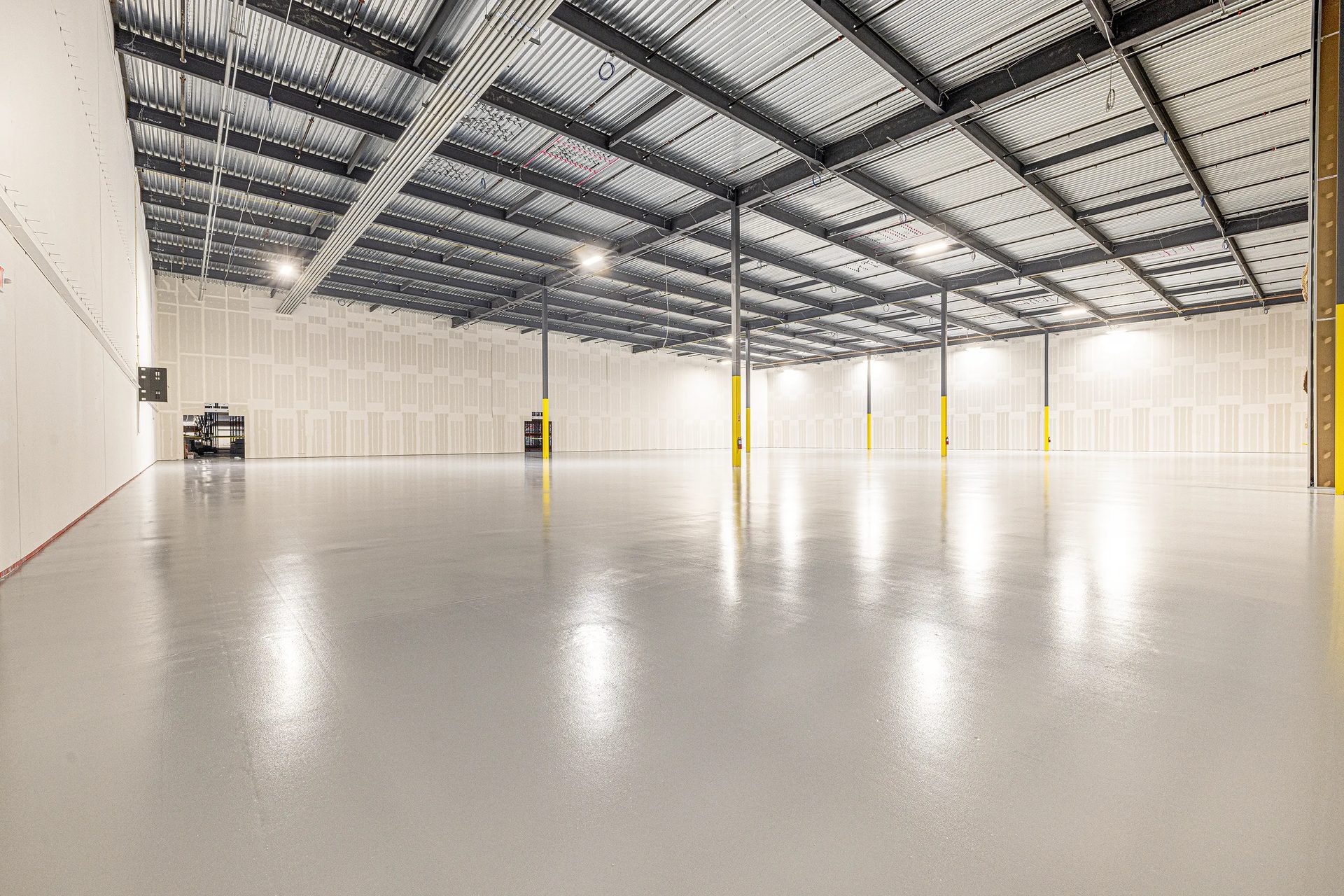
- Installed Cost: $8-15/sqft installed for typical commercial projects, depending on system thickness, vertical, and substrate condition
- Size-Tier Pricing:
- – Under 3,000 sqft: $11-14/sqft installed
- – 3,000 to 10,000 sqft: $8-12/sqft installed
- – 10,000 to 50,000 sqft: $5-9/sqft installed
- – 50,000+ sqft: $4-8/sqft installed
- Included in the Quote:
- – Surface prep to ICRI 310.2 profile
- – ASTM F2170 in-situ moisture verification
- – Primer, mortar, integral cove base, topcoat
- – Audit-ready closeout documentation
- Quoted Separately:
- – Substrate repair beyond standard prep
- – Drainage modification
- – Equipment relocation and trade coordination
- – Specialty topcoats
- System Thickness: 1/8″ light-duty to 3/8″ heavy-duty; 3/16″ to 3/8″ standard
- Service Life: 25+ years documented
- Operating Range: -40°F to 250°F, 150°F+ thermal shock differential
- Lead Time: 1-3 weeks from contract execution
- Installation: Phased zone-by-zone install around active operations; 24-hour cure-and-return-to-service on self-leveling systems
- Crews: In-house W-2 crews mobilize nationwide
- vs Epoxy: Epoxy installs at $4-8/sqft but delaminates in 12-24 months under thermal shock — UC is the lower 25-year cost
- Installing Since: 1999
Phone: +1 (844) 687-1961
Urethane cement cost per square foot runs $8 to $15 installed for a typical commercial project. That urethane cement flooring cost covers the full installed system: surface preparation, primer, the cementitious urethane mortar, integral cove base, and a topcoat rated for the facility’s chemistry. Where a specific project lands inside the $8-15 per square foot installed band depends on three things you control and one you don’t: project size, system thickness, substrate condition, and the vertical the floor serves. A 40,000-square-foot processing plant on a sound slab prices very differently from a 2,000-square-foot kitchen over a cracked, oil-soaked substrate.
Buyers reach this page asking the same question different ways: urethane cement price, urethane concrete flooring cost, urethane mortar cost, cementitious urethane price. The answer is the same regardless of the phrasing. Craftsman Concrete Floors has installed industrial urethane cement since 1999, and the pricing on this page comes from real project scope, not a catalog markup. Cost per square foot drops as a project gets larger and the geometry gets simpler, because mobilization and setup spread across more area. A small remote job carries a higher per-foot number than a large open processing floor. The size-tiered breakdown below shows where a project falls on that curve.
$8-15 Per Square Foot Installed: The Typical Commercial Project Range
The $8-15 per square foot installed range is the typical commercial band, the number that fits most food processing, beverage, kitchen, and pharmaceutical floors Craftsman installs. It is a turnkey figure: it includes the labor and the material, not just the bucket cost of resin. Two projects of identical square footage can sit at opposite ends of the band depending on thickness, substrate, and finish. The subheads below break down what the installed number buys and where the real outliers sit.
What “$8-15 Per Square Foot Installed” Covers
The urethane cement flooring cost per square foot installed is a turnkey number. It covers crew labor, the full material stack, and substrate preparation to an ICRI 310.2 surface profile, the mechanical key the mortar bonds to. It includes in-situ moisture verification per ASTM F2170 before any material goes down, primer, the urethane cement mortar at spec thickness, integral cove base where the floor meets the wall, and the topcoat. It also includes the closeout package: substrate moisture logs, surface-profile verification, and cove base documentation an auditor or plant engineer can file. Nothing in that list is an add-on line item. It is what installed means.
Size Outliers: Below $8 and Above $15
The $8-15 band describes typical projects, not every project. A very large, open, simple-geometry floor, such as a 50,000-square-foot processing hall with no equipment to work around, can run into the $4 to $8 per square foot installed range because the crew covers more area per setup. At the other end, a small job under a few thousand square feet, or a job in a remote location requiring travel and per-diem for the W-2 crew, can run above $15. Both outliers are real and both get named in the proposal. The size-tiered detail in the next block shows the full curve.
Per-Square-Foot Quoting vs Lump-Sum Bid
Craftsman quotes urethane cement two ways. A per-square-foot figure works for budgeting and for comparing the floor against other systems early in a project. A lump-sum bid works once scope is fixed: square footage confirmed, substrate assessed, drainage and cove base linear footage measured. The per-foot number and the lump-sum bid describe the same scope; the lump sum simply prices the specific job rather than the band. Procurement teams pricing a budget line get the per-square-foot range; teams ready to contract get the fixed bid against measured scope.
Cost Drivers: Size, Thickness, Substrate, Vertical
Four drivers move a urethane cement flooring cost per square foot inside, and occasionally outside, the $8-15 band. Size sets the baseline, thickness and finish set the material load, substrate condition decides how much prep the slab needs, and the vertical dictates the spec. None of them is a hidden surcharge. Each one is a physical fact about the job that changes how much material and labor the floor requires. Naming them up front is how a procurement officer or spec engineer builds an accurate budget before a walkthrough ever happens.
Project Size: The Largest Single Driver
Project size is the largest single driver of cost per square foot, because crew mobilization and setup are close to fixed regardless of area. Spread across more square footage, the per-foot number drops. The size tiers Craftsman works from: under 3,000 square feet runs $11 to $14 per square foot installed; 3,000 to 10,000 square feet runs $8 to $12; 10,000 to 50,000 square feet runs $5 to $9; and 50,000 square feet and up runs $4 to $8. The $8-15 typical band straddles the small-to-mid range where most commercial projects land.
System Thickness and Finish: Slurry to Trowel, Aggregate, Topcoat
System thickness is the second driver. A 3/16-inch self-leveling slurry suits medium-duty processing and costs less in material and labor than a 3/8-inch trowel-applied mortar built for heavy thermal cycling, point loads, and aggressive chemical exposure. Standard urethane cement runs 3/16 inch to 3/8 inch, with a 1/8-inch light-duty option for low-traffic and dry-process zones. Thicker is not automatically better; it is matched to the operational load. A dry-goods packaging area does not need the thickness a kill floor or a hot CIP washdown zone requires, and a large facility can run a thinner light-duty floor across open areas that a compact space would never use, so specifying for the actual load is where thickness either saves or spends money.
Finish selection sits on top of thickness as a cost driver. Aggregate broadcast changes both grip and price: a quartz broadcast carries higher chemical resistance and durability than sand at a higher material cost, and the choice tracks the exposure the floor sees. Topcoat selection moves the number the same way. Polyurethane, polyaspartic, and novolac topcoats sit at different price points, with novolac carrying the highest chemical resistance for aggressive environments. Specifying aggregate and topcoat to the actual chemistry, rather than over-speccing, keeps the finish cost tied to what the floor actually has to resist.
Substrate Condition: New Slab vs Failed-Epoxy Demo
Substrate condition is the driver buyers underestimate most. A sound new slab needs only profiling to ICRI 310.2 and moisture verification per ASTM F2170 before installation. A slab carrying a failed epoxy coating needs that coating demolished and removed first, and the concrete underneath assessed and repaired. Demolition of a delaminated floor, spall repair, and crack treatment are real scope that sits on top of the floor price. A facility replacing a failed epoxy system should budget substrate work separately from the per-square-foot floor cost.
Vertical: Food Processing, Kitchen, Pharmaceutical Cost Variance
The vertical the floor serves shifts cost because it sets the spec. A food processing floor may carry integral slope-to-drain and a chemical-resistant topcoat for organic acid exposure. A commercial kitchen needs slip resistance and thermal shock tolerance for hot CIP and oil. A pharmaceutical floor adds finish and documentation rigor for cGMP environments. Industrial applications track the same $8-15 band, adjusted for the vertical’s load. The vertical pages carry the detail.
Our Clients




















urethane Cement Installation Gallery
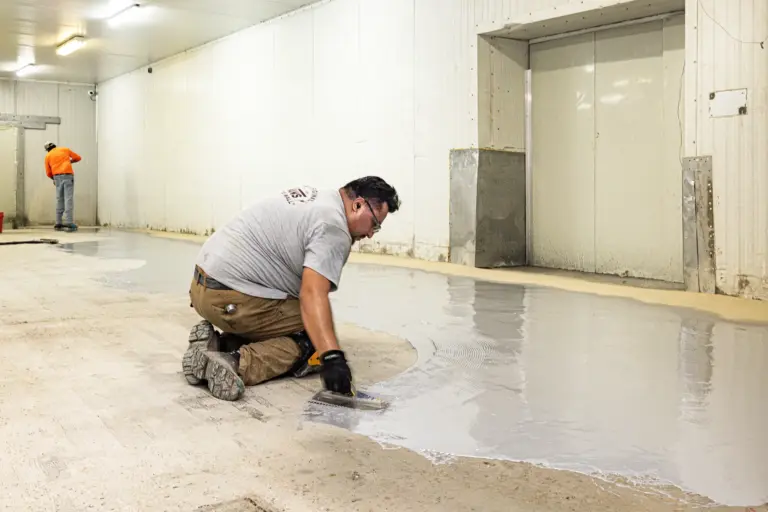
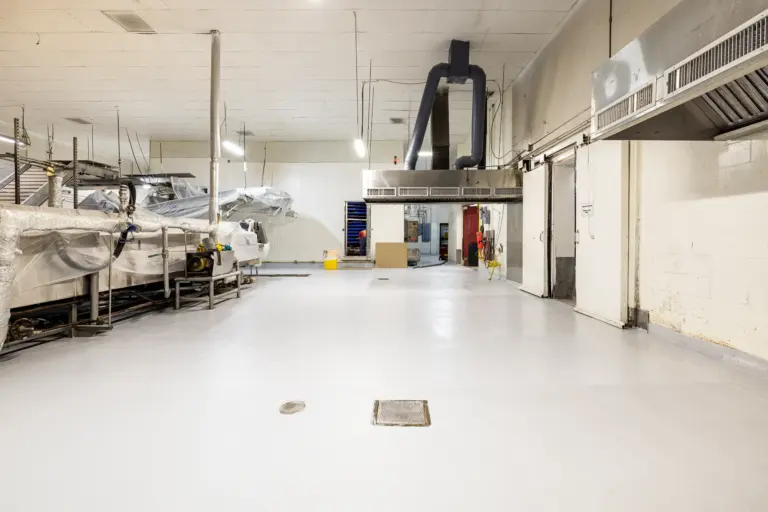
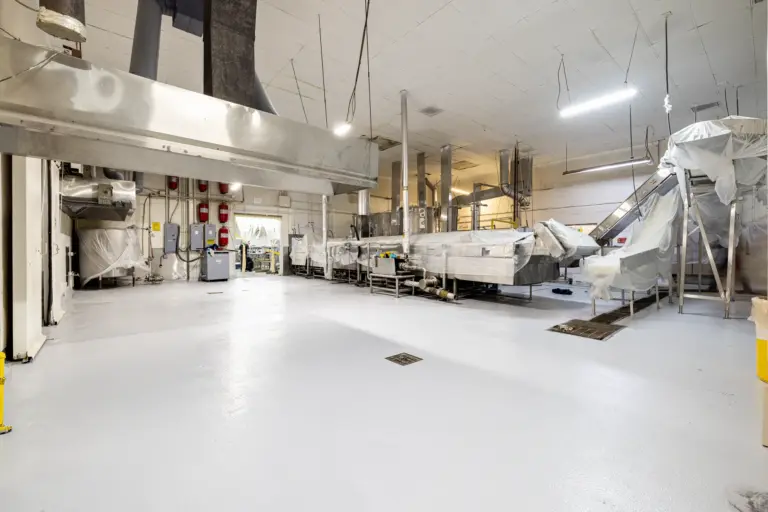
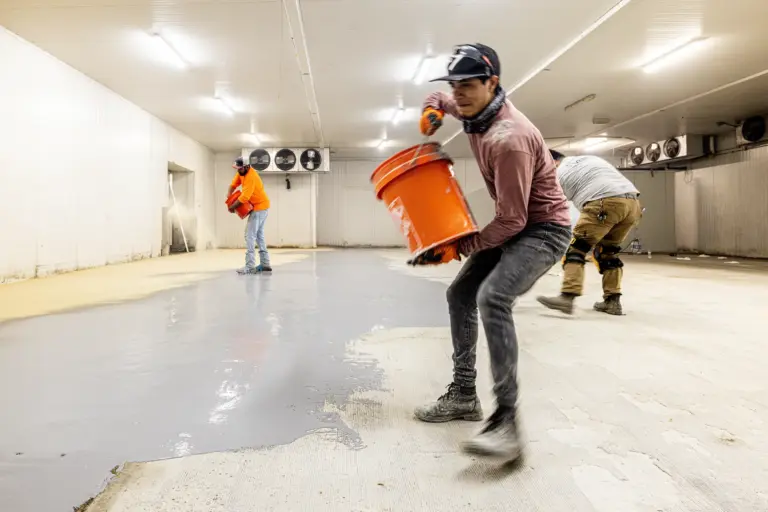
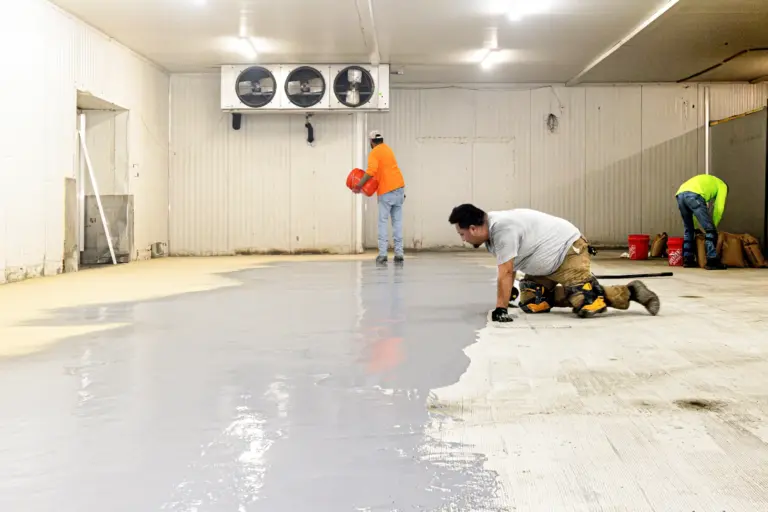
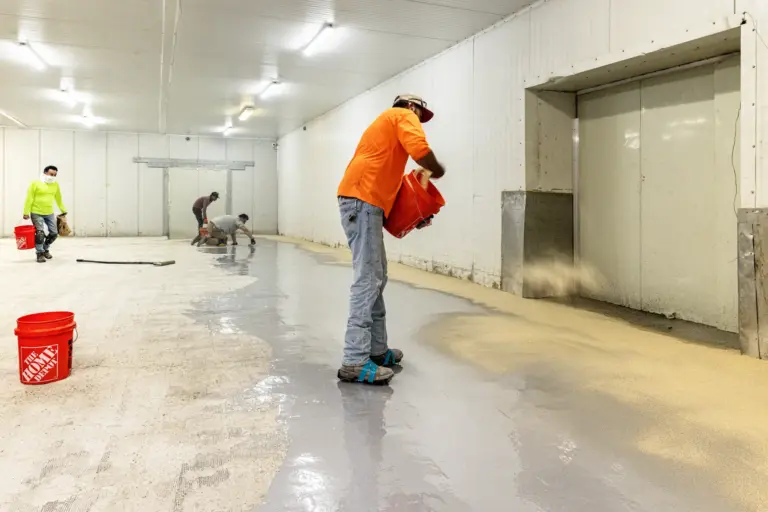
Request a Proposal
Submit project parameters for preliminary analysis. Commercial estimates typically returned within 24 hours.
Total Cost of Ownership: UC vs Epoxy, Quarry Tile, Polished Concrete
Cost per square foot is the question buyers ask first; total cost of ownership is the one that decides the project. A floor that costs less to install but fails in eighteen months and shuts down a production line is the expensive option. Urethane cement’s installed cost sits near epoxy mortar’s, but its 25-plus-year documented service life changes the lifecycle math. The TCO comparison below runs urethane cement against the three systems it most often replaces.
Standard Epoxy: $4-8/SF Installed, Replaced Two-to-Three Times in 25 Years
Standard epoxy installs at $4 to $8 per square foot, lower upfront than urethane cement. It fails in thermal shock environments because a surface temperature differential of 150 degrees or more, from hot CIP washdown against a cold slab, exceeds the tolerance of the resin-to-concrete interface. In the most severe washdown zones delamination can begin within 12 to 24 months; in more typical thermal-cycling service epoxy runs an eight-to-ten-year replacement cycle. Either way, across a 25-year window an epoxy floor in that environment is replaced two or three times. Those replacements, plus the production downtime each demolition and recure forces, cost more than a single urethane cement install.
Quarry Tile: $12-25/SF Installed, Grout Maintenance, USDA Inspection Risk
Quarry tile installs at $12 to $25 per square foot, higher upfront than urethane cement and with a maintenance liability built in. The tile body is durable, but the grout joints are not. Grout harbors bacteria, absorbs organic acids, and degrades under repeated washdown, which is why quarry tile floors draw scrutiny in USDA inspections. Ongoing regrouting and joint repair are a permanent line item. Urethane cement’s monolithic seam-free surface with integral cove base eliminates the joint failure mode entirely, which is the point of the system.
Sealed or Polished Concrete: Topical Wear, No Thermal or Acid Protection
Sealed and polished concrete come in below urethane cement on day one, which is why they get considered for processing floors. They fail the application for a different reason than epoxy: the topical seal wears off under traffic and washdown, and bare or lightly sealed concrete is porous, absorbing organic acids like lactic, acetic, and citric. Neither offers thermal shock protection. In a wet, hot-washdown, acid-exposed processing environment, a polished or sealed slab is resurfaced or replaced on a short cycle, which puts its lifecycle cost above a single urethane cement install.
Urethane Cement Over 25 Years: One Install vs Two-to-Three Replacements
Run the math over 25 years. A urethane cement floor at $8 to $15 per square foot installed is one install with a documented 25-plus-year service life. A standard epoxy floor in the same thermal shock environment is the initial install plus two or three replacements, each one a fresh demolition, fresh substrate prep, and fresh production shutdown. The lower-per-square-foot system becomes the more expensive system once the replacement cycle and downtime are counted. Total cost of ownership, not installed cost alone, is what makes urethane cement the lower-cost floor over the life of a facility.
What’s Included and What’s Quoted Separately
Transparency on scope is what separates an accurate urethane cement quote from a number that grows after the contract. The per-square-foot figure includes a defined set of work; a second defined set is quoted separately because it varies too much by site to fold into a band. Naming both lists up front lets a buyer assemble a real budget and bring the right information to a walkthrough. The three subheads below lay out what is in, what is separate, and what Craftsman needs from you.
Standard Inclusions in the Per-Square-Foot Quote
The per-square-foot installed quote includes surface preparation to an ICRI 310.2 profile, in-situ moisture verification per ASTM F2170, primer, the urethane cement mortar at specified thickness, integral cove base at the floor-to-wall transition, the specified topcoat, and the closeout documentation package. It also includes the labor to install all of it: in-house W-2 crews mobilize nationwide, not subcontracted day labor. Everything required to take a prepared, sound slab to a finished, documented urethane cement floor is inside the installed number.
Quoted Separately: Repair, Drainage, Relocation, Specialty Finish
Quoted separately: substrate repair beyond standard profiling, including spall repair, crack injection, and removal of a failed coating; drainage modification or new trench drain installation; equipment relocation and trade coordination around the install; and specialty topcoats beyond the standard system, such as decorative quartz broadcast or a high-gloss novolac finish. These items are separated not to hide cost but because each one depends on conditions a proposal can only price after a walkthrough or detailed substrate report. They appear as named line items, never as surprises.
What You Provide for an Accurate Proposal
For an accurate proposal, send square footage, the vertical the floor serves, current substrate condition (new slab, existing coating, or bare worn concrete), drainage requirements, and the linear footage of integral cove base in scope. Cove base prices as a linear-foot adder to the floor, so its footage matters to the total. With those inputs, Craftsman returns an accurate proposal within one business day; without them, any number is a guess. Phased zone-by-zone install around active operations is scoped at the same time, since it affects crew scheduling more than per-foot price.
Knowledge Center
Resource links
Sherwin-Williams Poly-Crete Systems
Sika Ucrete Systems
Industries Served
Technical Performance
Selection & Standards
Costs, Comparisons & Legacy Names
Frequently Asked Questions
Urethane cement costs $8 to $15 per square foot installed for a typical commercial project. Where a project lands in that range depends on system thickness, vertical, and substrate condition. Very large simple-geometry floors can run $4 to $8 per square foot installed, while small or remote jobs under 3,000 square feet can run $11 to $14 or higher. The installed figure is turnkey: labor, material, surface prep, mortar, integral cove base, topcoat, and closeout documentation.
The installed quote covers crew labor, surface preparation to an ICRI 310.2 profile, in-situ moisture verification per ASTM F2170, primer, the urethane cement mortar at specified thickness, integral cove base where the floor meets the wall, the topcoat, and the closeout documentation package. Everything needed to take a sound, prepared slab to a finished, documented floor is inside the per-square-foot number.
Substrate repair beyond standard profiling, including spall repair, crack injection, and removal of a failed coating, is quoted separately, as are drainage modification, equipment relocation, trade coordination, and specialty topcoats beyond the standard system. These items vary too much by site to fold into a per-square-foot band, so they appear as named line items priced after a walkthrough or substrate report.
Integral cove base prices as a linear-foot adder to the per-square-foot floor quote rather than a flat rate, because cost varies with cove radius and topcoat. The exact linear-foot figure is set in the proposal once the cove base footage and specification are confirmed. Send the linear footage of cove base in scope along with your square footage for an accurate number.
Crew mobilization and setup are close to fixed regardless of floor area, so spreading them across more square footage lowers the cost per square foot. Under 3,000 square feet runs $11 to $14 installed; 3,000 to 10,000 runs $8 to $12; 10,000 to 50,000 runs $5 to $9; and 50,000 and up runs $4 to $8. Larger, simpler floors price lower per foot than small or complex ones.
Vertical changes cost through thickness, topcoat, and finish requirements rather than through the base system. A food processing floor may add integral slope-to-drain and a chemical-resistant topcoat for organic acid exposure; a pharmaceutical floor adds finish and documentation rigor for cGMP environments. Both track the $8 to $15 per square foot installed band, adjusted for the vertical’s load. The vertical pages carry the detail.
Standard epoxy installs at a lower $4 to $8 per square foot but has a far shorter service life in thermal shock environments, where a 150-degree-plus differential from hot CIP washdown exceeds the resin-to-concrete interface tolerance. Delamination can begin inside 12 to 24 months in the most severe zones and runs an eight-to-ten-year cycle in more typical service. Over a 25-year window, that epoxy floor is replaced two or three times, each replacement forcing demolition and production downtime. A single urethane cement install with a documented 25-plus-year service life is the lower total cost of ownership.
Urethane cement runs $8 to $15 per square foot installed for typical commercial projects as of 2026, with material costs holding stable through the year. Size, thickness, substrate, and vertical still determine where a specific project lands in the range. The size-tiered breakdown on this page shows the full curve for 2026 budgeting.
A project under 3,000 square feet typically runs $11 to $14 per square foot installed, and a small or remote job can run higher once travel and per-diem for the crew are factored in. The per-foot number is higher on small jobs because mobilization and setup spread across less area. A lump-sum bid against measured scope gives the firm figure.
A project over 50,000 square feet typically runs $4 to $8 per square foot installed when the geometry is open and simple, because the crew covers more area per setup and mobilization spreads thin. Equipment to work around, complex layouts, or heavy substrate repair push the figure up from there. Large multi-region rollouts are scoped with remote spec review as standard.
These ranges are estimates based on our experience across hundreds of commercial urethane cement projects, not a fixed price list. The system specified for a large facility often differs from what a small facility uses, so the material and thickness behind one project’s cost do not always carry to another. Outliers occur at both ends of the range. A firm number comes from a walkthrough or detailed substrate report against your actual square footage, vertical, and substrate condition.
Blog
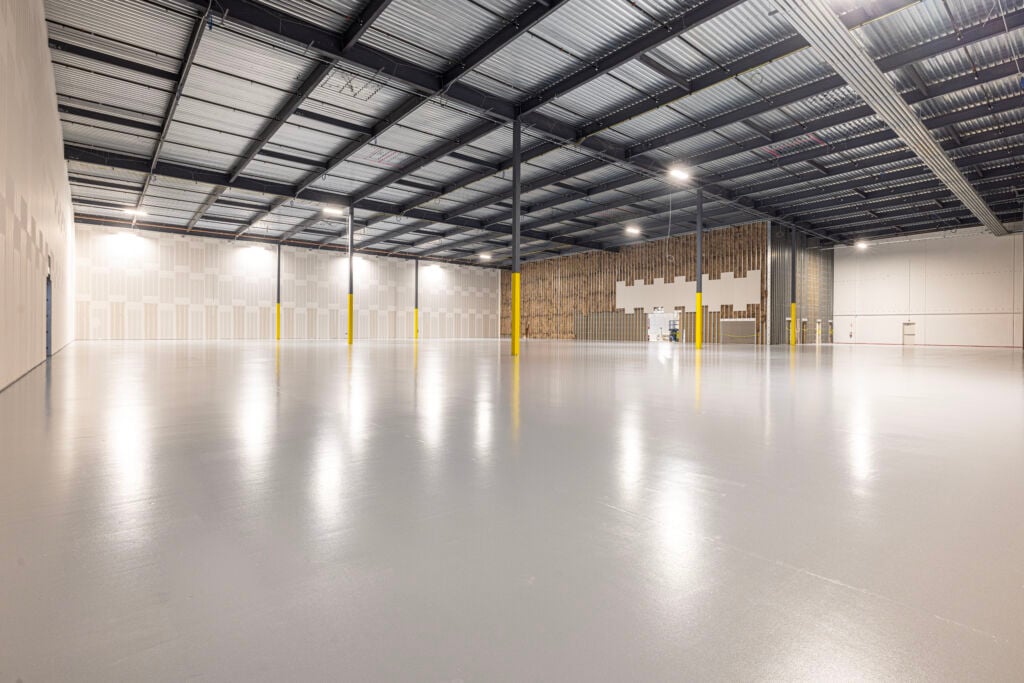
ESD Epoxy Flooring Case Study: 34,000 SF Dallas, TX
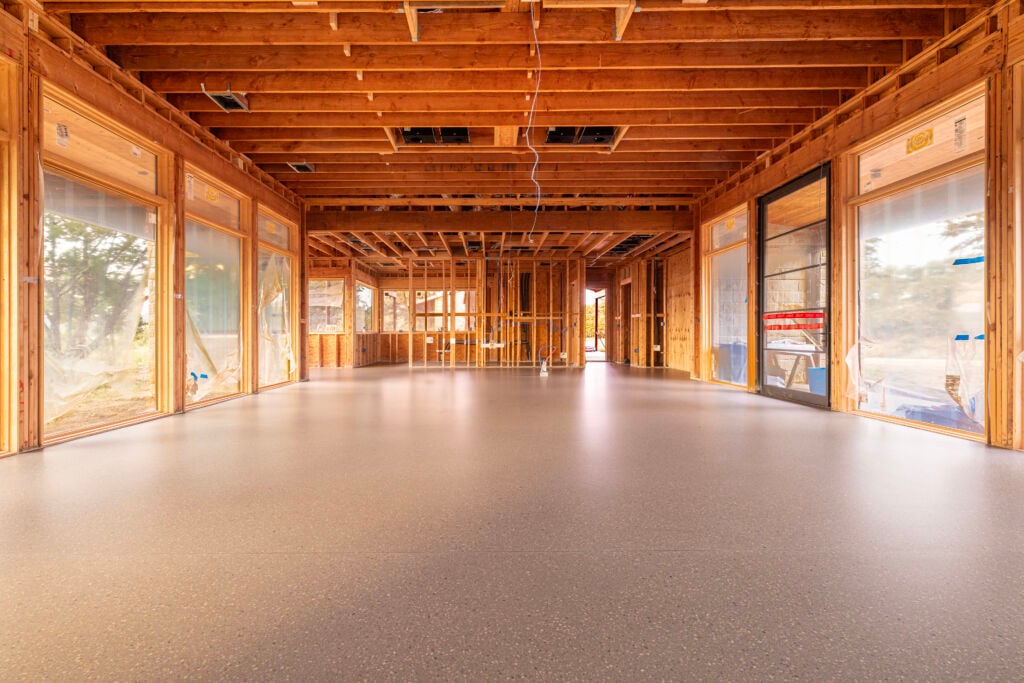
Residential Terrazzo Floors in Fort Worth, Texas