- Founded in 1999 • National commercial & industrial specialty flooring contractor
- Systems: Sika Ucrete & Sherwin-Williams High Performance Flooring Poly-Crete and Hybri-Flex urethane cement systems
- In-house W-2 crews provide national service coverage
- Single-contract multi-site programs under a Master Service Agreement
- Phased installation in occupied facilities — night and weekend shutdown-window execution
- Experience Modification Rate (EMR) below the industry average
- Authorized Sherwin-Williams High Performance Flooring installer; Sika installer; Westcoat certified
- Pre-install moisture and substrate testing & audit-ready closeout documentation
- Facility assessments, compliance inspections & lifecycle maintenance programs
- Licensed • Insured • Bonded • Enterprise vendor prequalification package available (COI, W-9, capabilities statement & supporting documentation)
- Wet DCOF criterion: ANSI A326.3 — 0.42 minimum for level interior floors walked on when wet; 0.50 interior wet plus; 0.55 exterior wet, oils & greases
- Legacy metrics: ASTM D-2047 SCOF (dry, polish-coated scope) & ASTM C1028 (withdrawn 2014) — no conversion to wet DCOF exists
- Finish verification: Texture specified to the zone’s use category, confirmed by sample panel & documented in closeout
Phone: +1 (844) 687-1961
SCOF, static coefficient of friction, is the horizontal force needed to start a stationary shoe sliding, expressed as a fraction of the force pressing it down. DCOF, dynamic coefficient of friction, measures the resistance a floor offers once that shoe is already moving — the condition an actual slip happens in. Current practice runs on the dynamic number: ANSI A326.3 sets a wet DCOF of 0.42 as the minimum for level interior floors that get walked on wet. The two slip coefficients come from different instruments and different decades. No arithmetic converts one into the other. A flooring specification that still reads SCOF 0.6 is citing a level whose test method was written for polish-coated floors and whose advisory basis was withdrawn in 2004.
On industrial floors these numbers decide finish texture. Food processing plants, commercial kitchens, breweries, and washdown corridors run wet by design, so their floors are specified to the wet categories of ANSI A326.3 and finished with broadcast aggregate that holds the measured value above the target. Urethane cement carries that texture integrally; the aggregate sits in the mortar body rather than in a topical coating that wears off. How a urethane cement system is built to hit those targets, from aggregate selection to zoning by duty, is covered on our slip resistant flooring page.
Our Clients




















What SCOF and DCOF Actually Measure
ASTM D-2047 Measures Static Friction, Dry, on Polish-Coated Floors
ASTM D-2047 runs on the James Machine, a laboratory instrument that presses a leather sensor onto the surface and records the force at which sliding begins. The method is written for polish-coated flooring surfaces. It runs dry only. Its 0.5 compliance level comes from the floor-polish industry, built on decades of James Machine data on polished floors, dating to 1942. None of that scope covers a resinous industrial floor under washdown, so a bare SCOF number says nothing about wet performance.
ANSI A326.3, the Wet Dynamic Test That Governs Today
Wet testing under ANSI A326.3 draws an SBR rubber sensor across a floor wetted with 0.05 percent sodium lauryl sulfate solution, using the BOT-3000E tribometer, to simulate a heel already in motion on a wet surface. The Tile Council of North America develops and publishes the standard. Its 2017 edition set 0.42 wet DCOF as the minimum for level interior floors expected to be walked on when wet, and the revision issued in February 2022 replaced that single number with duty-specific DCOF requirements.
No Conversion Between SCOF and DCOF Exists
No arithmetic relates a SCOF value to a DCOF value, because the two tests measure different physical quantities. A static reading taken with a dry leather sensor has no defined relationship to a dynamic reading taken with a wet rubber one, and any chart offering to translate 0.6 SCOF into a DCOF equivalent is invented. A legacy static line gets re-specified under the current standard.
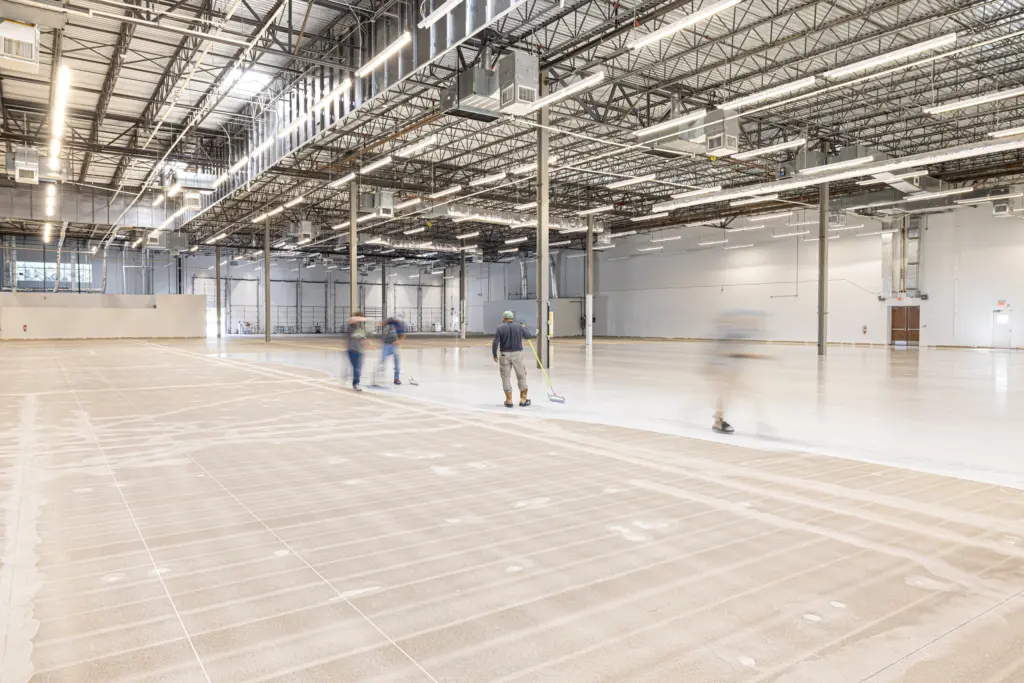
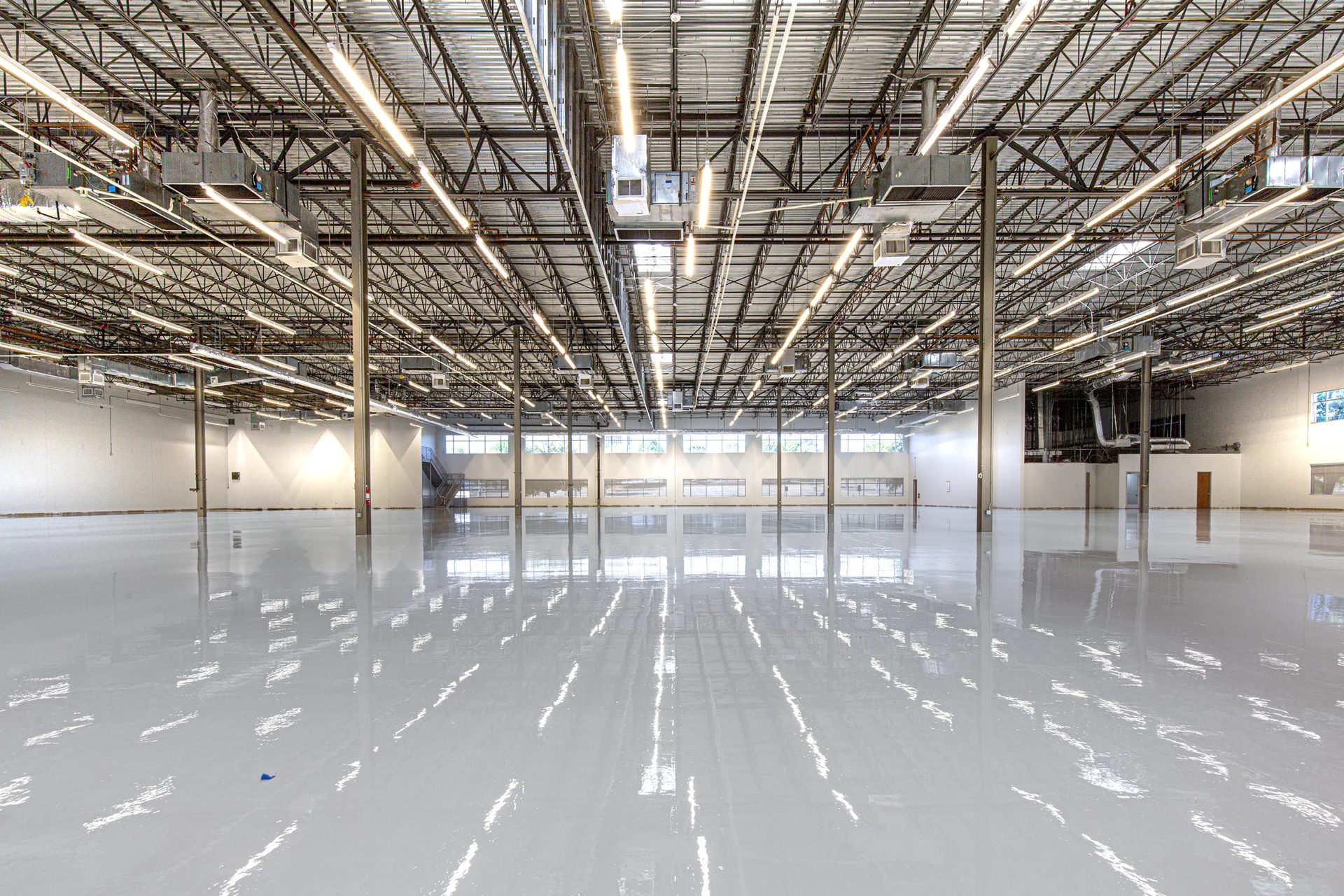
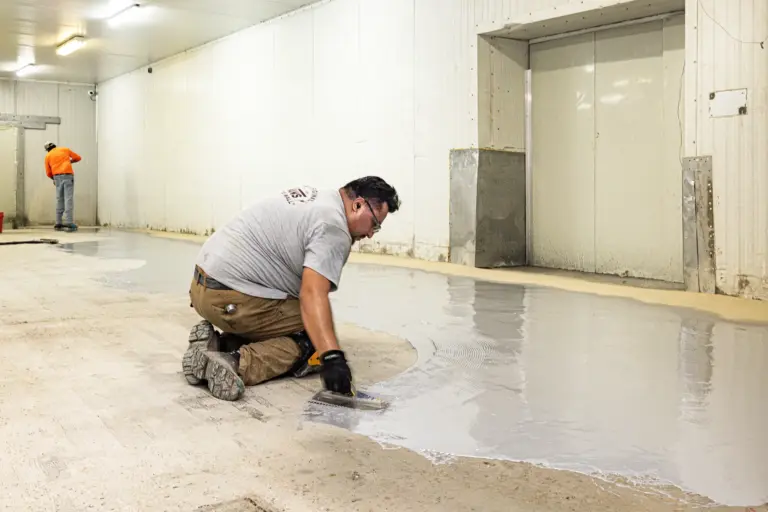
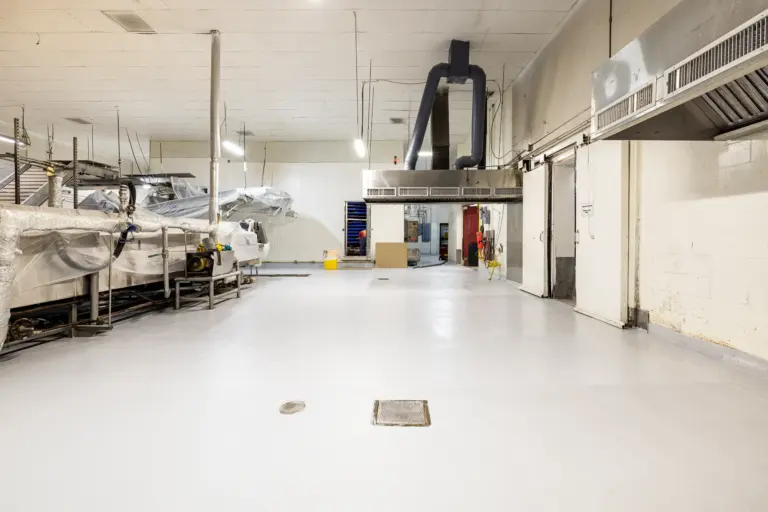
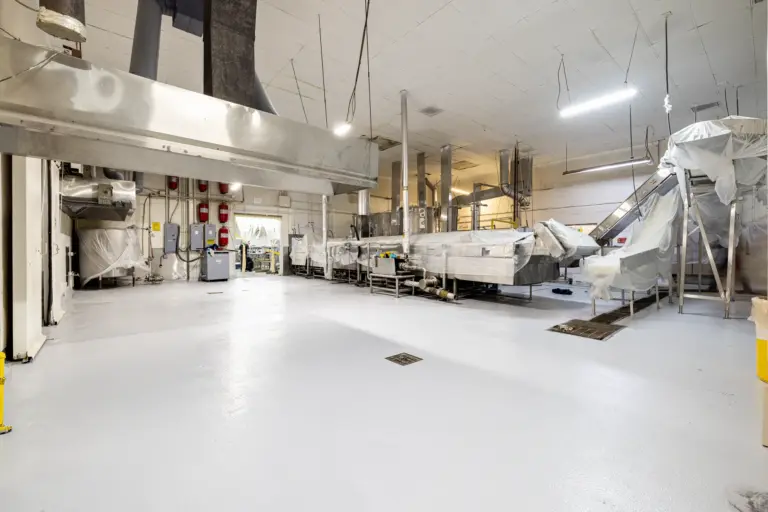
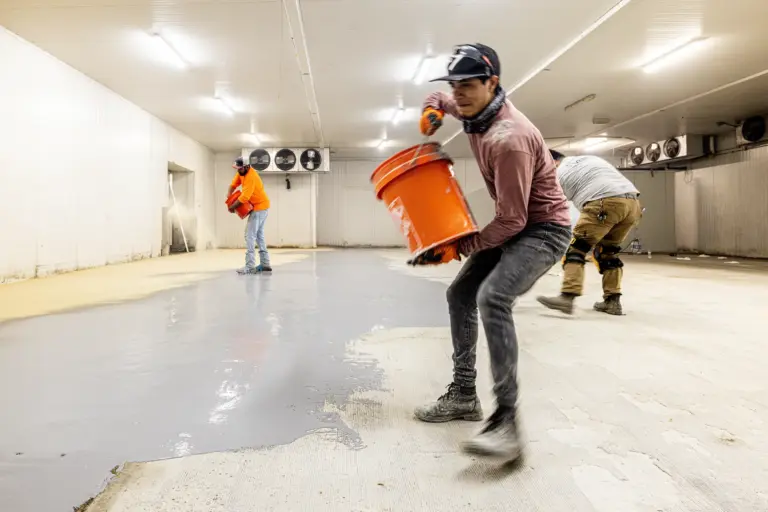
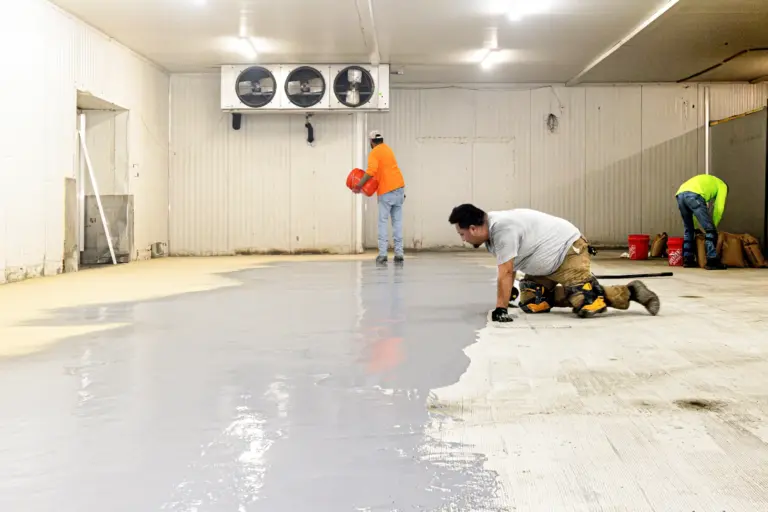
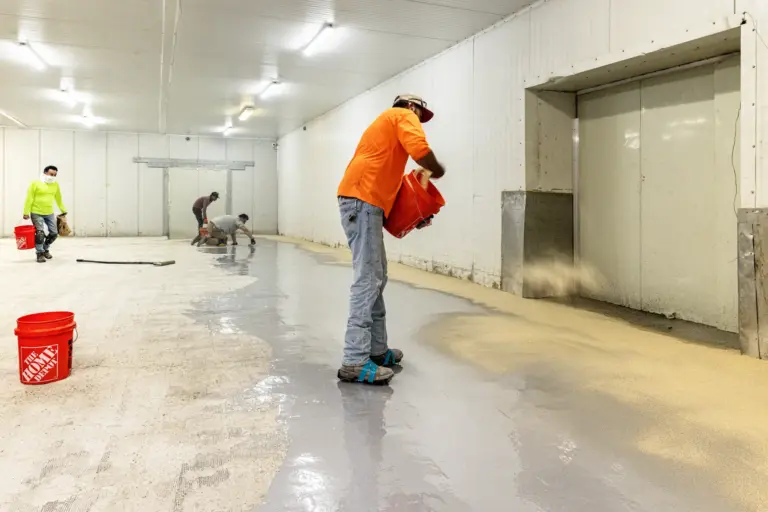
urethane Cement Installation Gallery
Request a Proposal
Submit project parameters for preliminary analysis. Commercial estimates typically returned within 24 hours.
Where the Slip Numbers Come From
The Legacy SCOF Levels, 0.5 and 0.6, Were Never Regulations
The SCOF levels quoted in older specifications trace to advisory sources. The 0.5 is the polish industry’s D-2047 compliance level. The 0.6 traces to 1991 ADA accessibility guidelines whose Appendix A4.5 recommended, but never required, 0.6 SCOF for accessible routes, and that advisory guidance was withdrawn in 2004. ASTM C1028, the pull-meter static test older specs typically cited for hard flooring, was withdrawn by ASTM in 2014 without replacement after producing high readings on floors that were slippery when wet.
How 0.42 Wet DCOF Became the Governing Criterion
US practice adopted the wet DCOF criterion through ceramic tile. In 2012, ANSI A137.1, the Tile Council of North America’s tile standard, adopted the DCOF AcuTest with its 0.42 wet minimum, and the 2012 International Building Code picked the criterion up by requiring ceramic tile to conform to A137.1 in Section 2103.6. The NFSI B101 series had introduced wet friction testing in the same era. In 2017 the test was published as ANSI A326.3, a standalone method for hard surface flooring materials and the reference an industrial floor is specified against today.
February 2022 Use Categories Set Targets by Duty
ANSI A326.3-2021, issued February 2022, grades the wet DCOF target by exposure. The categories run interior dry at 0.42, interior wet at 0.42, interior wet plus at 0.50, and exterior wet and oils and greases each at 0.55. The oils and greases category is the one industrial specifiers miss; a processing floor with grease exposure now carries a written 0.55 target rather than 0.42. The standard also states its own limit. A passing value provides a useful comparison of surfaces and does not predict whether a person will slip.
Specifying to a Wet DCOF Target on Urethane Cement
A Threshold Is an Acceptance Criterion, Not a Product Spec
The 0.42 in ANSI A326.3 is a pass line. No product ships with it as a built-in property. Correct spec language reads texture specified to meet ANSI A326.3 interior wet, confirmed by sample panel, rather than DCOF 0.42 stated as if it were a product constant. Manufacturers publish tested values only where they ran the test, and a value measured on one finish does not carry to another.
Broadcast Texture Raises the Measured Value
Aggregate peaks penetrate the water film the wet test lays down, so the sensor engages solid material instead of sliding on a lubricated plane. That is the whole mechanism. Texture, not chemistry, is the lever on a wet DCOF target. In urethane cement the texture is integral; silica or aluminum oxide aggregate is broadcast into the wet body coat and locked under the topcoat, so the profile that produced the passing number is the wearing surface. Slip-resistant grades run across both installed brands, Sherwin-Williams Poly-Crete SLB and Poly-Crete MDB on the broadcast side and Sika Ucrete UD 200 SR in the heavy-duty trowel line, while smooth self-levelers stay in dry zones.
Re-Scoping a Legacy Slip Spec During Estimating
A bid document carrying an old SCOF line gets translated during estimating, so contract language reads in current ANSI A326.3 terms before material is ordered. Craftsman prices the use category each zone actually needs, confirms texture against it with sample panels, and phases the installation around production where the facility stays live. Pre-install moisture and substrate testing rides in the same estimating file, and the closeout package documents the use classification each zone was finished to. In-house W-2 crews provide national service coverage. Craftsman has installed industrial floors since 1999 and works as a Sika Certified + Authorized Sherwin-Williams High Performance Flooring installer.
Knowledge Center
Resource links
Technical Performance
Selection & Standards
Industries Served
Sherwin-Williams Poly-Crete Systems
Sika Ucrete Systems
Cost, Comparisons & Legacy Names
Frequently Asked Questions
SCOF is static coefficient of friction, the force needed to start a stationary shoe sliding, historically measured dry on the James Machine under ASTM D-2047. DCOF is dynamic coefficient of friction, the resistance a floor offers once motion is underway, measured wet under ANSI A326.3 with an SBR sensor and sodium lauryl sulfate solution. Slips are dynamic events, which is why current practice specifies DCOF.
No. The two methods measure different physical quantities on different instruments under different surface conditions, and no arithmetic relationship connects their values. A legacy SCOF requirement is re-specified to an ANSI A326.3 use category rather than translated.
ANSI A326.3 sets 0.42 wet DCOF as the minimum for level interior floors expected to be walked on when wet. The 2021 revision, issued February 2022, adds category minimums above it, 0.50 for interior wet plus areas and 0.55 where oils and greases are present or the floor is exterior. A specification should name a use category rather than a single memorized number.
The Tile Council of North America develops and publishes ANSI A326.3, the American National Standard test method for measuring dynamic coefficient of friction of hard surface flooring materials. It began as the DCOF AcuTest in the tile standard ANSI A137.1 in 2012 and became a standalone method covering hard surface flooring in 2017.
A 0.6 static requirement traces to 1991 ADA accessibility guidance that recommended, never required, that value, and the advisory language was withdrawn in 2004. ASTM C1028, the tile SCOF method those specs cited, was withdrawn in 2014 without replacement. The working fix is to re-scope the line to the ANSI A326.3 use category the zone actually needs.
Yes, texture is the primary lever on the measured value. Broadcast aggregate puts peaks through the water film the test lays down, so the sensor grips solid material rather than a lubricated plane, and the finish measures higher wet DCOF than the same chemistry finished smooth. Which aggregate and how much belongs to system selection, covered on our slip resistant flooring page.
No standard makes that promise, and ANSI A326.3 says so explicitly. A passing DCOF value provides a useful comparison of surfaces but does not predict whether a person will slip, because housekeeping, footwear, contaminants, and drainage all sit outside the test. Specifications pair the DCOF category with maintenance and documentation requirements instead of treating the number as a safety guarantee.
Blog
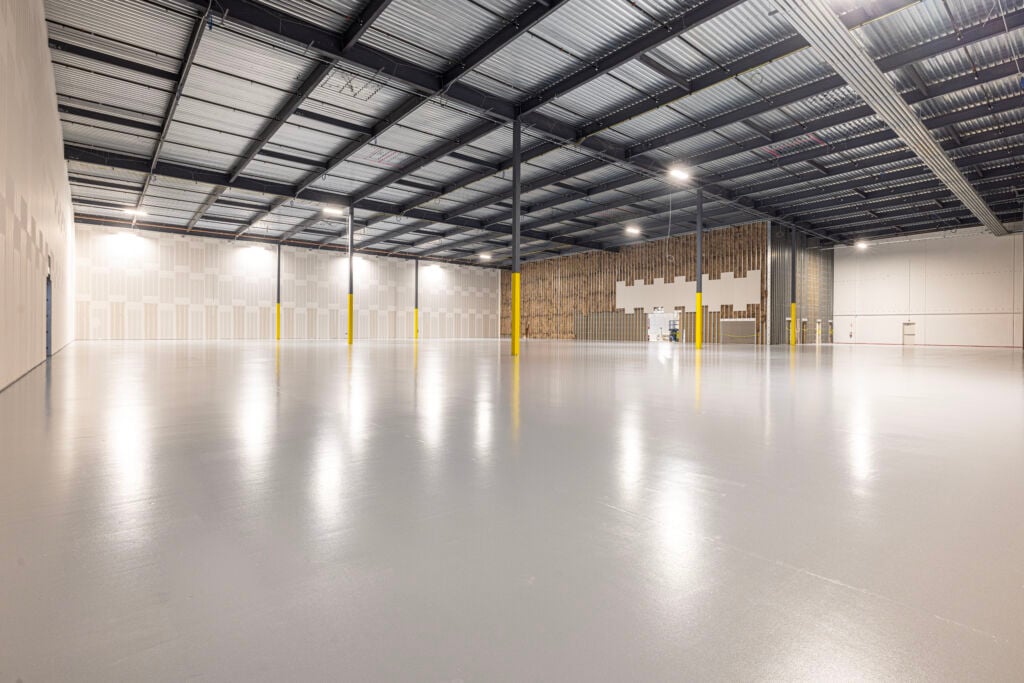
ESD Epoxy Flooring Case Study: 34,000 SF Dallas, TX
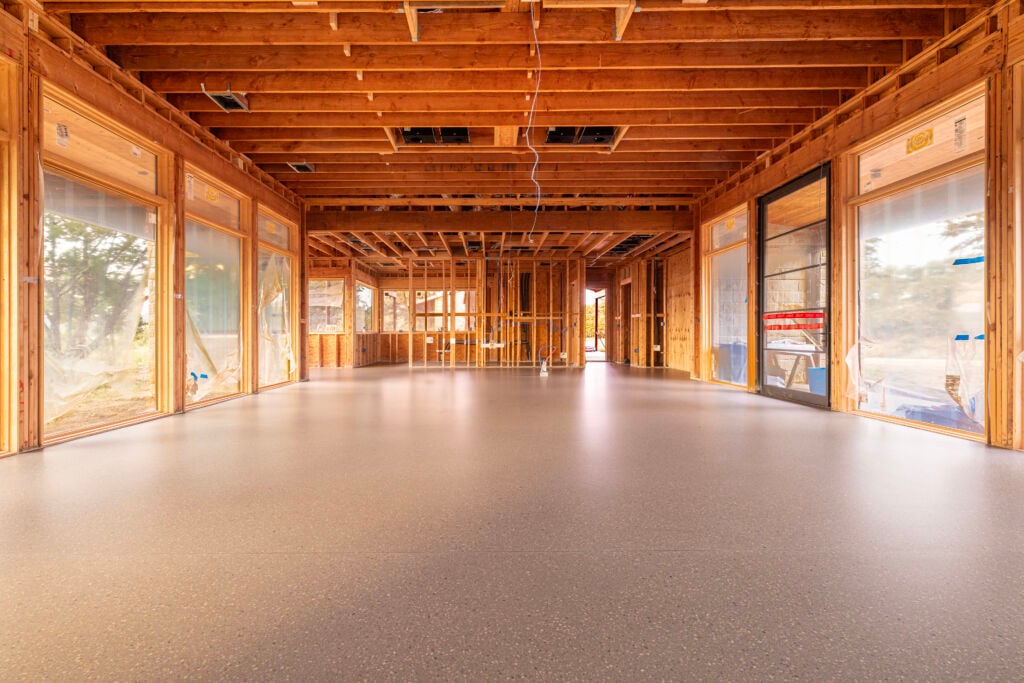
Residential Terrazzo Floors in Fort Worth, Texas