What can we help you with?
Technical flooring, delivered directly
- ESD flooring, urethane cement, terrazzo, and polished concrete
- In-house W-2 installation crews and experienced field leadership
- National service coverage with project-specific staffing plans
- Testing, documentation, and defined project closeout
- Dedicated support for corporate procurement and multi-site contracting
Phone: +1 (844) 687-1961
Flooring for sanctuaries and shared spaces
Craftsman Concrete Floors installs concrete flooring for churches and worship facilities with in-house W-2 crews. We plan preparation and installation around services, congregation access, furniture moves and the church’s event calendar.
Commercial polished concrete installation can suit new construction and renovation where the slab, appearance and room use support it. Craftsman evaluates the concrete and installs an onsite mockup before full installation.
A sanctuary’s acoustic and design priorities differ from a fellowship hall’s food spills and furniture movement. We review each area separately.
| Church area | Flooring considerations |
|---|---|
| Sanctuary | Worship-space design, congregation traffic, aisles, pews or chairs and acoustic requirements |
| Narthex and entrances | Tracked-in soil and water, circulation, appearance and cleaning |
| Fellowship hall | Tables and chairs, food and drink spills, cleanup and regular use |
| Classrooms and ancillary rooms | Room use, furniture movement, traffic and cleaning |
Polished concrete remains porous. Spills can stain it, and acidic foods or drinks can etch the surface. Craftsman considers those exposures when recommending fellowship-hall flooring.
At entrances and other areas exposed to water or tracked-in debris, we review surface texture and cleaning requirements alongside the desired appearance.
Appearance and finish approval
Craftsman coordinates aggregate exposure, sheen and color with the church’s interior design. Existing concrete limits the appearance that can be achieved. New construction allows the concrete mix, placement and finishing to be coordinated before the pour.
The approval mockup
An onsite mockup establishes the approved finish, including representative repairs and natural variation.
Cracks, joints and repairs
Cracks, joints, sawcuts and repairs may remain visible. Repair materials can reduce contrast, but an exact color match is not guaranteed.
Sanctuary flooring and acoustics
Acoustic requirements
Craftsman coordinates sanctuary flooring choices with the project’s acoustic requirements. Clear speech, congregational singing, organ and choir music, and amplified sound place different demands on the room.
Reviewing the finish with the design team
A hard, reflective floor can affect reverberation, but the result depends on the entire space. We review the proposed finish with the design team and acoustical consultant, where engaged, alongside the other room surfaces. The goal is a floor that supports the sanctuary’s acoustic design.
New church construction
For new construction, Craftsman coordinates the polished finish with the concrete contractor and project design team. Mix, placement, curing, joints and crack-control details need to be considered before the slab is poured.
Curing and joint layout
Good curing does not replace the joint and reinforcement design. Because joints and sawcuts remain visible, their layout should be considered alongside sanctuary aisles, seating and other design features.
Specification and builder guide
Our polished concrete specification and builder coordination guide covers the technical planning.
Replacing carpet, tile or coatings
Craftsman reviews existing coverings, adhesives, contamination, cracks and previous repairs before planning removal. Once the concrete is exposed, we assess its condition and confirm the preparation and proposed finish.
Old outlines and repairs
Old covering outlines, discoloration and repairs can remain visible after polishing. The mockup establishes what the slab can achieve before the church approves full installation.
Proposal scope
The proposal identifies removal, repairs, joint treatment, edges and transitions.
Installation around services and events
Craftsman coordinates work zones, pew and furniture moves, congregation routes and room closures with church staff. We identify the spaces that must remain available for worship, fellowship gatherings and other scheduled events.
Phased installation
Where the layout and selected flooring system permit, installation can proceed in phases while other rooms remain in use. Each phase must allow for preparation, installation, applicable curing, inspection or specified testing, and cleanup before reopening.
Dust control and housekeeping
Dust controls, barriers, ventilation and housekeeping are selected for the work and adjacent building use.
Records and closeout
Required installation records, applicable test reports, warranties and maintenance instructions are established before work begins and delivered through Craftsman’s flooring closeout documentation.
Cleaning and worn church floors
Care instructions
Craftsman provides care instructions for the installed finish as part of closeout documentation. Cleaning products, equipment and frequency should follow those instructions and reflect how each room is used.
Cleaning frequency
Busy entrances and fellowship halls may need more frequent cleaning than rooms used only for weekly services. Our polished concrete cleaning guide explains routine care for polished areas.
Worn floors and repolishing
If aisles, entrances or shared spaces remain dull or show wear after routine cleaning, contact Craftsman. We assess the floor before recommending a cleaning adjustment, maintenance, repairs or repolishing.
Other facility types
For other facility types on the property, see our commercial flooring applications.
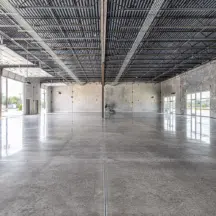
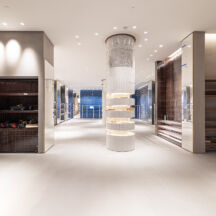
Project Gallery






Frequently Asked Questions
Not necessarily. A reflective floor can change reverberation, but the result depends on the whole room and its requirements for speech, singing, organ and amplified sound. The flooring should be considered with the other finishes as part of the sanctuary’s acoustic design.
Where the building layout and work permit, Craftsman can phase installation while other rooms remain available. We coordinate closures, congregation routes and reopening requirements with church staff before work begins.
It can, depending on the slab’s condition and the appearance you want. Old adhesive marks, cracks and repairs may remain visible after removal. Craftsman evaluates the exposed concrete and uses an onsite mockup to establish the proposed finish.
The polished finish does not remove the slab’s need for an appropriate joint and crack-control design. For new construction, the project design team establishes those details. Craftsman coordinates the finish with that design; curing alone does not make a slab joint-free or crack-free.
No. Densification hardens the concrete surface, but polished concrete remains porous. Spills can stain it, and acidic foods or drinks can etch it. Craftsman provides cleaning and maintenance instructions for the installed finish.
Blog
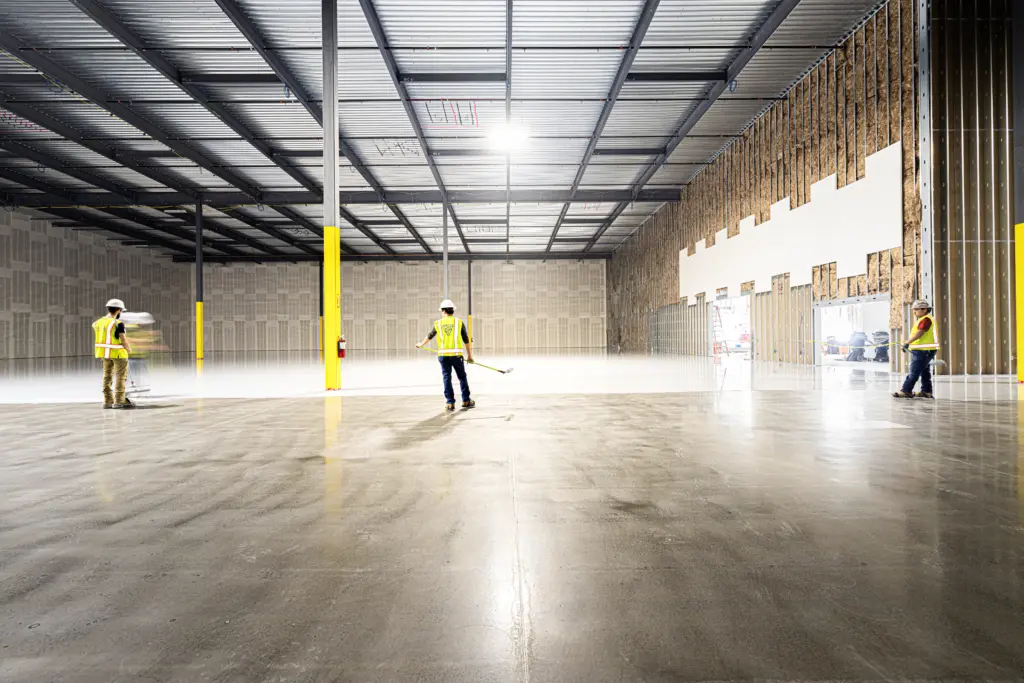
Craftsman Publishes 2026–2027 ESD Flooring Technical Guide
ESD Epoxy Flooring Case Study: 34,000 SF Dallas, TX