What can we help you with?
Technical flooring, delivered directly
- ESD flooring, urethane cement, terrazzo, and polished concrete
- In-house W-2 installation crews and experienced field leadership
- National service coverage with project-specific staffing plans
- Testing, documentation, and defined project closeout
- Dedicated support for corporate procurement and multi-site contracting
Phone: +1 (844) 687-1961
Automotive Flooring by Area
Craftsman Concrete Floors installs polished concrete and resinous flooring for automotive showrooms, repair shops and dealerships with in-house W-2 crews. We select the flooring by area, coordinating showroom appearance with the chemical exposure, vehicle traffic and cleaning requirements of service bays.
| Area | What determines the flooring choice |
|---|---|
| Showrooms and customer areas | Appearance, foot and vehicle traffic, slab condition, aggregate exposure, sheen and color |
| Service bays and repair areas | Oils, fuels, brake fluid, degreasers, vehicle traffic and existing contamination |
| Wash and detail areas | Water exposure, drainage, surface texture and cleaning methods |
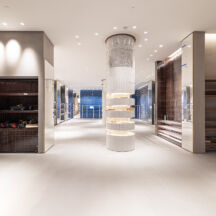
Showroom flooring and design
Commercial polished concrete installation turns the slab into the finished floor through grinding, densification and polishing. Craftsman evaluates existing concrete for showroom renovations and coordinates new floors with the construction team.
Appearance, existing slabs and new construction
We review aggregate exposure, sheen and color alongside the showroom’s lighting and design. Existing concrete, repairs and previous coverings affect the finished appearance. For new construction, early coordination with the concrete contractor helps align the mix, placement and finishing with the intended result.
Samples and appearance approval
Craftsman uses a project sample or representative onsite mockup to establish the approved appearance. It shows the selected finish, natural variation and representative repairs where present.
We can discuss colors, logos and graphics available for the selected flooring system.
Oil staining and acidic spills are considered when selecting the showroom finish.
Service-bay flooring
Craftsman selects epoxy and other resinous flooring systems for service bays according to the shop’s fluids, traffic and cleaning routine. Provide the oils, fuels, brake fluids, degreasers and other cleaning products used in each area, including their concentrations, temperatures and likely contact times.
Chemical resistance
We check the proposed system against those exposures. Chemical resistance varies by product, and resistance to physical damage does not necessarily mean the finish will retain its original color or gloss.
Preparation and contaminated concrete
Existing coatings, oil and grease contamination, cracks, repairs, joints, drains and transitions affect preparation and price. Craftsman assesses these conditions before defining coating removal, mechanical preparation and repairs.
Contaminants that interfere with bonding must be removed. Preparation follows the selected system’s requirements, including treatment of joints, edges and transitions between the showroom and service bays.
Additional work discovered during removal is documented, with changes to scope, cost and schedule resolved before installation continues.
Wash areas, surface texture and traction
Wash and detail areas
Wash and detail areas need separate consideration of drainage, water exposure and cleaning. They may require a different flooring system or texture from adjacent service bays.
Surface texture and traction
Craftsman selects texture according to wet conditions, likely spills, footwear and cleaning equipment. The finish must support both traction and effective cleaning; a slip-resistant additive alone does not establish that it suits the area.
Installation around an operating shop
Craftsman can phase installation around operating bays where the layout and selected system permit. We coordinate bay closures, vehicle routes, work boundaries and the sequence for reopening completed areas.
Closure windows
Each closure includes preparation, installation, curing, inspection or specified testing, and cleanup. Nights, weekends or planned shutdowns must allow enough time for the floor to accept its intended vehicle traffic.
Testing and closeout records
Required testing, acceptance records and maintenance instructions are established before work begins and provided through our flooring closeout process.
Maintenance and worn floors
Routine care
Follow the care instructions Craftsman provides in the closeout documentation. Cleaning products and equipment must suit the installed finish, with cleaning frequency adjusted for vehicle traffic, tracked-in soil and spills.
Our polished concrete cleaning guide covers routine care for polished areas.
Worn or stained floors
If the floor has persistent oil staining, worn traffic routes or marks that routine cleaning no longer removes, contact Craftsman. We assess the finish and cleaning program before recommending maintenance, repairs or refinishing.
Facilities with other uses
For facilities combining automotive work with other uses, see our commercial flooring applications.
Project Gallery



Frequently Asked Questions
Sometimes. Craftsman reviews each area separately because service bays face different fluids, cleaning products and operating conditions from the showroom. We select the finish for those conditions and coordinate transitions between systems.
It depends on the product and exposure. Craftsman checks the proposed system against the shop’s chemicals, concentrations, temperatures and contact times. An epoxy floor should not be assumed resistant to every automotive fluid.
Yes. Motor oil can discolor polished concrete, and acidic spills can etch it. Craftsman considers spill exposure when recommending the finish and provides care instructions for the installed floor.
Where the layout and work permit, we can phase installation while other bays remain operational. The plan identifies closed areas, vehicle routes and the requirements for reopening each completed section.
Blog
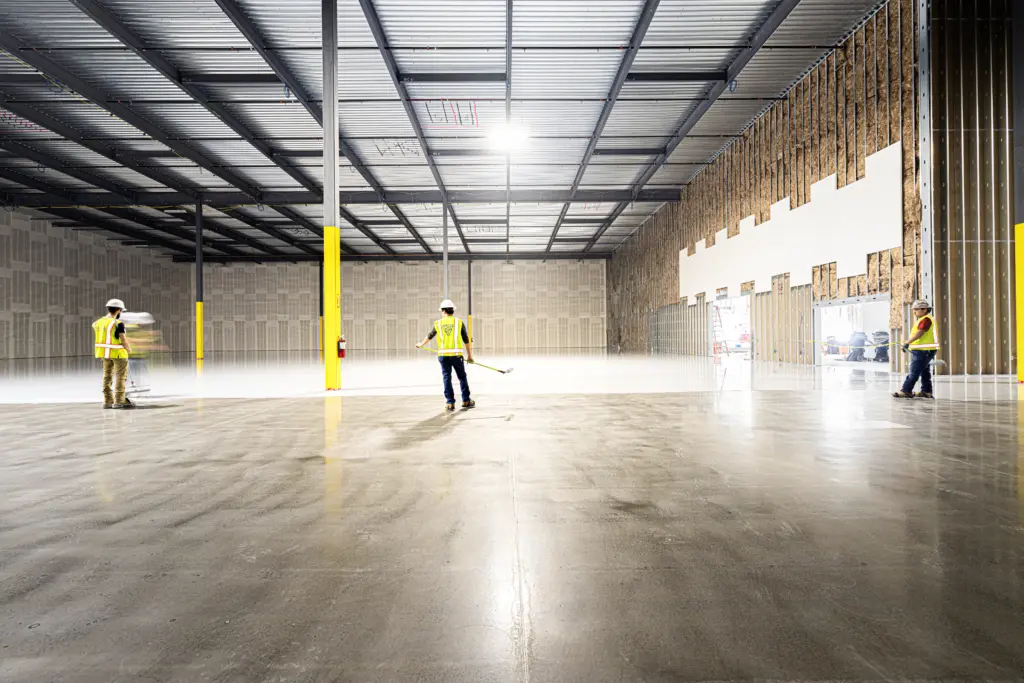
Craftsman Publishes 2026–2027 ESD Flooring Technical Guide
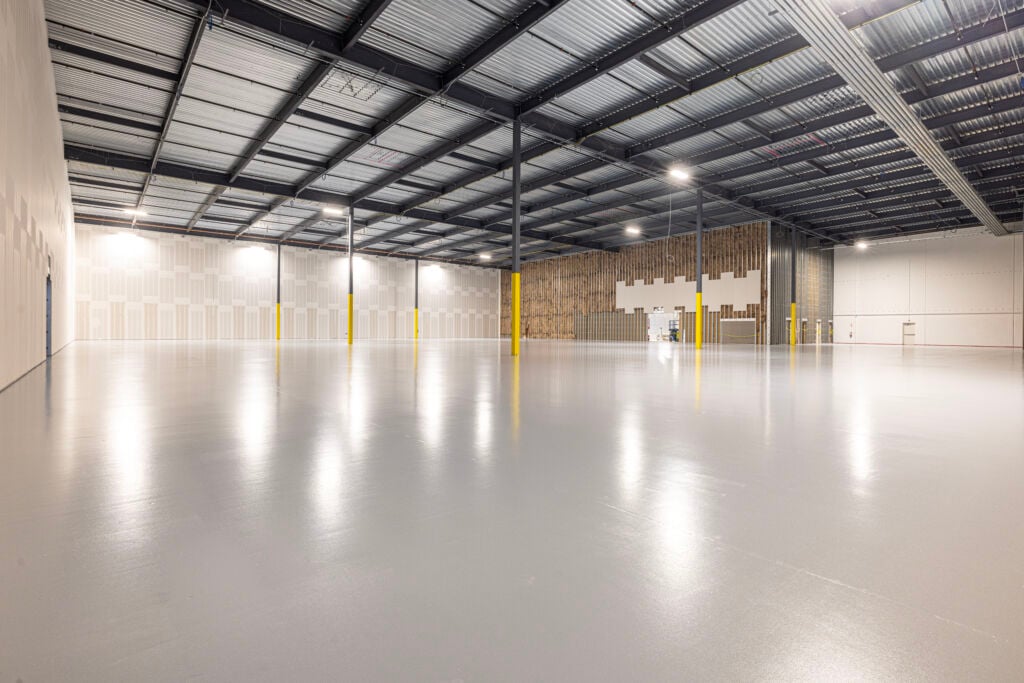
ESD Epoxy Flooring Case Study: 34,000 SF Dallas, TX