What can we help you with?
Technical flooring, delivered directly
- ESD flooring, urethane cement, terrazzo, and polished concrete
- In-house W-2 installation crews and experienced field leadership
- National service coverage with project-specific staffing plans
- Testing, documentation, and defined project closeout
- Dedicated support for corporate procurement and multi-site contracting
Phone: +1 (844) 687-1961
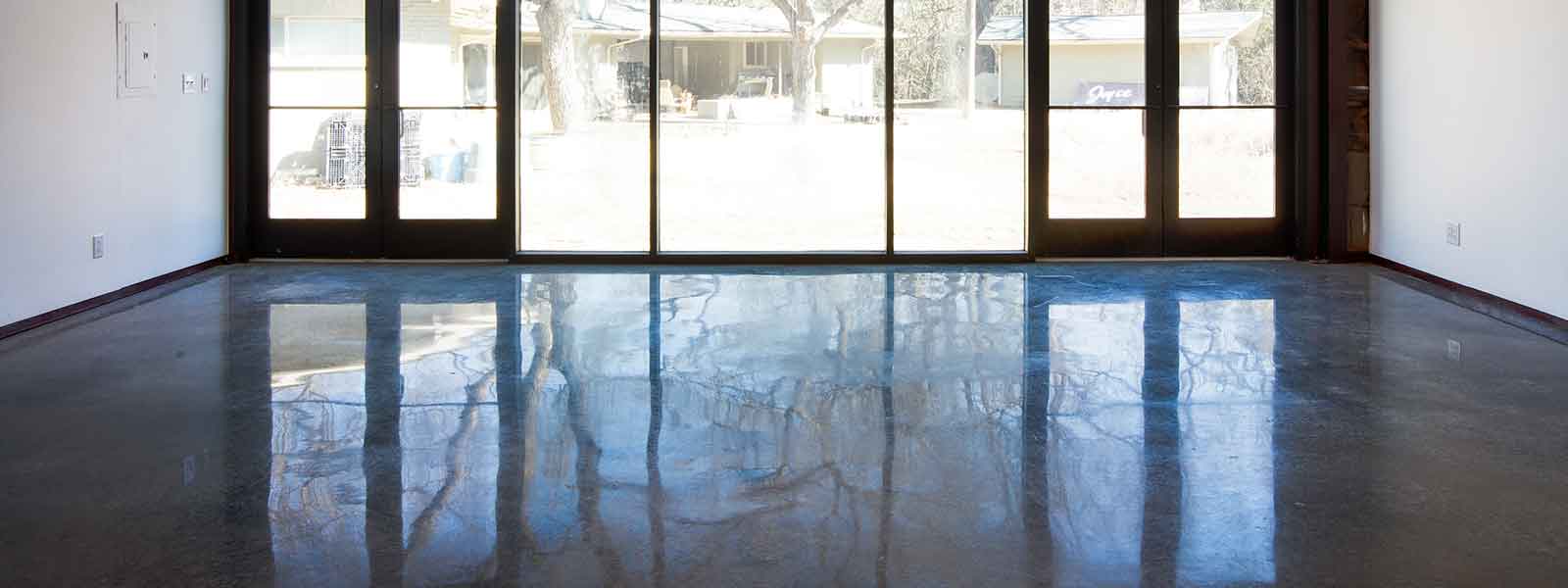
Restore Polished Concrete Shine
Restoring shine to polished concrete starts with identifying whether the dullness is cleaning residue, worn stain guard or damage to the concrete itself. Cleaning may be enough. Other floors need guard renewal, honing or repolishing.
If your polished concrete has dulled in traffic lanes or no longer responds to routine cleaning, contact Craftsman with photographs and any available installation and maintenance records. Include what you use to clean the floor and when the appearance changed.
Why polished concrete loses shine
Tracked-in grit and traffic can wear the surface. Incorrect cleaners, excessive detergent or poor solution recovery can leave a film. Spills can stain or etch the concrete, while protective treatments can wear unevenly in busy areas.
These conditions can look similar. The following observations help identify what needs to be checked before selecting a treatment.
| What you notice | Possible explanation | What to check | Next step |
|---|---|---|---|
| Even dullness or a hazy film | Soil or cleaning residue | Cleaner, dilution, pads and equipment | Compatible cleaning in a small test area |
| Dull traffic lanes that cleaning does not change | Abrasive wear or worn guard | Installed treatment and traffic history | Assess guard renewal or mechanical restoration |
| Dull or rough marks after a spill | Chemical etching, possibly with staining | Spill type, contact time and cleanup | Assess staining and surface damage separately |
| Cracks, spalled joints or failed filler | Physical damage | Repair history and existing materials | Coordinate repairs with the restoration work |
| An unidentified sealer or finish | A topical coating may be present | Product and application records | Identify the finish before selecting treatment |
| A floor that was never highly reflective | An intentional satin or honed finish | Original finish requirements | Compare with the intended appearance |
Appearance alone does not establish the cause. A stain and an etched patch may also occur together: removing discoloration does not necessarily restore the damaged surface.
Identify the Cause Before Treating the Floor
Identify the finish and what changed
Start with the available closeout and maintenance records. Look for the original finish, stain guard, later coatings, repair materials and care instructions.
For a discussion with Craftsman, useful information includes:
- Cleaning products, dilution and equipment currently used.
- Pads, brushes and machine settings.
- Recent changes in cleaning or building use.
- Spill history and previous repairs.
- Photographs of affected and unaffected areas.
Compare the floor with its intended appearance. A satin floor was never meant to have a mirror shine. Gloss readings also need comparable measurement conditions; readings taken before and after protective treatments should not be treated as equivalent. Our guide to gloss, image clarity and haze explains the measurements.
Start with compatible cleaning
Cleaning is intended to remove soil and residue without mechanically refining the concrete. Honing and polishing intentionally alter the concrete surface. Establish how much dullness is removable before considering more aggressive work.
Follow the installed system’s instructions for cleaner, dilution, equipment and test areas. Review the cleaned area after it dries. Improvement can show that soil or residue contributed to the dullness; little improvement does not automatically mean the floor needs grinding.
More cleaner is not necessarily better. Excessive concentration can leave detergent film and dull the finish. Use cleaners, pads and brushes compatible with the installed floor.
When the floor needs more than cleaning
Burnishing or renewing a worn stain guard
Some guarded floors can be refreshed by burnishing. PROSOCO, for example, describes dry, high-speed burnishing for Consolideck floors protected with LSGuard or PolishGuard.
A worn treatment may instead need renewal in traffic lanes or across the floor. The preparation and application requirements depend on the product already installed. Identify the stain guard and its care requirements before choosing that work.
Burnishing a guard is different from removing scratches or etching in the concrete beneath it.
Abrasive maintenance treatments
Some maintenance-pad systems provide an intermediate treatment between routine cleaning and more extensive mechanical restoration.
Their substrate and operating requirements matter. Ameripolish SmartFloor, for example, is intended for concrete without a topical coating, including concrete with penetrating stain protection. It pairs a Daily Maintenance pad with a Restoration pad for stains and lightly worn floors, and its restoration steps run wet.
That process should not be substituted for dry guard burnishing simply because both are sometimes called “buffing.”
Honing and repolishing
Persistent scratches, wear in the concrete and chemical etching may require mechanical surface refinement.
The work should establish the appropriate starting abrasive, extent of treatment and achievable finish. Grinding, honing and polishing are different stages, and not every floor needs the same sequence. More aggressive treatment is not automatically the better choice.
Agree on the intended sheen and any limits concerning aggregate exposure, color and remaining defects before work begins.
Do you need a new sealer?
Not necessarily. Properly polished concrete can be glossy without a topical coating. Dullness alone is not a reason to add another layer.
An existing guard may need renewal, but an unidentified coating should be identified before selecting removal or polishing methods. Stripping is not always necessary.
Within compatible Consolideck systems, PROSOCO permits certain protective treatments to be renewed without stripping the existing treatment. That instruction should not be applied to an unidentified coating or another manufacturer’s system.
Choose protection according to the installed system and expected exposure. A protective treatment does not make the floor acid-proof or eliminate the need to clean spills promptly.
Repairs, Test Areas and Ongoing Care
Coordinate repairs with restoration
Cracks, spalls, failed joint filler and earlier patches need assessment separately from restoring gloss.
Repairs must be coordinated with the abrasive work. Installing them too late can leave differences in sheen or affect protective treatments; aggressive early tooling can also damage some repair materials. The sequence depends on the proposed process and materials.
Even a close color match may remain visible because the repair reflects light differently from the surrounding concrete. Include representative repairs in a mockup on the actual floor before agreeing on the finished appearance.
Approve a test area before the full floor
A representative test area shows what the proposed treatment can achieve. Include worn areas, patches and earlier repairs rather than testing only an undamaged section.
Use the preparation, equipment and procedure proposed for the work. Let the area dry thoroughly before evaluating it, and agree on acceptable differences at repairs.
The work plan should also establish furniture moves, equipment access, protection of adjacent areas, cleanup and product-specific reopening requirements. Those arrangements depend on the selected process and the building’s use.
Keep the restored floor looking good
Follow the installed system’s care instructions and adjust cleaning frequency to traffic, tracked-in soil and spills. Busy entrances and circulation routes may need more attention than lightly used areas.
There is no universal two- or three-year restoration schedule. If the floor no longer meets its original appearance expectations, review its condition and maintenance program before repeating a treatment.
Our polished concrete maintenance guide covers ongoing care.
Project Gallery






Frequently Asked Questions
Yes. Depending on the cause, compatible cleaning, maintenance of an existing guard or mechanical repolishing may restore the appearance without adding a new sealer. Properly polished concrete can be glossy without a topical coating. The installed system and floor condition determine the appropriate work.
Not necessarily. “Buffing” can describe different operations. Dry burnishing can refresh certain guarded floors, while diamond honing and polishing refine the concrete surface. An abrasive maintenance-pad process is another option with its own requirements. Ask which process is being proposed and what it is intended to correct.
Not always. Even a close color match can leave a visible difference in gloss or surface appearance. A mockup of the proposed repairs on the actual floor establishes a realistic result before the work proceeds.
Blog
Craftsman Publishes 2026–2027 ESD Flooring Technical Guide
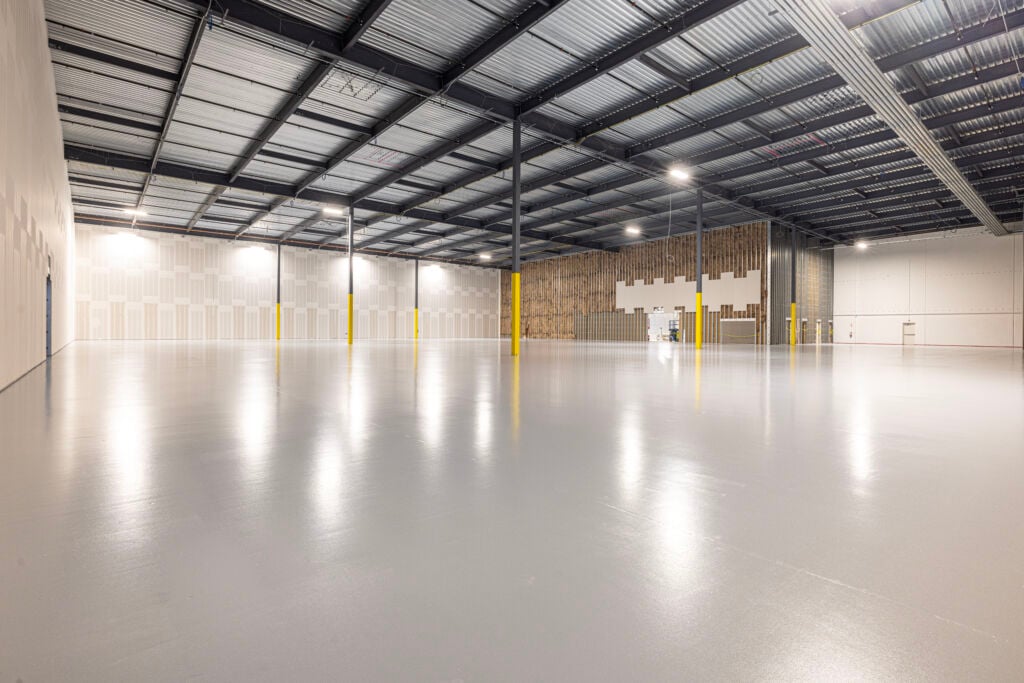
ESD Epoxy Flooring Case Study: 34,000 SF Dallas, TX